


More news on this day
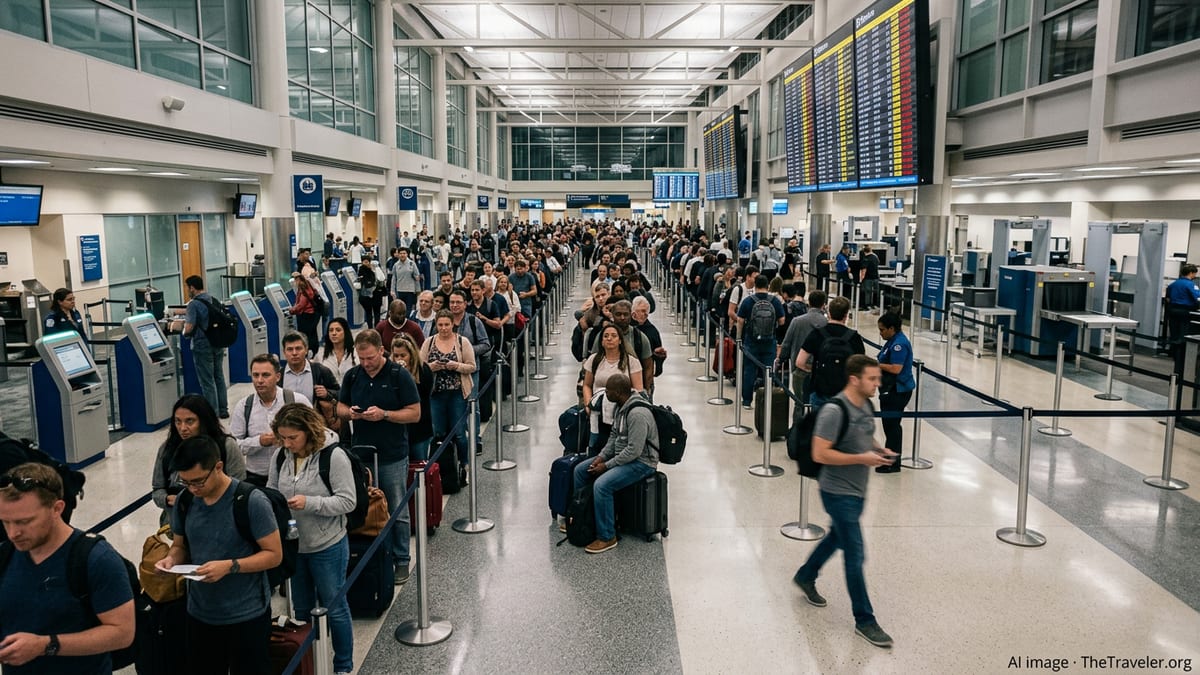
Travelers at Minneapolis–St Paul International Airport faced a difficult travel day as publicly available data showed 97 flight delays and four cancellations affecting services operated by United Airlines, SkyWest, Republic Airways, Delta Air Lines and several other carriers, disrupting connections to major U.S. destinations including Houston, Chicago, Nashville, Baltimore and Washington.
Get the latest news straight to your inbox!
Ripple Effects Across Major Domestic Routes
The disruption pattern at Minneapolis–St Paul International Airport, reflected in live aviation tracking dashboards and airport-monitoring services, showed delays concentrated on some of the hub’s most heavily used domestic corridors. Flights serving large business and leisure markets such as Houston, Chicago, Nashville, Baltimore and the Washington region were among those affected, leading to missed connections and extended time in the terminal for many passengers.
United Airlines and its regional partners, including SkyWest and Republic Airways, operate frequent services between Minneapolis and key hubs like Houston George Bush Intercontinental and Chicago O’Hare. Schedule data and route maps indicate that these links are critical for feeding passengers into nationwide and international networks, so disruptions on even a small number of departures can propagate to onward flights later in the day.
Delta Air Lines, which maintains a major hub operation at Minneapolis–St Paul, also featured among the airlines with delayed departures. Because Delta and its regional affiliates connect Minneapolis with cities such as Nashville, Baltimore and Washington, irregular operations in Minnesota may have contributed to delays on both originating and inbound services on those routes, particularly during peak morning and evening banks.
While only a handful of flights were fully cancelled, the volume of delayed departures and arrivals meant many travelers encountered gate changes, rolling departure times and tight connection windows. Travel-industry analysts often note that this pattern tends to create a difficult but still recoverable operating day for airlines and passengers, compared with mass cancellations that usually force widespread rebooking.
Operational Pressures Behind the Disruptions
Publicly available flight-status tools and airport information platforms suggest that the disruption at Minneapolis–St Paul occurred against a backdrop of continued strain on U.S. airline operations. Factors commonly cited in recent coverage of domestic aviation performance include tight schedules at major hubs, limited slack in aircraft and crew availability, and lingering staffing constraints at some regional carriers.
Carriers such as SkyWest and Republic Airways, which operate many flights under major-airline brands, play a central role in linking Minneapolis with mid-sized and large cities across the country. When those regional operations experience delays, it can quickly affect mainline networks as passengers misconnect or aircraft and crews arrive late into their next rotations.
Minneapolis–St Paul International itself has seen periods of runway and airfield maintenance in recent months, according to published infrastructure notices. When sections of the airfield are temporarily unavailable, aircraft movements are funneled onto fewer runways, which can lead to spacing requirements and minor flow-control measures that compound existing schedule pressures during busy periods.
Aviation data platforms tracking the airport’s live status indicated that, despite the disruptions, overall conditions remained manageable, with traffic continuing to move even as departure boards showed a high proportion of flights running behind schedule. Such circumstances often produce uneven experiences, where some travelers depart only slightly late while others encounter far longer waits.
Passenger Experience at the Midwest Hub
Minneapolis–St Paul International is one of the Upper Midwest’s primary connecting hubs, linking smaller communities with large coastal and southern markets. On a day with nearly 100 delays recorded, travelers connecting through the airport were particularly vulnerable to missed onward flights, especially those headed toward congested hubs in places such as Chicago and Houston.
For passengers bound for cities like Nashville, Baltimore and Washington, delays on their initial Minneapolis departure could cascade into rebookings onto later services or entirely different routings. Public travel advisories and airline customer-service guidance commonly recommend that travelers build extra time into their itineraries when weather or operational strain is forecast, but many same-day corporate and leisure itineraries leave little margin.
Social media posts and traveler forums frequently describe the knock-on effects of irregular operations at Minneapolis, including crowded customer-service lines, pressure on same-day standby lists and increased demand for airport food, seating and charging points. While experiences vary by airline and cabin class, such days typically test airport amenities and staffing levels, particularly at peak times.
Airline-scheduling analysts note that, for many travelers, the difference between a minor annoyance and a major disruption comes down to connection times and the availability of alternative flights later in the day. On routes with frequent service, such as Minneapolis to Chicago or Washington, passengers may be re-accommodated more quickly than those headed to smaller or less frequently served destinations.
Broader Context in a Volatile Travel Season
The situation at Minneapolis–St Paul fits into a broader pattern of volatility across U.S. air travel, as documented in recent industry reports and flight-tracking statistics. Major hubs across the country have periodically recorded elevated levels of delays and cancellations, often driven by storms, air-traffic flow restrictions or tightly wound schedules that leave limited room for recovery when something goes wrong.
Coverage focused on disruptions at other major airports over the past several weeks has highlighted how quickly a spike in delayed flights at one hub can reverberate throughout networks, especially when regional operators like SkyWest and Republic are heavily involved. Because these carriers operate under multiple mainline brands, issues in one part of their system can impact passengers flying with different ticketing airlines across the United States.
For travelers planning upcoming trips through Minneapolis–St Paul, travel experts routinely advise monitoring flight status closely on the day of departure, enabling alerts in airline apps, and considering earlier departures when making critical connections. Such steps, while not eliminating the risk of disruption, can provide additional options if delays mount.
Industry observers also point out that the challenges seen at Minneapolis and other hubs underscore the importance of continued investments in airport infrastructure, air-traffic control modernization and staffing resilience across airlines and their regional partners. As demand for air travel remains strong, days in which dozens of flights run late at a single airport highlight how sensitive complex aviation networks are to even modest strain.