


More news on this day
Thick early-morning fog around Auckland Airport has led to a series of delays and cancellations across the domestic network, disrupting travel plans for regional passengers while most major trunk and international services continue to operate.
Get the latest news straight to your inbox!
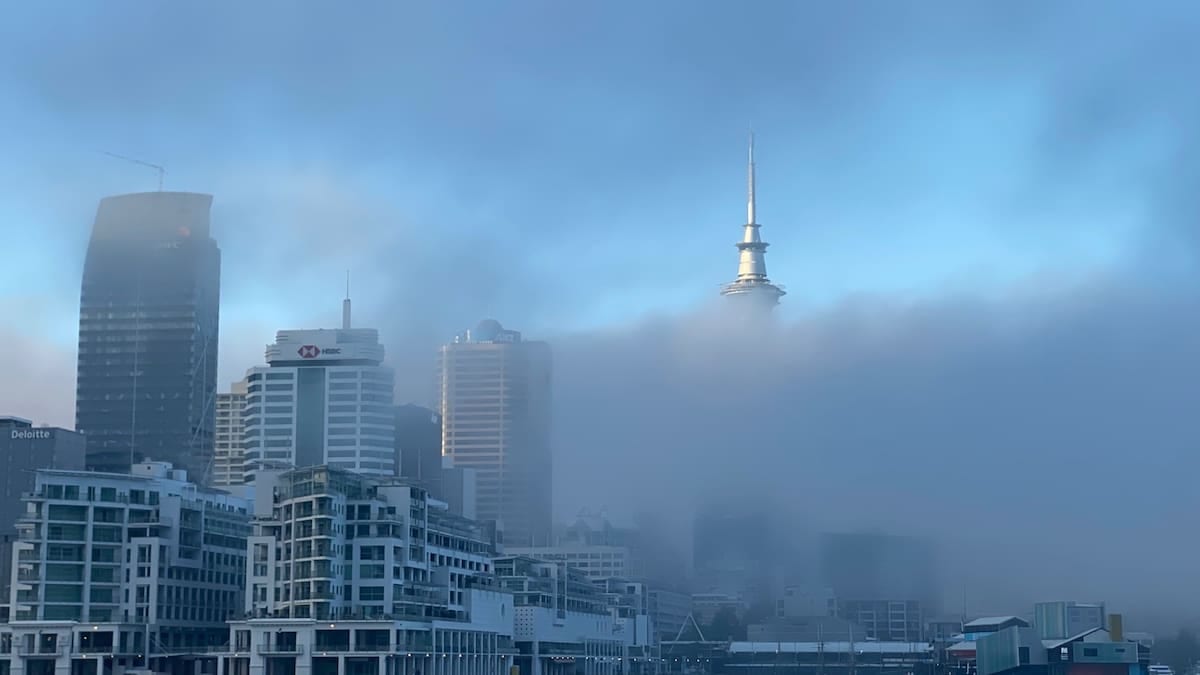
Low Visibility Triggers Cancellations for Regional Flights
Published coverage from New Zealand outlets indicates that dense fog settling over Auckland Airport in the early morning period resulted in multiple regional domestic flights being delayed or cancelled, particularly those using smaller aircraft on shorter hops into and out of the city. Around mid-morning, reports cited approximately a dozen regional departures and arrivals delayed, with at least seven services cancelled as visibility deteriorated on approach and departure paths.
Publicly available information shows that the impact has fallen most heavily on connections to smaller North Island centres, where turboprop services rely more heavily on clear conditions for safe operations. Flights on the main domestic trunk routes between Auckland and Wellington, Christchurch, Dunedin and Queenstown have largely continued operating, reflecting the different aircraft types and navigation equipment involved on those sectors.
International schedules appear to have been less affected, with long-haul and trans-Tasman services operating close to schedule once conditions allowed, according to airline and airport flight boards. Aviation guidance notes that larger jets equipped with advanced instrument landing systems can often continue operating in reduced visibility, provided minimum thresholds for safety are met.
The episode illustrates how a relatively localized weather event at Auckland can quickly ripple through New Zealand’s domestic network, as aircraft and crews scheduled for later routes are held on the ground or forced to divert, in turn affecting connections across the country.
Why Fog Causes Disruption at Major Airports
Air traffic management documentation for the Australasian region explains that low cloud and fog can severely impede visibility at and around airports, limiting the number of aircraft that can safely take off and land in any given hour. When conditions fall below prescribed minima for approaches or departures, controllers must reduce runway movements or temporarily suspend them until visibility improves.
Even when a runway technically remains open, air traffic managers are required to increase spacing between arriving and departing aircraft in poor visibility. This reduces overall capacity, leading to a backlog of flights waiting for departure slots or holding in the air. When the holding time becomes excessive or fuel reserves require a diversion, flights may be rerouted to alternative airports such as Wellington or Christchurch.
Auckland’s coastal location and surrounding topography make it susceptible to episodes of radiation and sea fog, particularly in the cooler months. Historical climate records for the wider region show that low-visibility days occur regularly, although not all events lead to large-scale disruption. When fog coincides with peak morning departure waves, however, the capacity constraints are more likely to generate significant knock-on delays.
Industry material notes that airport operators and air navigation providers work closely with meteorological agencies to manage these events, adjusting traffic flows based on updated forecasts and observed visibility. Nevertheless, the inherently changeable nature of fog means conditions can improve or deteriorate quickly, adding uncertainty for both airlines and passengers.
Knock-on Effects Across the Domestic Network
Once early-morning flights are delayed or cancelled out of Auckland, the impact typically spreads through the domestic network for much of the day. Aircraft and crew rosters are built around tight turnarounds, particularly on short regional sectors, so the loss of one or two rotations can cascade into later services if spare aircraft are not available.
Travel reports from recent weather events at Auckland highlight how passengers on connecting itineraries are especially vulnerable. Those arriving from regional centres to connect with international flights may find their domestic sector cancelled, requiring rebooking on later services or, in some cases, an overnight stay if onward long-haul flights are full. Conversely, passengers arriving internationally and transferring to regional destinations can be left waiting many hours for the next available seat once fog has cleared.
Discussion among New Zealand-based travellers also points to the differing levels of weather resilience across airlines and routes. Larger carriers operating a mix of jet and turboprop fleets may be able to prioritise key trunk services during disruption, while smaller operators serving low-frequency routes can struggle to recover quickly from a morning’s worth of cancellations.
These compounding effects mean that even after the fog has lifted and visibility returns to normal, delays can persist into the afternoon as airlines work through backlogs, reposition aircraft, and accommodate displaced travellers.
Advice for Passengers Travelling Through Auckland in Fog
Publicly available passenger guidance from Auckland Airport and national aviation agencies consistently stresses that travellers should check flight status directly with their airline’s website or mobile app before leaving for the airport during any weather event. The airport’s own departures and arrivals pages provide near real-time updates, but only the operating carrier can confirm rebooking options or entitlement to assistance when delays occur.
Authorities responsible for aviation security and passenger processing note that security and check-in peak times can be affected by both weather and last-minute schedule changes, leading to longer queues than usual. Passengers are encouraged to allow extra time on days when disruption is widely reported, bearing in mind that arriving excessively early may not help if check-in counters are not yet open for a delayed service.
For those connecting from regional centres into long-haul flights, travel commentators often recommend building additional buffer time into itineraries during the winter and early spring months, when fog risks are higher. Some New Zealand travellers choose to fly into Auckland the previous day and overnight near the airport before major international departures, trading added accommodation costs for a reduced risk of missed connections.
Travel insurance providers typically classify fog and other weather issues as events outside the control of airlines and airports. Policies vary, but many offer some cover for additional accommodation or expenses arising from significant delays, provided documentation such as airline delay notices and receipts is retained.
Longer-Term Resilience and Infrastructure Upgrades
The current disruption comes as Auckland Airport continues multi-year upgrade works to integrate its domestic jet and international operations into a single terminal complex by 2029. Public information released by the airport highlights major construction around check-in, airbridges, and new terminal piers as part of a wider plan to handle growing passenger numbers and improve resilience.
Recent corporate reports and project updates reference efforts to make the airfield and terminal more reliable across a range of weather conditions, including investment in airfield infrastructure, terminal systems and passenger processing technology. While such projects are not targeted solely at fog events, greater automation and more efficient layouts can shorten recovery times once normal operations resume after weather-related slowdowns.
Broader industry guidance notes that New Zealand airports, including Auckland, have been examining ways to balance resilience with environmental and community considerations. This includes managing noise-sensitive hours, planning for more extreme rainfall events, and supporting airlines’ efforts to modernise fleets and navigation equipment, all of which influence how quickly operations can be restored after a disruption.
For travellers, the latest fog-related delays serve as another reminder that weather remains one of the most persistent variables in air travel. While infrastructure investment and operational planning can reduce the scale and duration of disruptions, occasional mornings of thick fog around Auckland are likely to keep testing the system, particularly during the cooler months.
https://www.sunlive.co.nz/news/383168-dense-fog-causes-flight-disruption.html
https://www.aucklandairport.co.nz/information/departure-information
https://www.aucklandairport.co.nz/content/aial-corporate/nz/en/news.html