


More news on this day
The UK Foreign Office has reaffirmed tough “do not travel” guidance for significant areas of Lebanon in its latest update to official travel advice, complicating plans for holidaymakers considering the eastern Mediterranean nation in late 2026.
Get the latest news straight to your inbox!
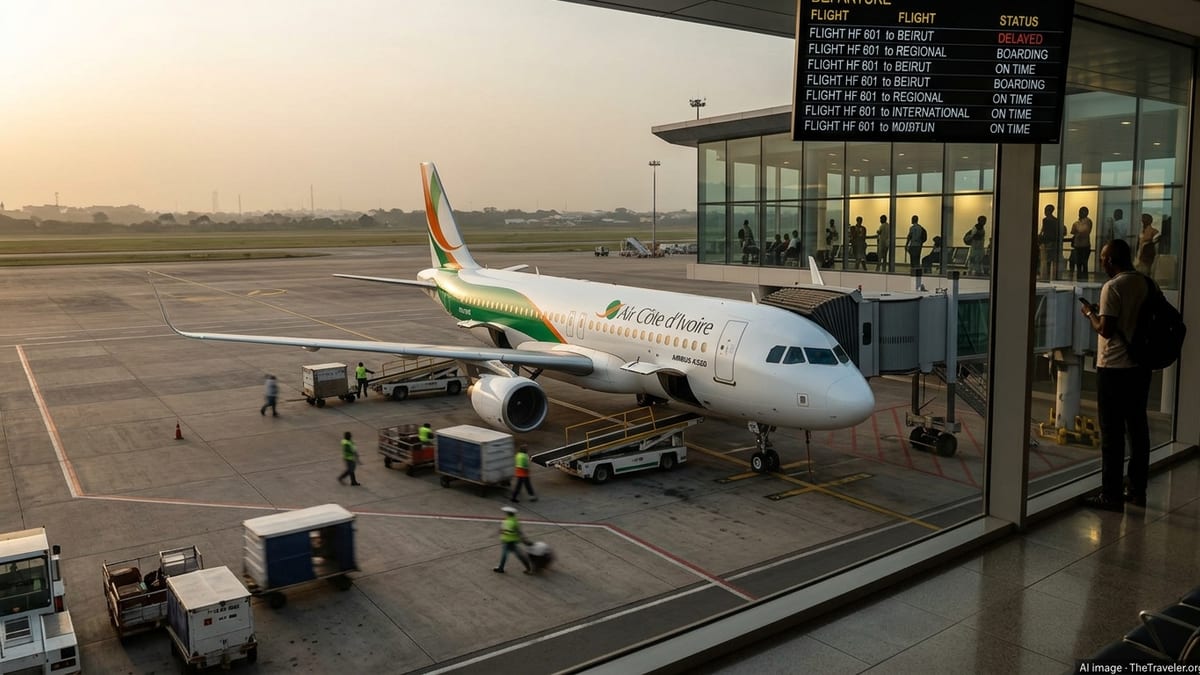
Updated guidance targets key regions of Lebanon
According to the most recent UK government travel advice, Lebanon remains subject to some of the most restrictive Foreign Office guidance currently in force, with clear instructions not to travel to specific regions of the country. Publicly available information shows that the advisory, refreshed in August 2026 and still listed as current in late September, highlights heightened security risks that affect both urban areas and zones close to international borders.
The advice distinguishes between areas where travel should not take place under any circumstances and others where only essential journeys are recommended. The strictest “do not travel” designation applies to regions close to the Syrian border and selected parts of the north and east, where reports indicate an elevated risk of armed conflict, cross‑border incidents and sporadic violence.
In other parts of Lebanon, including sections of Beirut and major coastal resorts, the Foreign Office maintains a lesser but still cautious stance, advising against all but essential travel. This layered approach mirrors the structure of current UK guidance for a number of destinations worldwide, where blanket national bans have been replaced by detailed, region‑by‑region assessments.
The renewed warning comes as some tour operators had begun promoting late‑season city breaks and short escapes to Beirut, positioning the capital as an alternative Mediterranean city break at a time when parts of the region are experiencing cooler weather and lower hotel occupancy.
Why Lebanon faces a ‘do not travel’ warning
Published coverage of the advisory indicates that the UK government’s assessment focuses on a combination of security, political and regional factors. Lebanon has experienced periods of instability in recent years, including episodes of armed clashes, sporadic unrest in urban districts and the impact of wider tensions in the Middle East.
Recent analysis by travel‑risk consultancies notes that areas close to the borders with Syria and Israel can be affected at short notice by military activity, road closures or airspace restrictions. Public information references the potential for sudden escalations, making it difficult for commercial airlines and travel companies to guarantee continuity of service or rapid evacuation options for leisure travellers.
Advisories also weigh the capacity of local infrastructure to support visitors in the event of a crisis. Beirut’s main international airport and port facilities are central to the country’s connectivity, and any disruption to these hubs would quickly affect travellers’ ability to leave. Insurance industry briefings highlight this vulnerability as one of the reasons why official caution remains high, even during relatively calm periods.
While Lebanon continues to attract visitors for its historic sites, coastal scenery and culinary scene, the latest Foreign Office position underlines that the overall risk profile is currently judged to be above what is considered acceptable for routine tourism from the UK.
Impact on British holidaymakers and tour operators
The “do not travel” classification for parts of Lebanon has immediate practical consequences for British residents who had been considering trips for late 2026. Many UK‑based travel insurers use Foreign Office advisories as a reference point when deciding what cover to offer, and policies often exclude claims originating from areas where official guidance is against all travel or all but essential travel.
Package‑holiday providers and specialist tour operators typically treat such advisories as a trigger for itinerary changes, postponements or cancellations. Industry documentation shows that companies may be required to reroute trips, substitute destinations or offer alternative dates if the Foreign Office position makes it difficult to operate safely or maintain insurance cover for customers and staff.
Travellers who had booked independent flights and accommodation to Lebanon may find that airlines and hotels apply standard fare rules unless commercial services are disrupted. However, consumer‑rights information emphasises that visiting an area subject to an active “do not travel” warning can significantly limit the support available if circumstances deteriorate while a visitor is in the country.
Some British travellers who maintain close family or business ties to Lebanon continue to visit despite the warnings, but guidance from risk‑management specialists stresses that such trips are materially different from short‑break city holidays. Those journeys are usually planned with contingency arrangements, local contacts and an awareness of rapidly changing conditions, factors that leisure visitors may lack.
How the warning fits into the wider global advisory map
The renewed Lebanon alert sits within a broader pattern of Foreign Office guidance that currently marks dozens of destinations worldwide with partial or complete “do not travel” designations. Recent media analysis of the advisory map notes that, out of more than 220 countries and territories covered, a significant number now contain zones where UK travellers are advised not to go at all.
These designations range from comprehensive nationwide warnings, as seen in countries experiencing large‑scale conflict, to more targeted restrictions on border regions, remote provinces or specific cities. In many cases, destinations remain popular with tourists in unaffected areas, while particular districts are flagged as too risky for visits.
Lebanon’s status is comparable to other locations where coastal resorts or capital cities continue to operate commercially, but surrounding hinterlands or frontier zones are assessed differently. Travel‑industry commentary suggests that this granular approach allows some tourism activity to continue while reflecting the complex security dynamics that can exist within a single country.
For British travellers comparing advice between the UK and other governments, it is common to see variations in wording and emphasis. However, cross‑referencing publicly available advisories from several countries often shows a broadly consistent picture where heightened risks are present, particularly in parts of the Middle East, North Africa and Eastern Europe.
What prospective visitors should check before booking
Travel‑safety specialists advise that anyone considering a trip to Lebanon in the current climate should first review the exact geographic areas covered by the Foreign Office warning. The government’s online advisory pages typically include detailed maps and named districts, allowing travellers to see whether specific neighbourhoods, resorts or routes fall within “do not travel” or “essential travel only” zones.
Prospective visitors are also encouraged to verify how their travel insurance policy treats official warnings. Policy documents often contain clauses that restrict cover if a traveller enters an area after a “do not travel” alert has been issued, particularly for claims related to security incidents, medical evacuation or trip disruption caused by unrest.
Those who have already booked should monitor updates closely in the weeks leading up to departure. Published guidance can change at short notice in response to new developments, and airlines or tour operators may adjust schedules, reroute flights or amend itineraries if conditions require. Keeping contact details up to date with booking agents and carriers can help ensure that passengers receive timely notifications.
For now, the Foreign Office stance means Lebanon is likely to remain a challenging prospect for mainstream holidaymakers looking for a straightforward Mediterranean city break or beach escape. Until the advisory is eased, many British travellers may opt for alternative destinations where official assessments indicate a lower overall risk profile.