


More news on this day
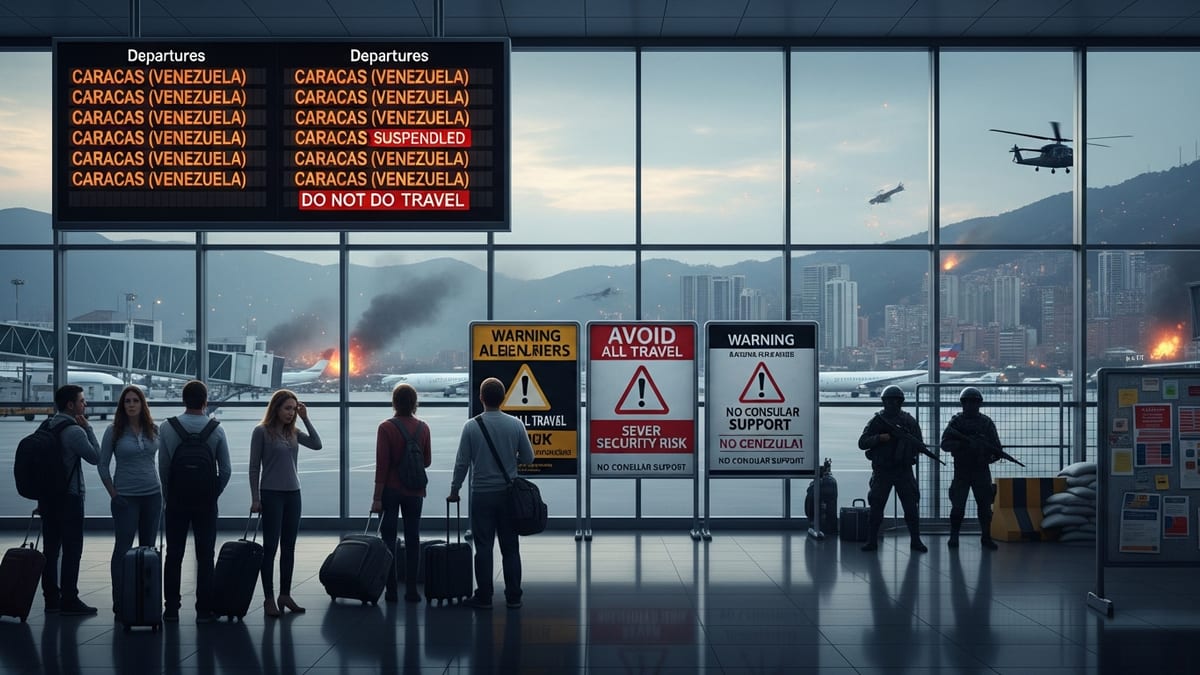
The UK Foreign, Commonwealth and Development Office is updating travel advice for a number of popular destinations ahead of the main summer getaway, with fresh warnings for British holidaymakers about regional conflicts, security incidents and new border controls that could disrupt trips.
Get the latest news straight to your inbox!
Heightened regional risks in popular long-haul destinations
Recent updates to official travel advice highlight that some long-haul favourites now carry stricter cautions. In Saudi Arabia, publicly available guidance currently advises against all travel to areas close to the border with Yemen and against all but essential travel to additional regions, reflecting the ongoing security situation there. Travellers are urged to pay attention to regional differences within large countries rather than assuming a blanket level of risk.
In Mexico, official information notes that advice now includes warnings against all but essential travel to specific cities and states, such as parts of Baja California, due to crime and safety concerns. While the majority of the country’s main resort areas continue to attract large numbers of visitors, British nationals are encouraged to check regional maps within the advice before booking internal flights or road journeys.
Guidance for Georgia stresses that some territories, including Russian-occupied areas such as South Ossetia and Abkhazia, are subject to advice against all travel. The Foreign Office material indicates that consular support is extremely limited or not available in those regions, which can leave travellers with few options if something goes wrong.
Travel industry observers say these examples underline a wider pattern in which the UK government is refining advice at regional and even city level, rather than issuing blanket warnings for entire countries, requiring holidaymakers to read the detail carefully.
Partial warnings for Thailand and other Asian destinations
Asia remains a key draw for UK travellers, but updated advice shows that not all areas are viewed in the same way. In Thailand, for example, current guidance advises against all but essential travel to several provinces near the Malaysian border, including Pattani, Yala and Narathiwat. These cautions sit alongside more routine guidance for the country’s major tourist centres, which continue to operate as normal.
The Thailand notice has also been updated to reflect tighter health screening for arrivals from Ebola-affected regions, signalling that health-related measures can change with little notice. While this will affect only a small proportion of travellers, it illustrates how quickly entry requirements can shift in response to emerging risks.
Elsewhere in Asia and the Middle East, recent travel updates point to a mix of security and health considerations, from ongoing regional conflicts to localised unrest. Publicly available information suggests that holidaymakers are being asked to prepare personal contingency plans and to think in advance about how they would leave an affected area if regular routes were disrupted.
For many UK tourists, particularly those arranging complex multi-stop itineraries, the cumulative effect of these warnings is that more time is needed before departure to understand local conditions and to plan journeys that remain within advised areas.
Europe: new border controls and capacity pressures
Closer to home, the Foreign Office continues to highlight administrative and practical hurdles facing UK visitors to European destinations. Advice for Italy and other Schengen states has recently been updated to reflect the European Union’s Entry Exit System, which introduces biometric checks at external borders. Travel industry reporting indicates that these new procedures could lengthen queues for third-country nationals, including British passport holders, especially during peak summer weeks.
Specialist coverage of Schengen travel notes that the UK advisory material now stresses the importance of extra time at border control and familiarity with new processes. British tourists planning road trips or rail journeys that cross multiple frontiers in a short period are being encouraged to factor possible delays into their itineraries.
In parallel, independent travel reports suggest that several major European hubs are already experiencing crowding and longer waits at security and passport control ahead of the main school holiday season. Video footage and on-the-ground accounts shared by travellers point to long lines at some airports, reinforcing Foreign Office messaging that passengers should arrive early and monitor local airport updates.
Even in destinations such as Italy and Croatia, where the overall risk level remains relatively low, the official foreign travel advice pages underline that no trip can be guaranteed safe and that travellers should keep monitoring updates for any change in status.
Insurance, safety planning and the risk of invalidated cover
A consistent feature across recent Foreign Office updates is a prominent reminder about travel insurance. The wording on multiple country pages makes clear that policies may be invalidated if travellers visit areas where official advice is against all travel or all but essential travel. This has significant implications for holidaymakers who are tempted to ignore regional warnings when seeking cheaper accommodation or alternative routes.
Insurers generally base their cover on the official risk assessments published for each destination. If a British traveller chooses to enter a red or amber area identified on the Foreign Office maps, they may find that medical bills, evacuation costs or losses from crime are not covered. Industry commentators say this point is particularly important for backpackers, overland travellers and those hiring cars to explore beyond the main resort zones.
Recent guidance also encourages UK nationals to prepare a personal emergency plan before travelling. This can include knowing the nearest hospital, understanding local evacuation routes, and setting up reliable means of communication with family or friends at home. The suggestion reflects a broader shift toward travellers taking more responsibility for their own safety, rather than assuming that consular assistance will always be available.
For package holiday customers, travel firms generally monitor official advisories closely and may cancel or reroute trips if the risk level in a specific region increases. Consumers are advised to read booking conditions carefully to understand when they might be entitled to rebook or claim a refund if Foreign Office advice changes just before departure.
Staying informed as summer travel ramps up
The Foreign Office maintains country-by-country pages that are updated frequently, sometimes with several changes in a single week during periods of heightened tension or rapid policy shifts. Travel commentators stress that printed brochures and third-party websites can quickly become out of date, making direct consultation of the most recent official advice an essential step before travelling.
Separate government campaigns aimed at young travellers and first-time holidaymakers use social media and online tools to highlight common risks, from balcony accidents to drug-related offences and road safety issues. These initiatives echo formal travel advisories by urging people to research local laws and customs, and to look out for friends when abroad.
With the peak summer season approaching, industry observers expect further adjustments to travel advice in line with changing security conditions, health developments and pressures on border infrastructure. British holidaymakers are being encouraged to treat Foreign Office advisories as a live resource rather than a one-off pre-departure check.
For now, the message from publicly available guidance is that millions of trips will still go ahead as planned, but UK travellers are being reminded to pay close attention to the small print: regional warnings, entry rules and insurance conditions that could make the difference between a smooth holiday and a costly disruption.