


More news on this day
More than 200 easyJet passengers have been left stranded in Marrakech after a heavily delayed service failed to depart on schedule, turning a short-haul journey into an overnight ordeal and renewing scrutiny of how airlines handle large-scale disruption at busy leisure destinations.
Get the latest news straight to your inbox!
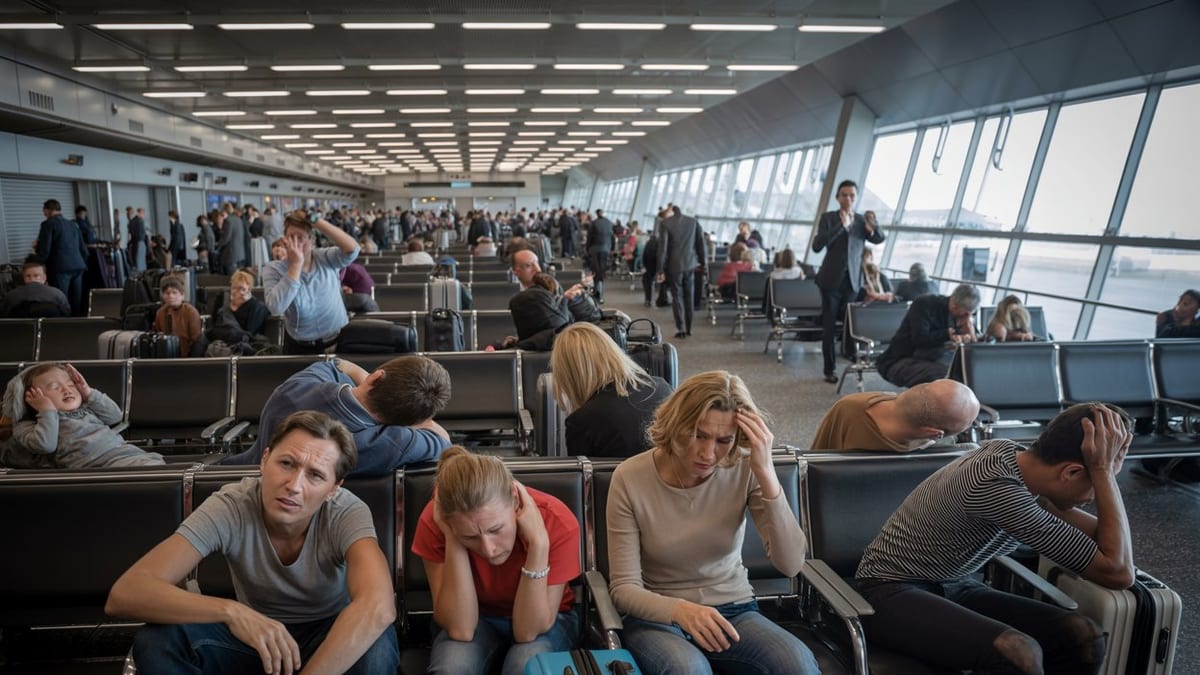
Long Delay Leaves Holidaymakers Stuck Overnight
Reports from flight-tracking data and social media posts indicate that an easyJet service due to depart Marrakech Menara Airport for a European destination experienced a prolonged delay, with passengers kept in the terminal while revised departure times repeatedly shifted. Travellers described queues at airline desks and uncertainty over whether the aircraft would leave the same day.
Publicly available information suggests that more than 200 passengers were affected, with many already at the airport when disruption escalated. As the delay extended into the night, concerns grew over accommodation, access to food, and onward connections, particularly for families with young children and travellers facing work commitments the following morning.
By the time it became clear the flight would not operate as initially planned, passengers were forced to seek last-minute hotel rooms in Marrakech or to remain airside while awaiting further updates. For some, this meant paying out of pocket for extra nights abroad, while others attempted to rebook onto alternative flights or different airlines at short notice.
The situation has drawn attention partly because Marrakech has recently become a strategically important base for easyJet, with the carrier expanding its network from the Moroccan city. The incident highlights the strain that peak-season demand and operational challenges can place on both airlines and local airport infrastructure.
Confusion Over Rebooking, Care and Compensation
Accounts shared by passengers suggest that information about rebooking options and overnight care was inconsistent. Some travellers reported being directed to use the airline’s mobile app to manage their disrupted booking, while others queued at service desks inside the terminal in search of written confirmation of their rights and entitlements.
In similar disruption cases involving the same carrier, publicly available coverage has documented a mixture of outcomes for stranded travellers: some have received hotel accommodation and meals arranged directly by the airline, while others have instead been offered reimbursement after sourcing their own rooms and transport. Reports from recent easyJet incidents elsewhere in Europe indicate that this uneven experience is a recurring concern for passengers caught up in large-scale delays or cancellations.
Travel-rights specialists note that, where flights depart from or arrive in the United Kingdom or European Union, regulations such as UK261 and EU261 can entitle passengers to care, assistance and, in certain circumstances, financial compensation. However, when journeys involve non-EU airports and complex operational causes, the precise level of protection can be harder for passengers to understand in real time, especially when they are tired, stressed and far from home.
In Marrakech, stranded travellers have described the practical difficulties of securing proof of disruption, collecting receipts, and establishing whether their situation qualifies for compensation or only for basic reimbursement of “reasonable expenses” such as food, local transport and overnight stays.
Growing Spotlight on easyJet Disruptions
The Marrakech disruption follows a series of recent incidents involving easyJet passengers across Europe, where travellers have been left grounded after diversions, extended border queues or cancellations late in the day. Published coverage in recent weeks has highlighted stranded groups at Italian airports and on diverted flights where hotel capacity and replacement services quickly became stretched.
Industry analysts note that low-cost carriers often operate tight schedules with rapid aircraft turnarounds, which can leave limited room for recovery when a single rotation is heavily delayed. Knock-on effects can ripple through the network, particularly on popular leisure routes linking Mediterranean and North African destinations with major UK and European hubs.
The scale of the Marrakech incident, involving more than 200 people on a single service, adds to a broader narrative of passenger frustration with disruption handling, especially during shoulder seasons and early summer peaks. Travellers increasingly share live updates on social media, amplifying visibility of delays and complicating efforts by airlines to control the messaging around operational challenges.
While flight data shows many easyJet services in and out of Marrakech continuing to operate broadly on schedule, the high-profile nature of a large group stranded overnight at a major tourist gateway has fueled wider debate about resilience, communication and contingency planning at low-cost carriers.
What Stranded Passengers Can Do Next
For those affected in Marrakech, travel advisers recommend keeping all documentation related to the disruption, including boarding passes, booking confirmations, and any written notifications from the airline or airport. Receipts for hotels, meals, local transport and essential items are likely to be important if passengers later seek reimbursement.
Passengers are typically encouraged to submit claims directly through the airline’s official website or app once they have returned home, attaching evidence of extra costs and a clear timeline of events. If disputes arise over eligibility for compensation or levels of reimbursement, some travellers choose to escalate complaints through national alternative dispute resolution bodies or small-claims processes, depending on the jurisdiction in which their journey originated.
Consumer advocates also underline the value of travel insurance that explicitly covers missed departures, extended delays and enforced additional nights abroad. While terms vary, policies may pay out in parallel with any airline obligations and can help to offset costs that fall outside standard carrier responsibilities.
In the short term, those still in Marrakech are focused primarily on securing confirmed seats on new flights, rearranging accommodation, and updating employers, schools and family members back home. As the summer travel season gathers pace, the episode serves as a fresh reminder of how quickly a routine low-cost flight can turn into a complex, multi-day journey when things go wrong.
Operational Pressure at a Fast-Growing Hub
The disruption has also drawn attention to Marrakech Menara’s growing role within easyJet’s network. Recent investor materials and schedule data point to an expanding operation at the Moroccan airport, including new routes to European cities and an increase in based aircraft during peak periods.
As airlines add capacity to fast-growing leisure markets, operational resilience becomes increasingly important. Even when safety is not in question, relatively minor technical issues, crew-rostering constraints or congested airspace can quickly cascade into substantial delays when there are few spare aircraft or crew on hand.
Aviation observers say that while the majority of flights still operate without major incident, high-profile episodes such as the stranding of more than 200 passengers in Marrakech underscore the need for clear communication, realistic scheduling and adequate contingency plans. For airlines competing aggressively on price, maintaining passenger confidence during disruptions is likely to remain a critical challenge throughout the busy months ahead.