


More news on this day
From the backstreets of Bangkok to the boulevards of Paris and the hawker centres of Singapore, street food is moving to the centre of global tourism strategies, reshaping how travellers choose destinations and experience local culture.
Get the latest news straight to your inbox!
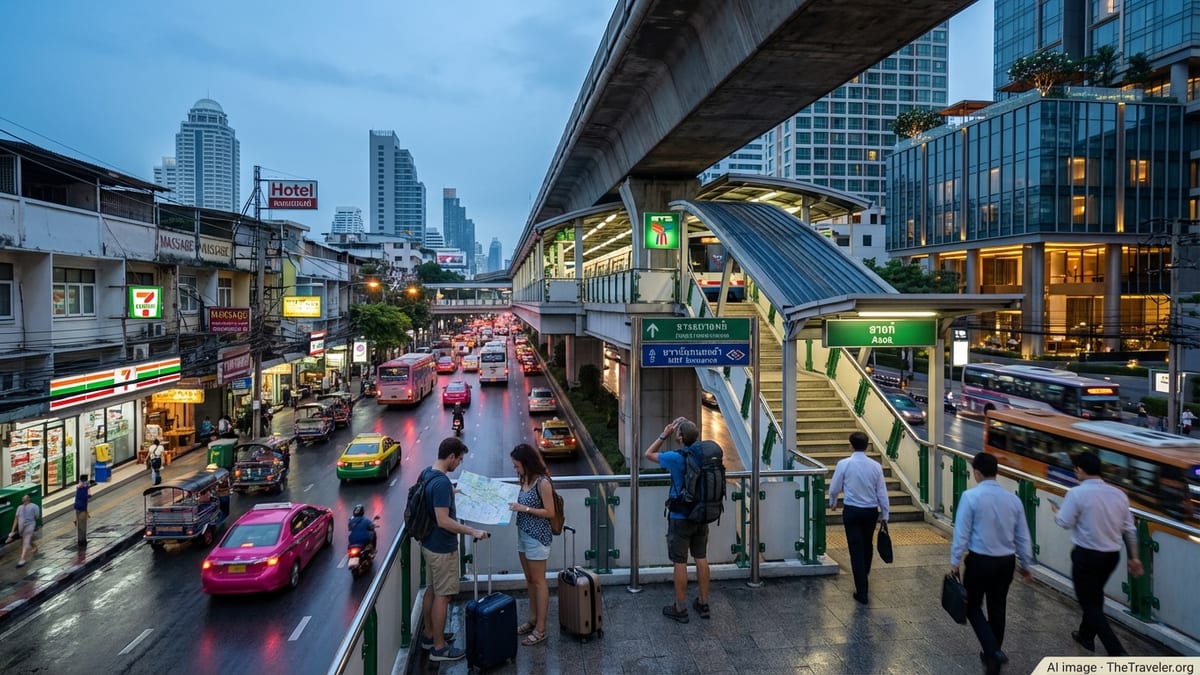
Street Food Becomes a Strategic Travel Draw
Street food has shifted from a low-cost, informal option to a headline attraction that governments, tourism boards and cities increasingly place at the heart of their visitor offering. Industry trend reports released in 2024 note that demand for informal, ready-to-eat dishes has surged in markets that previously had little street food tradition, while destinations with established scenes are systematically packaging them into bookable experiences.
Analysts point to a blend of factors behind this rise: social media exposure, interest in authentic and affordable experiences, and growing confidence in food safety standards. Food-focused city breaks, night market tours and curated tastings now feature prominently in tour operator catalogues, signalling that what used to be a spontaneous snack is being reimagined as a structured, immersive activity.
This evolution is particularly visible in France, Thailand and Singapore, where local authorities have tied culinary heritage to broader narratives of soft power, sustainable tourism and regional economic development. Each destination is adapting its own food culture for a global audience while attempting to preserve local character.
France Reimagines Its Own Street Food Tradition
France, long associated with white-tablecloth gastronomy, is increasingly embracing street food as a way to showcase regional identity in a more informal setting. French media coverage in late 2025 highlighted how classic dishes such as pan bagnat in Nice, galette-saucisse in Brittany and tielle in Sète are being reframed as “terroir on the go,” driven by a new wave of chefs and food truck operators who emphasise provenance and craftsmanship.
Tourism promotion materials underline a growing calendar of events that place street food alongside wine, cheese and Michelin dining. The Lille Street Food Festival, scheduled to return to the northern city in October 2026, is being presented as a platform for local artisans, innovative food trucks and craft brewers, extending the country’s appeal beyond traditional restaurant circuits and into former industrial districts and creative hubs.
At national level, destination marketing campaigns now routinely highlight urban markets, food halls and pop-up concepts, particularly in Paris, Lyon and Marseille. For international visitors, this translates into curated routes that link neighbourhood bakeries, regional sandwich stalls and specialty counters, turning quick bites into themed culinary walks that complement more formal restaurant reservations.
Thailand Turns Street Stalls into Soft Power
Thailand’s street food, already famous among backpackers and seasoned travellers, is being more formally recognised as a pillar of the country’s tourism renewal. Government marketing plans for the mid-2020s position Thai cuisine as a core “must taste” experience, aligning local noodle carts, night markets and coastal seafood grills with national campaigns designed to lift visitor numbers and spending.
Recent commentary in regional outlets describes Thai street food as a form of soft power, noting that more than half of surveyed international tourists now regard Thailand as a distinctive culinary destination, with perceptions improving between 2023 and 2024. High-profile initiatives, such as television competitions featuring street vendors and themed tourism festivals in Bangkok, are helping to convert long-standing local habits into exportable stories for a global audience.
At the same time, health and safety accreditation schemes like “Clean Food, Good Taste” and its updated “SAN Plus” framework are being promoted as a way to reassure visitors that vibrant street atmospheres can coexist with modern hygiene standards. Travel advisories and family guides now routinely pair enthusiasm for markets and night streets with clear guidance on choosing busy stalls, observing preparation practices and moderating spice and portion sizes.
Singapore’s Hawker Centres Evolve into Heritage Destinations
Singapore has taken one of the most formalised approaches to street food by turning its hawker centres into recognised heritage attractions. Hawker culture was added to the UNESCO Representative List of the Intangible Cultural Heritage of Humanity in 2020, and subsequent reporting from heritage agencies and national bodies outlines a multi-year effort to safeguard and promote these spaces as community dining rooms as well as tourism highlights.
Government updates published in 2024 and 2025 emphasise continued investment in new and refurbished hawker centres, with more than one hundred sites in operation and additional facilities opening in new residential districts. Authorities frame this expansion as a way to keep everyday dishes affordable for residents while welcoming international visitors in a controlled, well-regulated environment.
For travellers, hawker centres increasingly function as curated food courts of Southeast Asian flavours, where stalls are graded, menus are translated and payment systems are modernised. Tour operators now incorporate hawker tastings into city itineraries, often pairing them with neighbourhood heritage walks, while independent visitors rely on rankings, awards and online reviews to navigate the dense concentration of stalls.
How Travellers Can Navigate the New Street Food Landscape
As street food becomes a focal point of tourism strategies, visitors are encouraged to plan more deliberately than in the past. Travel industry briefings advise checking local festival calendars, as events such as Lille’s street food gathering or Bangkok’s tourism fairs can dramatically concentrate both choice and crowd levels. Booking guided food walks can help first-time visitors understand local etiquette and identify vendors with strong reputations among residents.
Health and sustainability considerations are playing a greater role in how destinations communicate with travellers. Public information campaigns in Asia and Europe highlight basic precautions such as choosing stalls with high turnover, watching food cooked to order and staying hydrated in hot climates. Some cities are introducing waste reduction and recycling schemes around major food markets, seeking to limit the environmental footprint of the growing number of visitors.
Travel planners also note that the line between street food and fast-casual dining is blurring, especially in dense urban centres. In France, for example, an expanding ecosystem of counters, kiosks and quick-service concepts channels street-style dishes into regulated indoor settings, while in Singapore many traditional hawker recipes now appear in air-conditioned malls and food halls. For travellers, this creates a wide spectrum of options, from plastic stools on the pavement to architect-designed food courts, all marketed as credible ways to taste local life.