


More news on this day
Rising geopolitical tensions and shifting flight patterns are pushing more Israeli travellers toward destinations such as the United Arab Emirates, Thailand and Greece, while at the same time increasing the number of assistance cases handled by consular services and travel insurers in those locations.
Get the latest news straight to your inbox!
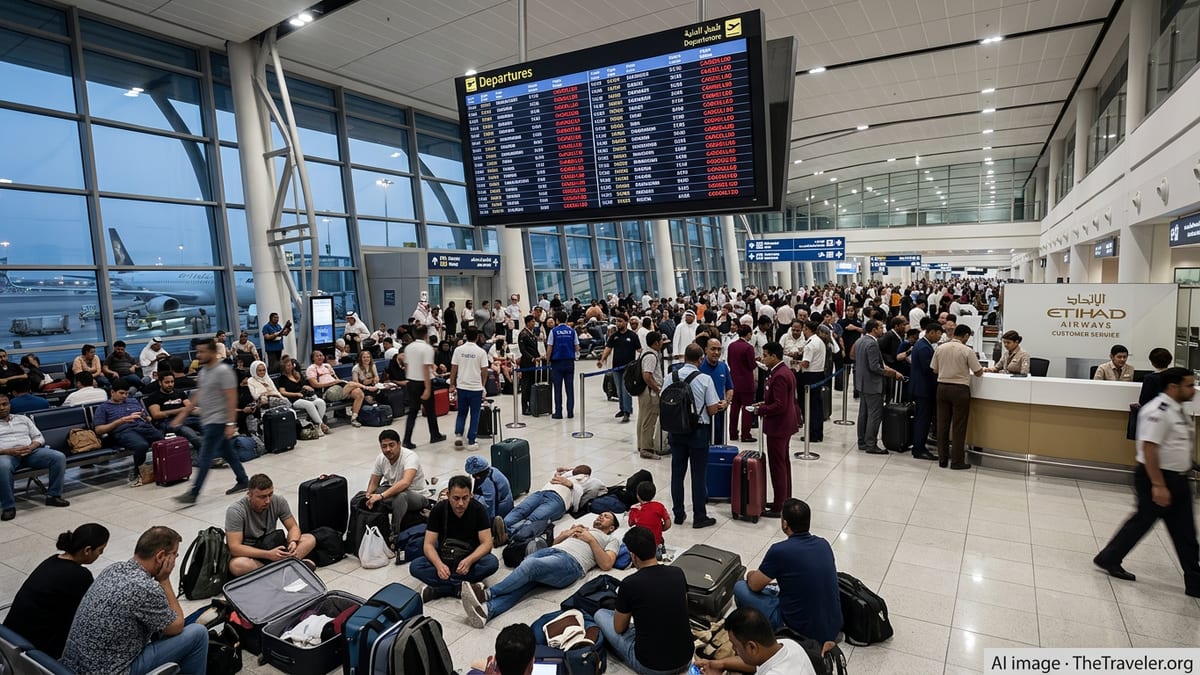
Spike in Israelis Abroad Meets a More Volatile Security Climate
Publicly available information from Israeli and foreign authorities indicates that the overall security environment for Israelis abroad has become more complex since late 2025, with particular sensitivity around Middle East flashpoints and popular long haul holiday destinations. Israel’s National Security Council has repeatedly urged citizens to review travel advisories and exercise greater caution overseas, reflecting a wider concern over terrorism threats and antisemitic incidents affecting travellers.
At the same time, Israeli outbound tourism has remained resilient. Fact checking by international media has highlighted that hundreds of thousands of Israelis traveled to Thailand in 2025, underlining the scale of demand for long haul leisure trips despite regional instability. Similar patterns are visible in Mediterranean destinations such as Greece and in Gulf hubs like the United Arab Emirates, which continue to attract visitors even when airspace disruptions and route adjustments complicate itineraries.
This combination of high travel volumes and a heightened risk backdrop is feeding directly into a rise in requests for assistance. Consular desks, emergency hotlines and private travel insurance providers are increasingly being called upon to help Israelis handle flight cancellations, sudden route changes, documentation issues and personal safety concerns in transit and at their final destinations.
According to coverage from Israeli and international outlets, travel risk mapping exercises now routinely include Dubai, Abu Dhabi, Bangkok and major Greek islands in their assessments of where large concentrations of Israelis may require emergency support if a regional crisis worsens.
United Arab Emirates: Strategic Hub Facing Regional Turbulence
The United Arab Emirates has emerged over the past several years as both a major destination and an essential transit point for Israelis, particularly via Dubai International Airport. Travel industry reporting shows that before the latest escalation in the wider region, routes linking Israel to Asia and the Pacific often relied heavily on connections through the UAE, placing large numbers of Israeli nationals in Emirati airports on any given day.
During the 2026 escalation involving Israel, Iran and other regional actors, open source timelines compiled by international media and analysts describe significant strain on air connectivity across the Gulf. Evacuation summaries reference periods when flights in and out of the UAE were disrupted or rerouted, and when foreign governments temporarily drew down diplomatic staff or limited consular services. Such developments have a direct impact on Israeli travellers, who may find themselves stranded in transit or forced to arrange alternative routes at short notice.
Risk advisories issued in the first half of 2026 by security consultancies and financial institutions describe the UAE as operational but subject to sudden scheduling changes, with airlines adjusting frequencies and routings in response to missile threats and airspace closures. In this environment, consular assistance and insurer support for trip interruption, missed connections and unplanned stopovers have become increasingly important for Israelis using Emirati hubs.
Regional analyses also note that UAE authorities and foreign missions have had to prioritize emergency cases when demand for assistance spikes, meaning that travellers without robust insurance or contingency plans can face longer waits for help. For Israelis, this has sharpened awareness that even destinations perceived as stable can rapidly become challenging when wider regional tensions flare.
Thailand: High Volumes of Israeli Tourists and Elevated Visibility
Thailand continues to be one of the most popular long haul destinations for Israelis, a trend confirmed by visitor statistics cited in recent international fact checking reports. Social media and travel forums from early 2026 are filled with accounts of Israeli backpackers and holidaymakers across Bangkok, northern provinces and southern beach resorts, underlining how visible the community has become within the local tourism landscape.
This high visibility has security implications. Local media in Thailand have reported that regional security discussions now take into account potential risks to sites and businesses associated with Israeli or Western interests, especially during peaks in the Israel Iran confrontation. In parallel, commentary from Israeli officials at parliamentary hearings notes that situational assessments increasingly track the concentration of Israelis in Southeast Asian locations such as Thai islands and resort towns.
For assistance providers, Thailand’s role as a de facto safe haven for travellers seeking to avoid more volatile parts of the Middle East has translated into a steady rise in consular inquiries and insurance claims. These range from routine medical issues and lost passports to questions about rerouting away from conflict affected airspace or coping with mass flight cancellations through Gulf hubs. Travel insurance community discussions also point to rising premiums in parts of the Thai market, in part reflecting higher claims exposure and broader global cost pressures.
Publicly available information suggests that as more Israelis choose Thailand as an alternative to destinations viewed as politically sensitive, both government services and private companies are reinforcing their capacity to provide emergency assistance in Bangkok, Chiang Mai and major island gateways.
Greece: Mediterranean Gateway Under Indirect Pressure
Greece has long been a favored short haul break for Israelis, and parliamentary discussions in Jerusalem have recently underscored the country’s role as a key gathering point for Israelis seeking to return home during crises. Official minutes from the Knesset’s Diaspora Affairs Committee refer to notable concentrations of Israelis in Greece and Cyprus when regional tensions spike, highlighting the importance of local embassies, consulates and airlines in supporting rapid departures.
Travel forums from early 2026 show that questions about security conditions in Greece have become more common as the wider Middle East situation deteriorates. Contributors frequently ask whether Athens and the islands are affected by the American and Israeli confrontation with Iran, and seek guidance on how Gulf airspace closures might disrupt itineraries. When flights operated by major Gulf carriers between Asia and Europe are curtailed, some travellers have found themselves rerouted through Greek airports or forced to rebook at short notice.
These dynamics have increased the number of cases where Israelis require help reissuing tickets, securing temporary accommodation or extending travel insurance coverage while awaiting alternative flights. Reports indicate that travel intermediaries and assistance firms are expanding their local networks in Greece, including relationships with hotels, transport providers and medical facilities geared toward last minute emergency needs.
At the same time, Greek tourism operators and international risk consultancies generally characterize the country as remaining physically removed from active conflict zones, even when it is indirectly affected by airspace restrictions and regional political protests. For Israeli travellers, this mix of perceived safety and logistical complexity is translating into a higher demand for both pre departure advice and on the ground support.
Global Travel Safety: Data, Warnings and Insurance Under Scrutiny
The experience of Israelis in the United Arab Emirates, Thailand and Greece reflects a broader global trend in which travel safety is moving to the center of trip planning. Governments across multiple regions have issued updated advisories since early 2026, while private risk assessment firms have circulated detailed briefings on flight disruptions, potential missile threats and the risk of protests targeting Israeli or Jewish interests abroad.
In Israel, the National Security Council’s online maps and warning levels have become a widely referenced tool for households considering foreign holidays, including to countries traditionally seen as friendly. Parallel to this, the Ministry of Foreign Affairs’ department for Israelis in distress has publicized increased workloads involving antisemitic incidents and emergency assistance requests, underlining how social tensions in host countries can spill over into travel.
For insurers, the evolving environment is accelerating product changes. Public documentation from financial institutions and international organizations points to an uptick in travel related claims and a greater emphasis on exclusions tied to war, terrorism and known events. Travellers who book flights via hubs in the Gulf or Eastern Mediterranean are being encouraged by consumer advocates to check carefully whether their policies cover cancellations linked to airspace closures or government evacuation orders.
As a result, Israeli travellers heading to the UAE, Thailand, Greece and other popular destinations are increasingly combining traditional holiday research with systematic checks of advisories, airline policies and insurance coverage. Industry observers note that this more cautious behavior is likely to persist, keeping demand for assistance services elevated even if regional tensions ease.