


More news on this day
Travellers planning trips to France are being urged to review official guidance after days of violent unrest led to localised curfews, transport disruption and a renewed safety warning from the UK Foreign, Commonwealth & Development Office.
Get the latest news straight to your inbox!
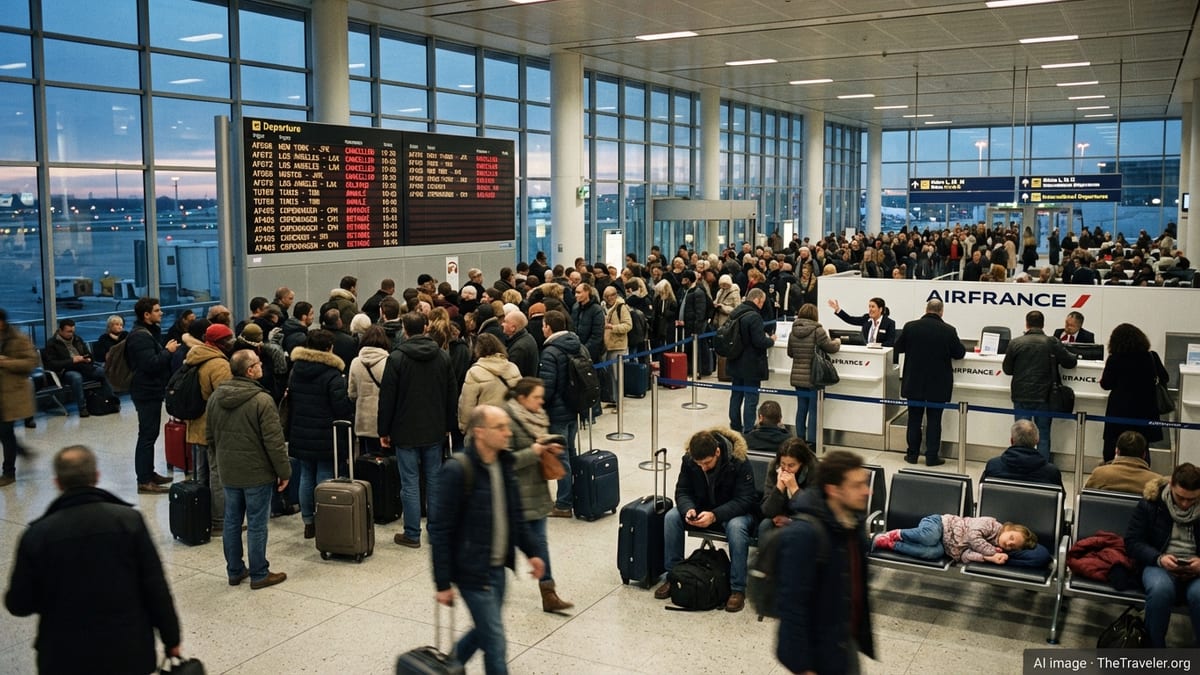
Foreign Office travel warning updated for France
Publicly available updates to the UK Foreign, Commonwealth & Development Office (FCDO) travel advice for France show that guidance on “warnings and insurance” and “safety and security” pages has been revised several times since mid-2023 in response to episodes of unrest, including large-scale riots. Change logs indicate that specific references to the June and July 2023 riots were later removed, but the overall tone of advice remains cautious, highlighting the potential for sudden disruption and local security measures in major French cities.
The current FCDO advice continues to underline a general threat from terrorism and the risk that demonstrations can turn confrontational at short notice. While France remains a popular destination and travel is not broadly restricted, the guidance emphasises that travellers should stay informed, follow local announcements and check with their transport providers if moving between cities that have recently experienced disorder.
Similar language appears in advisories from other governments, including Canada and Australia, which both flag the possibility of “localised curfews” and short-notice security measures in parts of France. This convergence of official messaging reinforces the importance for visitors of monitoring the situation in the specific region they plan to visit rather than relying only on national-level headlines.
Curfews imposed after worst rioting in years
Recent coverage from international news agencies describes France’s latest unrest as some of the worst rioting the country has seen in years, with city halls, local government buildings and commercial premises among the targets. Reports indicate that several thousand arrests were made over a single weekend across the country, including in Paris and major regional centres such as Marseille and Lyon.
In response, local authorities introduced overnight curfews in affected districts, particularly in parts of the Paris region. According to media reports, these curfews were designed to limit movement late in the evening and overnight, after intelligence suggested that much of the damage and looting was taking place after dark. In earlier episodes of unrest, including the 2023 riots following a high-profile police shooting, some municipalities applied curfews specifically to minors, while others extended restrictions to all residents and visitors.
Local curfews in France are typically announced by departmental or municipal authorities and can apply to defined neighbourhoods rather than entire cities. Hours vary, but past examples have often run from late evening to early morning, for instance from 9 pm or 10 pm until the early hours. Travellers caught in such zones may be requested to remain in their accommodation during curfew hours, and non-essential evening activities can be cancelled or postponed at short notice.
Impact on transport, accommodation and popular visitor areas
Publicly available information shows that periods of civil unrest in France frequently coincide with disruption to public transport. During previous waves of riots, bus and tram networks in affected suburbs were suspended from early evening as a precaution, while some metro entrances closed temporarily. Media coverage of the latest violence also refers to damage to shops and local services in several urban areas, which can reduce the availability of facilities such as supermarkets, pharmacies and banks in the worst-hit districts.
Most current advisories stop short of warning against travel to France as a whole, but they stress that itineraries may need to be adjusted. Travellers with accommodation in outer suburbs that have seen repeated clashes may decide to relocate closer to central districts where security presence is higher and access to rail hubs is more reliable. In previous incidents, major tourist sights in central Paris, including areas around the Seine and key museums, remained open while unrest was concentrated in outlying neighbourhoods.
Hotel operators in major cities generally continue to function during unrest, but guests can experience delays reaching airports and stations, particularly if roadblocks, diverted traffic or protest marches occur on main routes. Rail journeys crossing city centres may be subject to crowding or short-notice alterations if stations are temporarily closed for safety reasons. Travellers are advised in official guidance to build extra time into transfers on days when large demonstrations or overnight curfews are reported.
How travellers can prepare and stay informed
Government advisories and independent security briefings recommend that visitors to France closely track local news and social media channels operated by municipal or regional authorities for details of any curfew orders. Because measures are often targeted at particular neighbourhoods, street-level information is important: two adjoining districts can be subject to very different restrictions on the same night.
Travellers are also encouraged to register their contact details with their own government’s consular services when available, so they can receive alerts if advice changes while they are in country. For visitors from the UK, the FCDO suggests checking the France travel advice page regularly before departure and during the trip, paying particular attention to sections on demonstrations, industrial action and potential violence around political or social flashpoints.
Practical steps recommended across multiple advisories include avoiding large gatherings, keeping a flexible schedule and carrying identification at all times. Visitors are often reminded to pre-book refundable or changeable tickets where possible, and to consider travel insurance that covers civil unrest or curfew-related disruption. Insurance policy wording can differ significantly, so travellers may wish to confirm whether missed flights, additional hotel nights or alternative transport arrangements caused by riots or official security measures are included.
What the warning means for upcoming trips
Despite the prominence of recent images of street violence, tourism bodies and official advisories alike continue to describe travel to most parts of France as viable, provided visitors exercise caution and stay informed. The current FCDO stance falls short of advising against all but essential travel, meaning that airlines, tour operators and rail services largely continue to operate normal schedules, subject to local adjustments.
However, the explicit references in several countries’ advisories to local curfews and possible sudden restrictions indicate that travellers should treat itineraries as provisional, particularly when planning evening activities in major cities. Those with tight connections, such as late-night flights after rail arrivals, may wish to explore earlier departures or overnight stays near airports to reduce the impact of any last-minute transport suspensions.
For now, the France travel warning issued by the UK and echoed in other national advisories primarily serves as a signal to plan carefully rather than to cancel outright. Prospective visitors are being urged to keep monitoring developments in the specific regions they intend to visit, remain alert to the possibility of further unrest and curfews, and adjust their plans quickly if local conditions change.