


More news on this day
Several of France’s key partner countries, including the United States, China, Germany and the United Kingdom, have updated travel advice to urge extra caution for citizens visiting France, following a nationwide protest day that saw clashes between demonstrators and security forces in multiple cities.
Get the latest news straight to your inbox!
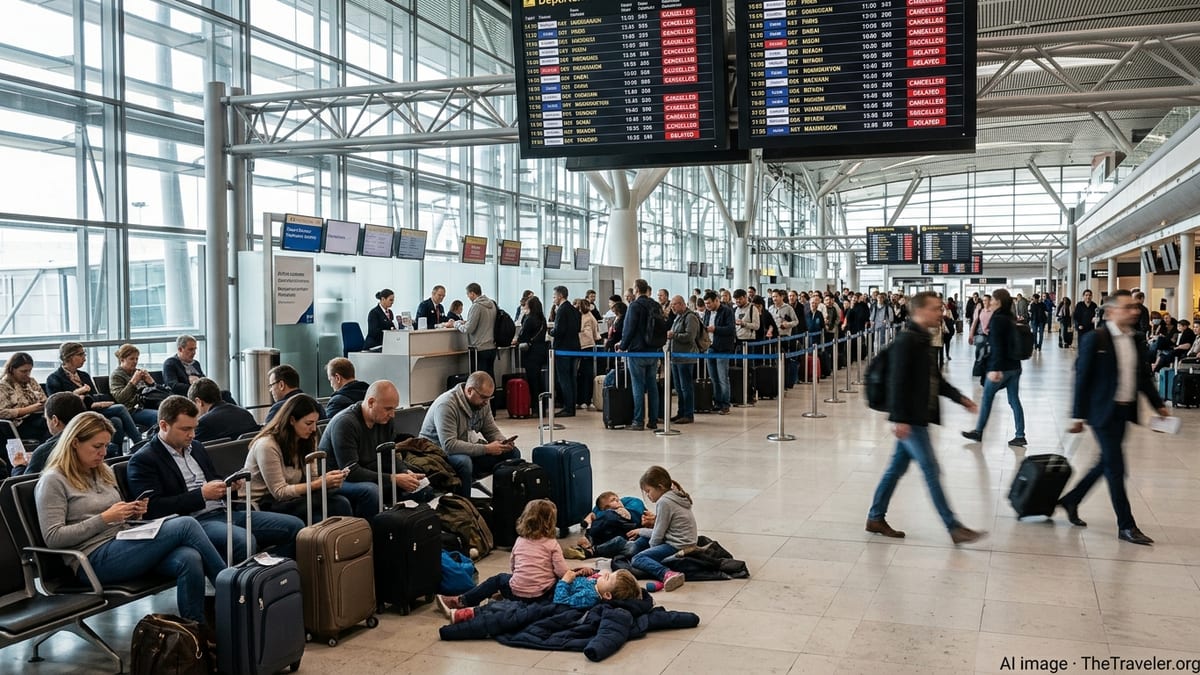
Heightened alerts follow violent protest day across France
Publicly available information from European outlets indicates that a coordinated protest day on 17 October 2026 led to violent incidents in a number of French cities, prompting foreign ministries to reassess the risk profile for travelers. Reports describe property damage, scattered looting and confrontations with security forces in parts of Paris and several regional centers, although daily life and transport continued to function in most districts.
Germany’s Federal Foreign Office revised its online travel and security advice for France on 18 October 2026, emphasizing that further demonstrations and possible unrest in the coming days cannot be ruled out. The advisory highlights that protests, even when announced as peaceful, can escalate quickly and advises visitors to remain vigilant, monitor local media and avoid large gatherings.
Accounts shared by travelers and local residents on public forums over the weekend point to a clear distinction between central protest routes, where tension and isolated violence occurred, and surrounding neighborhoods where cafés, museums and shops largely remained open. However, disruptions to tram and metro services were reported near some demonstration routes, underlining the potential for localized impact on visitor itineraries.
US keeps Level 2 advisory, stresses risk from unrest and terrorism
The United States has maintained its Level 2 “Exercise increased caution” advisory for France, first issued in May 2025 and still in effect as of late October 2026. The travel notice cites the dual risks of terrorism and unrest, describing France as a destination where large demonstrations are frequent and can sometimes lead to confrontations or property damage.
The advisory notes that pickpocketing and phone theft are common in transport hubs such as airports, railway stations and metro systems, particularly in Paris and other major tourist centers. Travelers are urged to keep valuables secure, remain alert in crowded areas and be prepared for heavier security presence at major attractions, shopping areas and public events.
Guidance for US citizens also underscores the importance of steering clear of demonstrations, even when they appear peaceful, because of the possibility of clashes, use of crowd-control measures and sudden changes to public transport operations. Travelers are encouraged to check official updates on the day of travel, enroll in available notification systems for security alerts and keep sufficient time buffers between city transfers, airport journeys and booked activities.
Germany and UK highlight demonstrations and transport disruption
Germany’s updated France advisory, reflected in changes published on 18 October 2026, singles out the 17 October protest day as a trigger for renewed caution. The text points to violent incidents at several protest locations and warns that follow-up actions by the same groups remain possible. German travelers are advised to behave prudently, avoid protest routes and respond promptly to instructions given in public announcements or by local transport operators.
In the United Kingdom, the Foreign, Commonwealth and Development Office continues to classify France as a destination where travel is permitted but requires careful planning. The most recent update to its France travel advice, dated August 2026 and still listed as current on 19 October 2026, focuses on general safety and security, including the risk of wildfires in some regions and the impact of industrial action or protests on rail and metro services.
Although the latest British guidance does not introduce a new warning level specifically in response to the October unrest, it reiterates longstanding recommendations that visitors check local information on strikes and demonstrations, especially in Paris and other large cities. Travelers arriving at peak times are advised to allow extra time for airport transfers and rail journeys in case marches or police cordons alter normal traffic patterns.
China and other countries advise vigilance but stop short of bans
Chinese travel notices monitored in recent days have not imposed blanket restrictions on leisure travel to France but reference current protest activity when describing the security situation. Publicly accessible summaries of China’s overseas safety messaging indicate a focus on personal protection, advising citizens to stay informed about local developments, reduce non-essential time in crowded areas and avoid known protest sites.
Similar language appears in advisories issued by several other countries, which emphasize that France remains open for tourism while urging heightened situational awareness. Rather than discouraging all travel, these notices generally frame the current environment as one in which itineraries may need to remain flexible, with the possibility of last-minute changes to routes, opening hours or scheduled events if large demonstrations are announced.
Across these various advisories, there is a consistent emphasis on the need for travelers to carry valid identification, keep digital copies of key documents and maintain updated contact details with their respective embassies or consulates in case additional safety messages are issued.
What visitors to France should watch for now
For travelers with upcoming trips to Paris, Lyon, Marseille or other French cities, the latest guidance from foreign ministries points to a set of recurring themes. Visitors are encouraged to check national travel-advice portals on the day of departure, paying particular attention to any references to planned protest days, major political events or large-scale sporting fixtures that might draw crowds into central areas.
Once in France, staying informed through local news outlets and official city or transport operator channels can help travelers steer clear of affected districts during marches or rallies. Many demonstrations are pre-announced and follow predictable routes along major boulevards, which means they can often be avoided with modest adjustments to sightseeing plans or restaurant bookings.
Travelers are further advised to remain aware of their surroundings in busy locations such as main railway stations, popular monuments and large shopping streets, where both petty crime and crowding can increase during days of political tension. Keeping bags closed and in sight, using hotel safes where available and avoiding the display of high-value items are all highlighted as practical measures that can reduce risks.
Despite the heightened tone of recent advisories, there has been no broad call for tourists to cancel trips to France altogether. Instead, the prevailing message from the United States, China, Germany, the United Kingdom and other governments is that visitors should proceed with extra caution, especially around demonstrations and at peak travel times, while continuing to make use of France’s extensive transport network and cultural attractions with an added focus on personal safety and real-time information.