


More news on this day
A freight train struck a cargo truck near Pulaski Highway, disrupting road and rail traffic in the surrounding area and drawing renewed attention to safety at busy highway‑rail crossings serving freight corridors.
Get the latest news straight to your inbox!
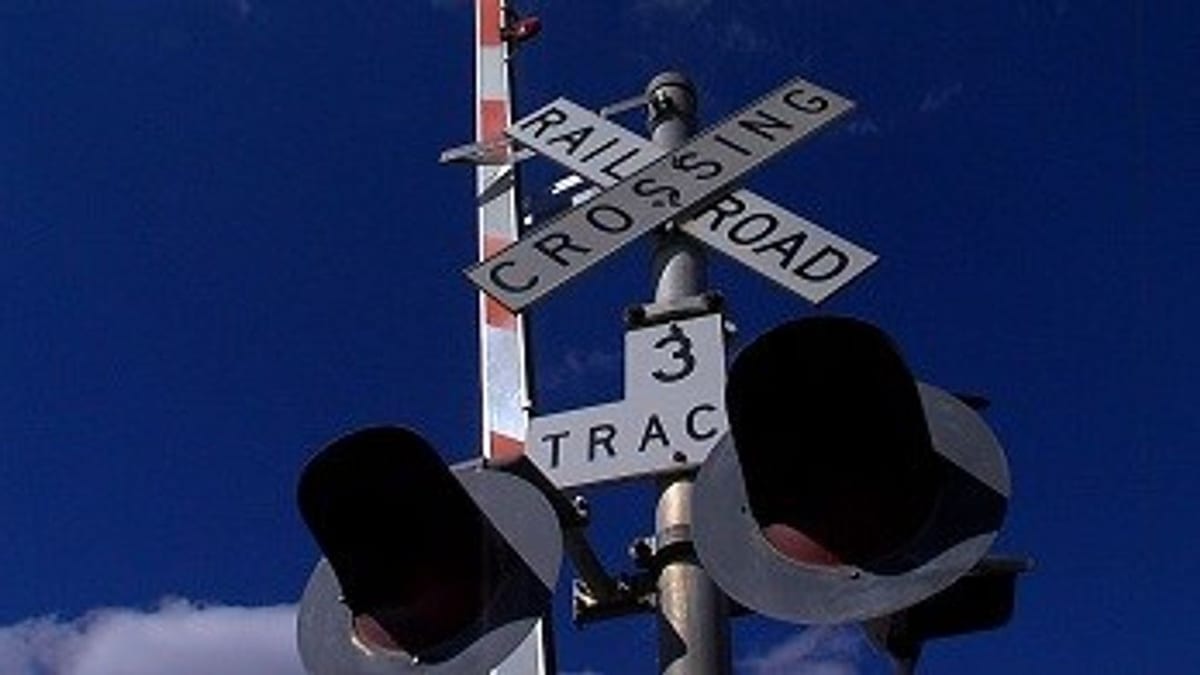
Collision near key freight artery disrupts traffic
Early reports indicate that the crash occurred at a grade crossing close to Pulaski Highway, a major commercial route lined with warehouses, distribution centers, and light industrial sites. The collision involved a freight consist hauling mixed cargo and a roadgoing truck configured for commercial freight, commonly used to move pallets, containers, or other general goods between nearby facilities.
Publicly available information suggests that the train struck the truck as it occupied the crossing, heavily damaging the road vehicle and forcing a precautionary halt to rail movements along the affected segment. Initial assessments describe debris scattered across the right of way and portions of the adjacent roadway, requiring a careful clearance operation before traffic could resume.
Road traffic along and around Pulaski Highway experienced significant delays as emergency crews and railroad response teams worked to secure the scene. Drivers were diverted to parallel routes while rail dispatchers held or rerouted freight movements until the tracks and signaling equipment could be checked.
There were immediate concerns about potential hazardous materials, given the mix of freight that routinely moves by rail and truck through the corridor. Early indications point to standard commercial cargo rather than specialized dangerous goods, yet responders treated the site with caution until manifests and truck documentation could be fully reviewed.
What early information suggests about the impact
Based on patterns seen in similar highway‑rail incidents, the force of impact likely destroyed the truck’s trailer structure and may have damaged at least the lead portions of the freight consist. Even when a train does not derail, couplers, underframes, and braking gear can require inspection and repair after striking a road vehicle, which prolongs service interruptions.
Railroad and highway operators typically respond to such collisions by isolating the section, inspecting tracks and signaling, and, if necessary, arranging replacement locomotives or railcars. Those procedures can delay subsequent freight trains and, where lines are shared, any scheduled passenger services. Travelers planning to move through the area by rail are often advised to monitor operator alerts until normal timetables are restored.
On the highway side, the priority is to remove wreckage while preserving enough evidence for investigators to reconstruct the sequence of events. That can include mapping skid marks, examining warning devices at the crossing, and reviewing any available video from nearby businesses or locomotive‑mounted cameras. Until that work is complete, lanes may remain partially closed, extending congestion beyond the immediate vicinity of Pulaski Highway.
In freight‑intensive corridors, even a single crossing blockage during peak hours can ripple outward, affecting delivery windows for shippers and forcing logistics companies to resequence loads. Local businesses that depend on just‑in‑time deliveries may experience short delays while the network adjusts.
Highway‑rail crossings under renewed scrutiny
The incident near Pulaski Highway comes amid long‑running national efforts to reduce collisions between trains and road vehicles. Federal data show that truck‑related crashes at crossings, while a small fraction of overall truck traffic, often result in severe damage because of the mass and speed involved on both sides. Freight trains can require a mile or more to stop, leaving locomotive crews with few options once a vehicle is seen on the tracks.
Transportation safety agencies and railroads have promoted a mix of engineering, enforcement, and education to address the risk. Engineering measures can include upgrading passive crossings to active warning systems with lights and gates, improving sight lines by clearing vegetation and repositioning signs, and altering road geometry where steep approaches increase the chance of trailers grounding on the rails.
Enforcement and outreach campaigns target familiar problem behaviors, such as drivers attempting to beat descending gates or queuing over the tracks in heavy traffic. Commercial drivers are routinely reminded that it is safer to wait on the approach than to stop on the rails, even if it means delaying a turn or missing a traffic signal cycle.
In freight corridors similar to the Pulaski Highway area, planners also examine whether truck routes can be shifted, or grade separations built over time, to keep the heaviest road traffic away from the most heavily used rail lines. Such projects are expensive and complex but can eliminate recurring conflict points altogether.
Implications for travelers and freight operators
For motorists using Pulaski Highway and surrounding roads, the immediate effect of the crash is longer travel times and potential detours while cleanup and inspection continue. Navigation apps and local traffic advisories typically flag such incidents quickly, but congestion can persist even after the crossing itself reopens, as backed‑up traffic clears and signals return to normal cycles.
Commercial carriers operating in the corridor may experience knock‑on effects throughout the day as drivers reach maximum on‑duty hours or miss scheduled loading and unloading windows. Some fleets respond by temporarily rerouting trucks away from known rail crossings or adjusting dispatch times to avoid peak flows until confidence in normal operations is restored.
Rail customers whose freight was aboard the involved train can expect investigations into cargo condition and potential insurance claims if loads were damaged on impact. If other trains were held or rerouted, time‑sensitive shipments may arrive later than planned, prompting railroads and shippers to review contingency plans for future disruptions along key industrial routes like Pulaski Highway.
For nearby residents and regular commuters, the collision serves as an unwelcome reminder of the shared space between rail and road infrastructure. Even in regions with long experience of freight operations, rare but high‑consequence events at crossings reinforce the importance of cautious driving where highways and rail lines intersect.
Safety reminders for drivers near rail corridors
While investigators work to understand the precise sequence leading to the crash near Pulaski Highway, transportation agencies consistently highlight a few core practices for drivers. Vehicles should never enter a crossing unless there is enough space to fully clear the tracks on the other side, and drivers should remain alert for trains traveling on less‑frequented lines that might not be front of mind during routine commutes.
Commercial vehicle operators, especially those hauling heavy or low‑clearance trailers, are generally advised to take extra care at crossings with steep approaches or uneven pavement. When in doubt, routing software and state freight maps can help identify preferred truck routes that minimize difficult rail intersections.
For all road users, recognizing that freight trains cannot stop quickly is central to safer behavior. Where crossings lie along busy travel corridors like Pulaski Highway, a brief wait can avert the kind of high‑impact collision that disrupts not only an individual journey but the broader flow of people and goods through the region.