


More news on this day
Travelers moving through Japan’s major airports are facing fresh disruption as a new wave of flight cancellations by Jetstar, KLM, Hong Kong Airlines, Japan Airlines and other carriers affects routes linking Amsterdam with Tokyo, Osaka, Fukuoka, Okinawa, Hokkaido and additional domestic and regional destinations.
Get the latest news straight to your inbox!
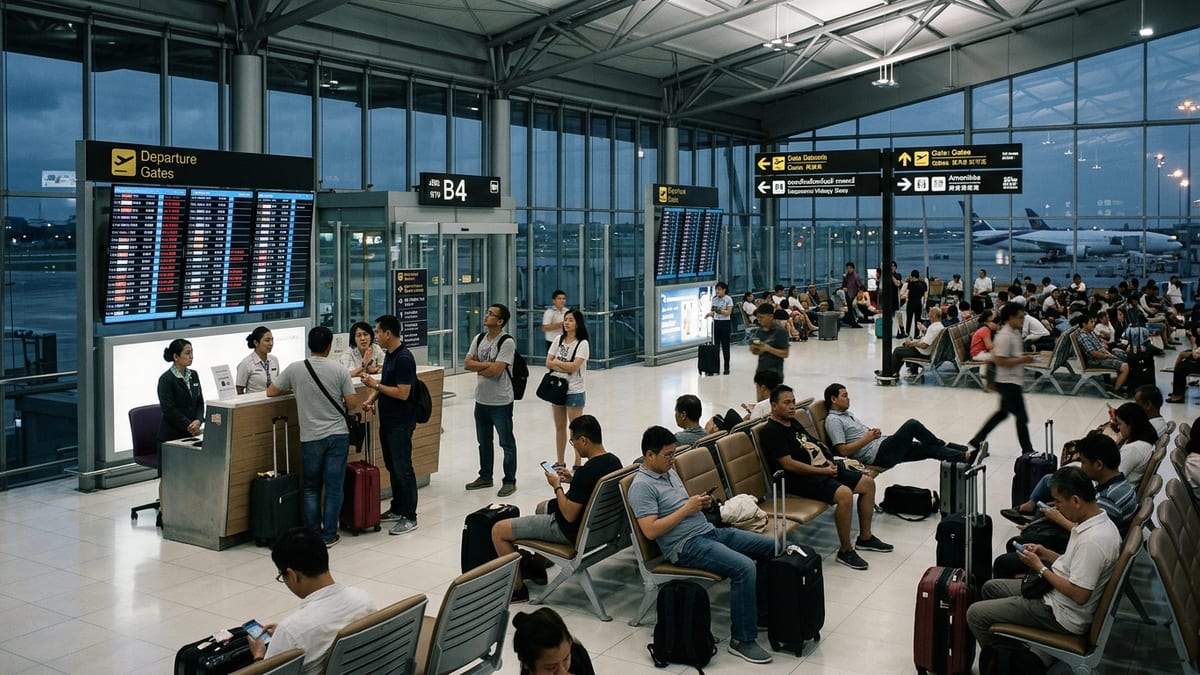
Latest Cancellations Hit Key Gateways Across Japan
Publicly available operational data and recent industry coverage indicate that at least a dozen flights serving Japan’s busiest hubs have been cancelled in the past several days, compounding a pattern of delays that has built through May. The impact is most visible at Tokyo’s Haneda and Narita airports, along with Osaka Kansai, Fukuoka and Sapporo’s New Chitose, where earlier disruptions already produced hundreds of delays and a smaller cluster of cancellations.
Low cost carrier Jetstar Japan, which connects major cities such as Tokyo, Osaka, Fukuoka and Sapporo, has seen multiple services scrubbed from its late May schedules, affecting north–south domestic links that many travelers use as feeders to long haul flights. Tracking data shows selected flights on routes such as Sapporo to Fukuoka being removed or altered at short notice, leaving passengers rebooked on later departures or routed via Tokyo.
Japan Airlines and Hong Kong Airlines have also been touched by the latest round of disruption on routes linking Tokyo Narita with other Asian hubs. Flight history for Hong Kong Airlines’ services between Narita and Hong Kong shows irregular departure patterns in recent days, with some services retimed and others absent from live boards that previously listed them, suggesting tactical cancellations in response to operational constraints.
KLM, which operates non stop flights between Tokyo and Amsterdam, has simultaneously continued to adjust parts of its European and intercontinental network, with recent cancellations on other routes feeding concern among travelers booked on Japan services. While long term schedules still show daily operations between Narita and Amsterdam, the broader pattern of selective cancellations has led many passengers to monitor flight status more closely before heading to the airport.
Amsterdam Link Under Scrutiny as KLM Adjusts Network
The Amsterdam connection is a particular focus for affected travelers, as KLM’s Narita–Amsterdam service functions as a key bridge between Japan and Europe. Schedule information for this route indicates that the airline continues to plan regular departures, but consumer flight tracking tools and compensation platforms highlight a rising number of KLM cancellations across its global network during May, especially within Europe.
Recent examples include cancelled services between Amsterdam and other regional hubs, as well as long haul flights from Asia and the Middle East. Although not all of these involve Japan directly, the cumulative effect is to reduce connection options for travelers flying between Amsterdam and Japanese cities, especially when a cancelled European feeder flight causes missed onward departures to or from Tokyo.
Travel rights services have reported a noticeable uptick in KLM flights flagged as cancelled, underlining how quickly travelers’ plans can be disrupted even when their long haul sector remains scheduled. Passengers have shared experiences of last minute changes, including rebookings several days later on alternative carriers, illustrating the knock on effects when disruptions at Amsterdam ripple into Asia bound itineraries.
Against this backdrop, passengers booked on Japan–Amsterdam routes are being urged by travel advisers to reconfirm their journeys frequently on airline apps and to allow additional time at departure airports. KLM’s own Japan information pages continue to highlight congestion at security checkpoints and encourage early arrival, reinforcing the impression of a strained operating environment on both ends of the route.
Domestic and Regional Routes: Jetstar, JAL and Hong Kong Airlines
Within Japan, the brunt of the current disruption is falling on domestic and short haul regional services that feed larger international flights. Jetstar Japan’s network, which links Tokyo Narita and Osaka Kansai with destinations including Fukuoka, Okinawa and Hokkaido, has experienced a series of schedule changes coinciding with its broader transition away from the Jetstar brand following a shareholder shake up earlier this year. Industry reporting notes that the carrier has been refining both domestic and international schedules, which has included targeted cancellations on less heavily trafficked rotations.
Flight data for routes between Fukuoka and Sapporo, as well as other city pairs used by leisure travelers bound for beach resorts in Okinawa or ski areas in Hokkaido, show periods in late May where Jetstar services are removed from weekly timetables or listed as cancelled. These removals reduce flexibility for travelers hoping to pivot to alternative times on the same day, particularly in markets where competing low cost capacity is limited.
Japan Airlines, which maintains a broad domestic and international footprint, appears to have been impacted more by delays than outright cancellations in the most recent disruption wave, though earlier in May its operations were listed among those contributing to the high volume of delayed movements at major Japanese hubs. As a result, travelers using JAL to connect from regional cities to long haul partners in Tokyo and Osaka are still advised to build in longer transfer times where possible.
On the regional side, Hong Kong Airlines’ corridor between Hong Kong and Tokyo Narita has been under close watch. Recent flight history shows departures operating with irregular timing and gaps in daily patterns, indicative of schedule trimming or ad hoc cancellation decisions. These changes affect not only point to point traffic but also connecting passengers using Hong Kong as a stopover between Japan, Southeast Asia and other parts of China.
Knock On Effects for Osaka, Fukuoka, Okinawa and Hokkaido
Osaka Kansai, Fukuoka Airport and regional gateways in Okinawa and Hokkaido are seeing the indirect consequences of the latest cancellations even when their own boards do not show the largest number of scrapped flights. When an Amsterdam feeder or a trunk domestic route is removed, travelers based in these cities often find that their onward options through Tokyo or Osaka are significantly narrowed.
For example, passengers originating in Sapporo or Fukuoka and connecting via Tokyo Narita to long haul KLM or Japan Airlines flights may face involuntary rerouting if either the domestic leg or the international sector is cancelled. In such cases, rebookings can push itineraries onto later dates, reroute them through alternative European hubs, or strand them in Tokyo overnight when the final connection of the day is lost.
In Okinawa, where leisure travel demand remains strong, reductions in low cost carrier capacity can quickly translate into higher loads and fewer available seats on remaining flights. This dynamic makes it harder for disrupted passengers to find same day alternatives at reasonable prices. Travel advisers in the region have noted that holidaymakers heading for resort islands are particularly vulnerable to such capacity squeezes during peak weekends.
Similar pressures are visible in Hokkaido’s gateway airports, where domestic capacity is heavily seasonal. With late spring and early summer drawing more visitors to Sapporo and surrounding areas, even a modest number of cancellations on key city pairs can trigger long waits for open seats, especially on routes that rely on a single primary carrier.
What Travelers Can Do Amid Ongoing Disruptions
With cancellations and delays affecting multiple airlines and routes in and out of Japan, travel experts recommend a proactive approach for anyone flying in the coming days. Checking flight status repeatedly in the 24 hours before departure and again before leaving for the airport can provide early warning of schedule changes, giving passengers more time to request rebooking options.
Many carriers, including KLM, Japan Airlines, Jetstar and Hong Kong Airlines, provide self service tools through their websites and mobile applications that allow travelers to change flights, request vouchers or initiate refund claims when cancellations occur. Publicly available guidance from these airlines stresses the importance of ensuring that contact details in bookings are up to date so that disruption notifications can reach passengers quickly.
Travel planners also suggest building greater flexibility into itineraries that depend on intercontinental connections. This can include scheduling longer layovers between domestic and long haul flights, avoiding the last departure of the day on critical sectors when possible, and considering travel insurance products that cover missed connections and extended delays.
While the current wave of cancellations affecting Amsterdam, Tokyo, Osaka, Fukuoka, Okinawa, Hokkaido and other routes may ease as carriers stabilize their late May operations, the recent pattern underlines how exposed tightly timed itineraries remain to sudden schedule shifts. For now, vigilance, buffer time and a clear understanding of rebooking options remain the best tools for travelers navigating Japan’s busy air corridors.