


More news on this day
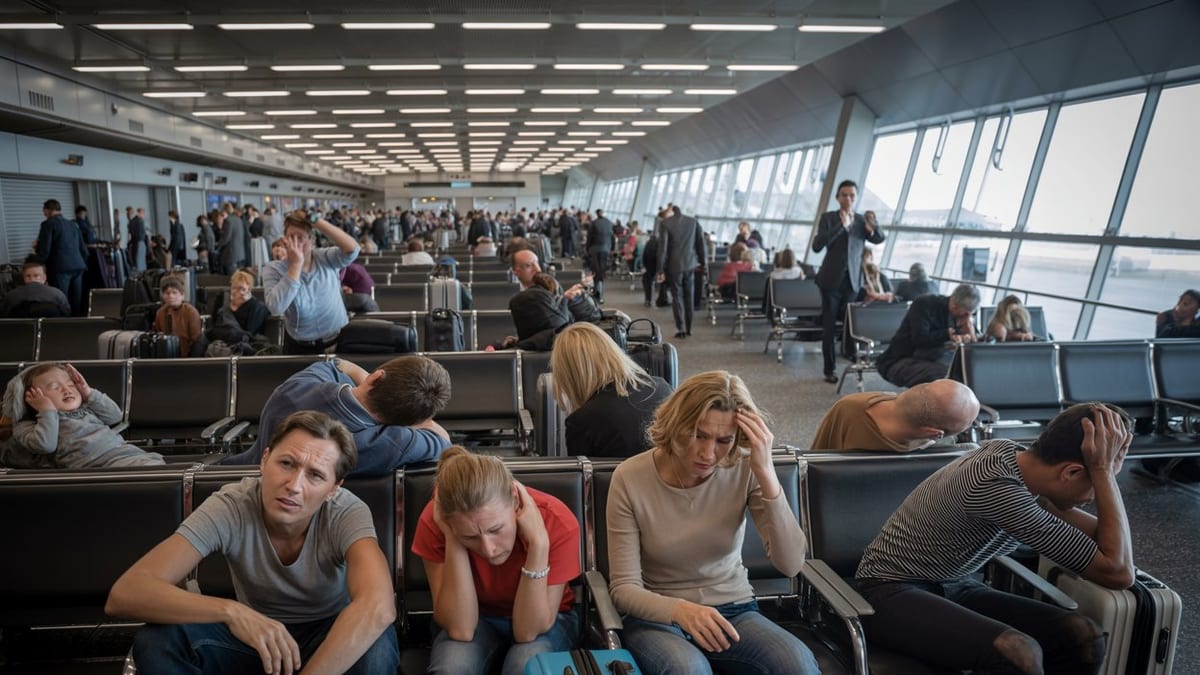
More than 1,000 Thai Airways passengers were stranded at Bangkok’s Suvarnabhumi Airport on September 30 after the flag carrier slashed services amid ongoing disruption triggered by severe flooding and staffing shortages in the Thai capital.
Get the latest news straight to your inbox!
Sharp flight reductions trigger transit chaos
Publicly available information from Airports of Thailand and local media indicates that Thai Airways cancelled around 75 flights on September 30 alone, a mix of domestic and international services. The cuts formed part of a wider reduction in departures from Bangkok that began on September 29 and is currently scheduled to continue through October 1.
Reports in Thai and regional outlets describe more than 1,000 transit passengers stuck inside Suvarnabhumi’s terminal as of the evening of September 30. Many were left in limbo after learning of cancellations only on arrival in Bangkok, with onward connections suddenly removed from departure boards.
The disruption has been concentrated on itineraries that rely on Bangkok as a regional hub. Passengers connecting between Europe, Australia and destinations in East or Southeast Asia have reported missed onward flights, long queues at transfer desks and uncertainty over when alternative services will be available.
Operational notices published on Thai Airways’ own channels confirm a rolling list of cancellations between September 29 and October 1, including both regional routes and long-haul services. The airline has advised passengers to monitor flight status closely and contact its call centres for rebooking, but high demand has made those channels difficult to access at times.
Flooding and staff shortages behind the disruption
The immediate trigger for the flight cuts lies outside the terminal. Days of heavy rainfall have brought extensive flooding to Bangkok and surrounding provinces, affecting road access and residential areas where many aviation workers live. According to published coverage, hundreds of ground-handling staff, baggage workers and other support personnel have struggled to reach Suvarnabhumi on time, or at all.
Thai Airways has publicly linked the crisis to this acute manpower shortage, explaining that essential ground activities such as baggage loading, cargo handling and catering have been severely constrained. Because the airline performs a large share of its own ground operations at Suvarnabhumi, the impact of staff absences has been more intense than for some foreign carriers that outsource or reduce their on-the-ground footprint.
This staffing shock has come on top of sustained pressure on the airport’s infrastructure. In recent days, local media and passengers have documented long lines at check-in and security, crowded boarding areas and heavily loaded baggage carousels. The combined effect has been to push Suvarnabhumi’s hub operations beyond their practical capacity, prompting Thai Airways to trim departures by an estimated 30 to 40 percent in an effort to stabilize services.
Airports of Thailand and government agencies have responded by sending additional personnel, including teams from the Royal Thai Air Force, to assist with on-the-ground tasks. Their role has included helping to move luggage, support passenger flows and relieve pressure on existing airport staff while floodwaters persist in the wider metropolitan area.
Baggage backlog deepens passenger frustration
The surge of cancellations has coincided with a severe baggage-handling backlog that began several days before the latest flight cuts. Publicly available statements from Thai Airways describe more than 5,000 pieces of luggage left undelivered at one point, with some passengers waiting many hours at carousels or leaving the airport without their bags.
Social media posts and traveller accounts from the past week depict scenes of crowded baggage halls, with suitcases stacked around belts and passengers attempting to locate their belongings amid partial information. Some long-haul arrivals reported waiting five to six hours for luggage, while others were advised to file missing-bag reports and depart the terminal with only hand baggage.
In response, the airline has introduced special registration channels for affected customers and set a target to clear the backlog within 72 hours. Public information shows that luggage delivery partnerships have been arranged with multiple courier services, including Thailand Post, to get delayed bags to local addresses once they are recovered and sorted.
For transit passengers, however, baggage complications have posed an added layer of difficulty. Travellers missing onward flights not only require new itineraries but also face uncertainty about where their checked luggage will end up in the system, particularly when rebooked onto other airlines or alternative routings away from Bangkok.
Extended knock-on effects for regional and long-haul routes
Thai Airways’ operational updates list cancellations and schedule changes across a wide range of destinations. On September 30, the carrier removed dozens of flights to and from cities in East Asia, South Asia and within Thailand, and additional cancellations have been announced for October 1, including several European services.
As a result, disruption has spread well beyond Bangkok. Airports in cities such as Chiang Mai, Phuket and regional hubs in neighbouring countries have reported Thai Airways services operating with significant delays or not at all, according to regional news coverage and airport information boards. Passengers departing from overseas locations have also faced last-minute schedule changes as aircraft and crew are repositioned.
Travel-industry reports note that some affected travellers have managed to secure seats on other carriers, particularly on domestic sectors where alternative airlines such as Bangkok Airways and low-cost operators maintain frequent services. However, availability on key regional and long-haul routes remains limited on short notice, especially during peak travel periods, leaving many passengers facing unplanned overnight stays and extended itineraries.
Given Bangkok’s role as a major Southeast Asian transit hub, the effect of the flight cuts has rippled through multi-stop journeys that use Suvarnabhumi as a connecting point. Itineraries that previously relied on short transfer windows have become particularly vulnerable, with even minor delays translating into missed connections while the current disruption continues.
What affected travelers should know right now
As of September 30, publicly available information indicates that Thai Airways is still adjusting its schedules day by day, with further changes possible through at least October 1. Travellers booked to fly via Bangkok in the coming days are being urged by official advisories and news coverage to check their flight status frequently rather than relying solely on original booking confirmations.
For those already stranded at Suvarnabhumi, airport announcements and reports from passenger groups suggest that rebooking is being handled primarily at transfer and ticketing counters inside the terminal. Queues can be lengthy during peak hours, and some travellers have reported faster progress by contacting the airline’s call centre or online support where connections are available, although those channels are also experiencing heavy demand.
Accommodation and meal support policies appear to vary by ticket type, route and point of purchase. Public statements emphasize that affected passengers should retain boarding passes, baggage tags and any receipts for incidental expenses, as these documents are often required when seeking reimbursements or future travel credits from airlines or travel agencies.
With flooding still affecting parts of Bangkok and its suburbs, transport to and from the airport can also take longer than usual. Travellers heading to Suvarnabhumi over the next few days are therefore advised in local advisories and media coverage to allow extra time for road travel, be prepared for potentially long check-in and security lines, and keep essential medications, valuables and a change of clothes in hand luggage in case of unexpected overnight delays.