


More news on this day
Rail passengers across Lancashire and Greater Manchester are being warned of cancellations, delays and short-notice alterations on Northern services as slippery rail conditions affect routes into and around Manchester on Thursday 29 October.
Get the latest news straight to your inbox!
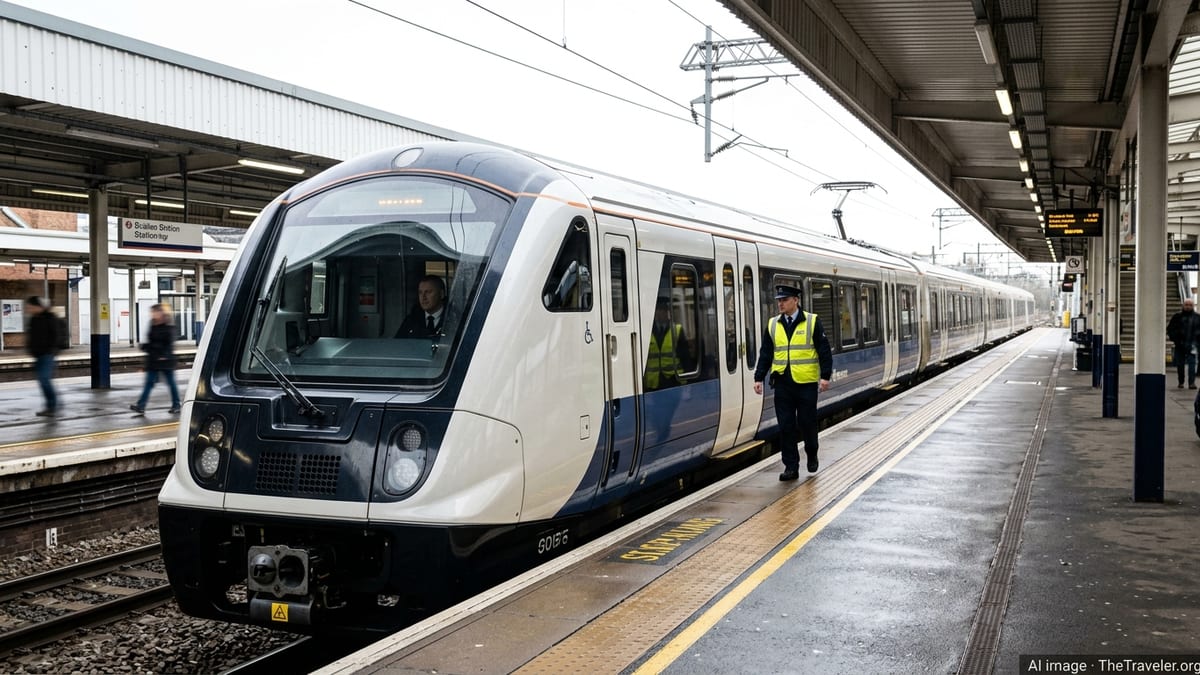
Slippery rails trigger widespread alterations on Northern network
Publicly available service updates from Northern show multiple cancellations and timetable changes on 29 October across routes linking Manchester with Rochdale, Blackburn and other towns in Lancashire. Several early morning services between Manchester Victoria and Rochdale, as well as trains from Blackburn towards Greater Manchester, are listed as cancelled due to slippery or forecasted slippery rails.
On its live disruption pages, Northern describes train services across parts of its network as subject to delay and cancellation because of low adhesion between wheel and rail. In a number of cases, trains are either removed completely from the timetable or altered so that portions of the route do not run, concentrating resources on the busiest core sections into Manchester.
The disruption comes toward the end of a week in which autumn weather and recent storms have already placed sustained pressure on rail infrastructure in the North West, particularly around Lancashire, Cumbria and the Manchester commuter belt. Reports indicate that conditions on some lines are varying through the day, with services sometimes able to operate in one peak period but not another as railhead conditions change.
Leaf mulch and autumn storms behind low-adhesion conditions
According to technical briefings on rail operations, slippery rails are a seasonal problem caused when fallen leaves and other organic material are crushed onto the track by passing trains. The resulting residue forms a low-friction coating on the railhead, making it harder for trains to accelerate and significantly increasing braking distances.
This autumn, the issue has been intensified in the North West by unsettled conditions linked to recent storms, which have brought strong winds and heavy rain to Lancashire, Cumbria and Greater Manchester. Network Rail advisories for the region in the days leading up to 29 October highlighted the risk of debris on the line and poor railhead conditions, prompting calls for passengers to check journeys before travel and, at times, to avoid non essential trips on the busiest interurban corridors.
Rail industry information explains that drivers must adopt more cautious driving techniques in these circumstances, including slower approaches to stations and signals. While this improves safety, it also lengthens journey times and can quickly create knock-on delays across a dense timetable such as that around Manchester, where multiple operators share key junctions and station approaches.
Impact on key Lancashire and Greater Manchester commuter routes
Northern’s latest service updates list disruption across several important commuter routes feeding into Manchester from Lancashire. Services running between Blackburn, Rochdale and Manchester Victoria are among those most affected, with individual trains on 29 October either cancelled outright or replaced by altered workings that miss out certain intermediate sections.
Passengers on the Calder Valley corridor, which links towns such as Halifax, Hebden Bridge and Rochdale with Manchester, are also advised that some trains may be cancelled or run with fewer carriages than planned. This can lead to busier trains on services that do operate, particularly in the morning and evening peaks, and may require travellers to stand for part or all of their journey.
Travel advisers for the Greater Manchester area are also drawing attention to planned engineering work during the same period, including overnight and early morning changes on lines between Manchester Victoria and Smithy Bridge. When combined with slippery rail conditions, these projects further constrain capacity and limit the ability of operators to recover from delays once they have occurred.
Ticket acceptance and options for affected passengers
Northern’s disruption information states that customers holding tickets for cancelled services can use other Northern trains within a defined time window. In addition, passengers are being allowed to board selected services run by TransPennine Express and East Midlands Railway, typically within two hours before or after the booked departure time of the cancelled Northern train on the same general route.
For travellers needing to replan at short notice, journey planners and station departure boards are being updated throughout the day to reflect the latest cancellations and alterations. Public information services stress the importance of checking trains immediately before setting out, as slippery rail conditions can change rapidly and lead to late operational decisions.
Under Northern’s Delay Repay scheme, passengers whose journeys are extended by at least 15 minutes compared with the timetable can submit a claim for compensation. Guidance published by the operator advises customers to keep hold of their tickets or booking confirmations and apply online once the extent of their delay is known.
How rail operators tackle slippery rails in the North West
Rail maintenance teams in the North of England deploy a combination of railhead treatment trains, vegetation management and on board technology to limit the impact of low adhesion. Network Rail describes how specialist trains use high pressure water jets to strip leaf mulch from the top of the rails, sometimes followed by the application of sandite, a mixture designed to improve grip between wheel and rail.
Operators including Northern also fit many of their trains with sanders, equipment that drops controlled amounts of sand onto the rail in front of the wheels when low adhesion is detected. Industry commentary notes that this technology, combined with modern wheel slide protection systems, helps reduce the risk of wheels locking and developing flat spots during braking.
Despite these measures, rail business reports and performance data from previous autumns show that the combination of heavily used commuter routes, dense tree cover and complex junction layouts around Manchester and across Lancashire makes the region particularly sensitive to slippery rail conditions. As the leaf fall season continues into November, passengers are being advised to expect further short notice changes on days when conditions on the network deteriorate.