


More news on this day
Updated UK travel warnings for Gulf destinations are sharpening scrutiny of Formula 1’s final races of 2026 and reigniting debate over whether security and human rights concerns could yet force changes to the sport’s presence in the region.
Get the latest news straight to your inbox!
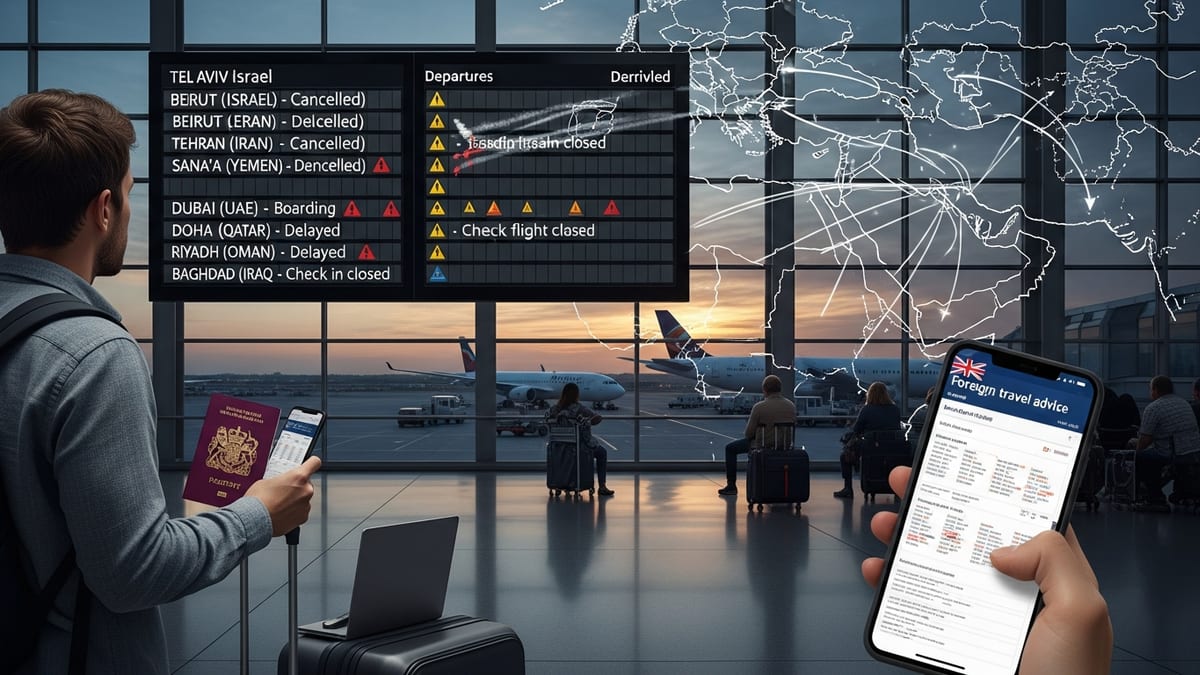
Heightened UK Guidance for Qatar and UAE Ahead of Season Finale
Recent updates to United Kingdom foreign travel advice for Qatar and the United Arab Emirates underline what officials describe in public documents as an unpredictable security picture across the wider Gulf, including the risk of flight cancellations, temporary airspace closures and rapidly changing local restrictions. The Foreign, Commonwealth and Development Office pages for both countries continue to note the possibility of disruption linked to regional tensions and advise travellers to stay alert to short-notice operational changes affecting air travel and public events.
Those warnings come with particular resonance for motorsport as Qatar’s Lusail circuit and Abu Dhabi’s Yas Marina track are scheduled to host the final two Formula 1 races of the 2026 season, on 29 November and 6 December respectively, according to specialist coverage of the current calendar. Reports indicate that, despite months of instability following conflict involving Iran and Western powers, both events remain on the schedule, though the landscape for large-scale gatherings in the Gulf is being closely monitored by organisers and governments.
While the UK government has not issued a blanket instruction against travel to either Qatar or the UAE, the language on potential disruption is being taken seriously by tour operators and ticketed fans. Industry guidance from organisations such as ABTA now prominently directs travellers heading to or transiting through Gulf hubs to consult official country pages before departure and to keep checking them up to the day of travel, reflecting the possibility that aviation and security decisions could shift quickly.
For British Formula 1 followers, many of whom route through Doha or Dubai even when attending races elsewhere in the region, the practical implications range from the risk of missed connections and re-routed flights to changes in insurance coverage if FCDO advice were to harden. The prominence of these warnings has fuelled discussion about how much turbulence the sport’s end-of-year schedule can tolerate before race contracts are revisited.
Recent Cancellations Highlight Formula 1’s Gulf Vulnerability
The current anxiety is sharpened by this year’s precedent. In March and April 2026, Formula 1 and governing body FIA confirmed that the Bahrain and Saudi Arabian Grands Prix would not take place on their original April dates, citing safety concerns linked to the Iran conflict and associated travel shutdowns that were affecting major Middle Eastern hubs. That decision followed an earlier period in which the sport appeared to delay a final call while monitoring diplomatic and security developments, before concluding that conditions were not compatible with staging back-to-back events in Sakhir and Jeddah.
Published statements from Formula 1 leadership framed the decision as difficult but necessary in light of the regional situation, and official communications outlined how restrictions on airspace and the risk of escalations had already disrupted movements of teams and freight earlier in the year. The cancellations, along with speculation about potential replacement venues in Europe or Asia, illustrated how quickly the Gulf segment of the calendar can be reshaped when geopolitical events intensify.
For supporters who had already booked travel to Bahrain and Saudi Arabia, the April announcement translated into financial and logistical headaches. Public forum posts and travel community discussions in the months since describe airlines cancelling services shortly after the race decisions were publicised, leaving travellers negotiating refunds and insurance claims. Those experiences are now shaping how some fans approach bookings for the remaining Gulf rounds, with greater emphasis on flexible airfares, hotel reservations with late cancellation windows and comprehensive interruption insurance.
Within the paddock, the 2026 cancellations also revived memories of earlier flashpoints in the region, including a missile attack on an oil facility near Jeddah during the 2022 Saudi Arabian Grand Prix weekend and the initial cancellation of Bahrain’s race during the 2011 uprising. Together, these episodes form the backdrop against which any new official travel warnings from major outbound markets, such as the UK, are being interpreted.
Human Rights Scrutiny Adds Political Edge to Travel Advice
Security is not the only factor amplifying calls for a rethink of Formula 1’s Gulf footprint. Over the past several seasons, British lawmakers and international human rights groups have intensified criticism of events in Bahrain and Saudi Arabia, arguing that races provide reputational cover for governments accused of repressing dissent. A 2024 motion in the UK Parliament, for instance, expressed grave concern about what it described as sportswashing and referred to reports of mass executions in Saudi Arabia and high imprisonment rates, including political detainees, in Bahrain.
Human rights organisations have published detailed briefings ahead of recent Bahrain and Saudi Arabian Grands Prix, asserting that crackdowns on activists and protests often intensify around race weekends. These groups contend that existing contractual human rights clauses between Formula 1 and host promoters are opaque and lack meaningful enforcement mechanisms, and have used public campaigns in London and other European capitals to press teams and sponsors to push harder for reforms.
The UK travel warnings themselves are framed primarily around safety, terrorism risk and regional conflict, rather than civil liberties. However, campaigners argue that the conjunction of heightened security alerts and longstanding rights concerns should prompt a broader review of where and how Formula 1 operates. They point to precedents in other sports where federations have withdrawn or relocated events in response to changing risk assessments and ethical debates.
For British travellers, this mix of security advice and political advocacy can create a complex picture. Some fans say in public forums that they are weighing personal safety, ethical reservations and the financial uncertainty exemplified by this year’s cancellations when deciding whether to attend Gulf races. Travel businesses are similarly having to navigate reputational questions when marketing packages to destinations that are simultaneously flagged in government advisories and under human rights scrutiny.
What UK Travellers Heading to Gulf Races Need to Watch
For now, the Formula 1 season-ending races in Qatar and Abu Dhabi remain on the 2026 schedule, and UK foreign travel advice does not prohibit visits to either host. Nonetheless, the elevated profile of FCDO warnings about possible flight disruptions and sudden changes in local conditions means travellers are being encouraged by industry bodies to build more contingencies into Gulf trips tied to big-ticket events.
Practical recommendations emerging from published guidance and recent traveller experiences include delaying non-refundable bookings for as long as ticket availability allows, opting for airlines and hotels with clear rebooking policies, and checking both UK and destination-country advice regularly in the weeks before departure. Prospective visitors are also advised to monitor local media and event organiser announcements in case new security measures affect stadium access, public transport or curfews.
Insurance is another key consideration. Policy wording often hinges on whether a government has formally advised against travel or whether an event has been officially cancelled, rather than on more general alerts about instability. The 2026 Bahrain and Saudi Arabia race cancellations exposed gaps for some travellers whose cover did not clearly extend to schedule changes stemming from broader regional crises, prompting calls from consumer advocates for clearer explanations of what is and is not protected.
Even if the final Gulf races of 2026 proceed as currently planned, analysts note that Formula 1’s reliance on the region for both hosting fees and airline connectivity leaves it particularly sensitive to any escalation in UK and allied travel warnings. Another shift in government advice, especially one that tightens guidance for Qatar or the UAE, could reignite discussion about whether certain legs of the championship need to be relocated or suspended, putting the sport’s long-term Gulf commitments back under the spotlight.