


More news on this day
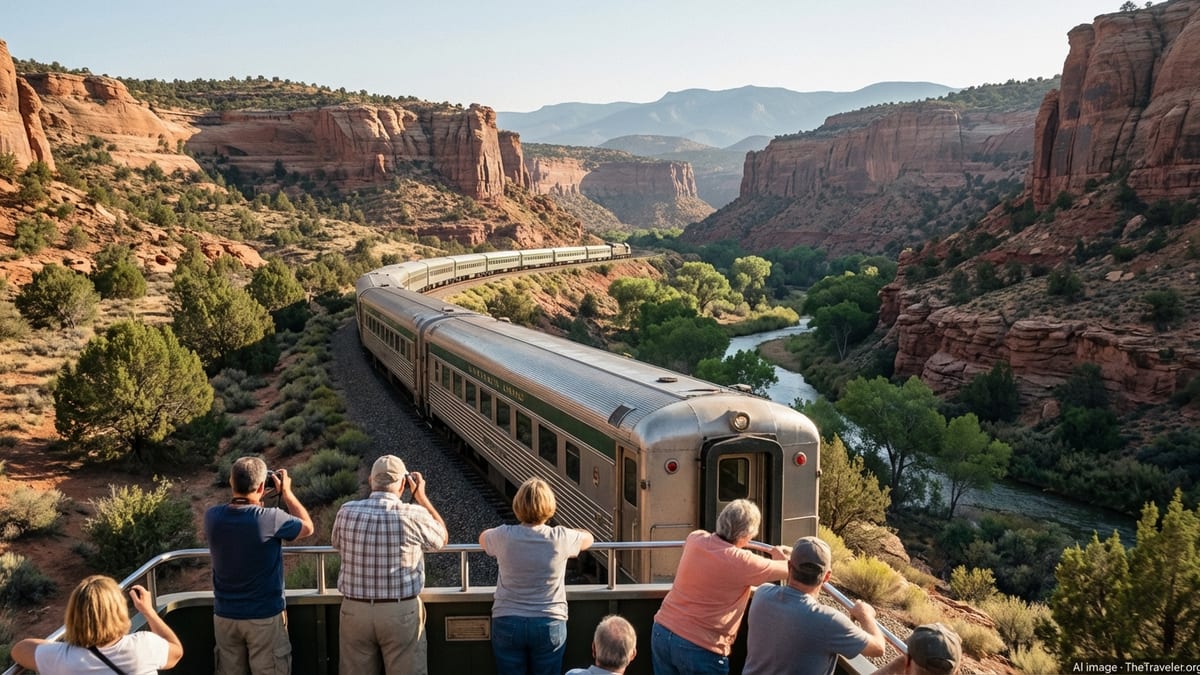
A special train operated by Northern Railway has transported more than 600 stranded tourists and other passengers from Srinagar to Katra, providing a crucial lifeline after days of heavy rain and landslides disrupted the Jammu–Srinagar National Highway and left holidaymakers stuck in the Kashmir Valley.
Get the latest news straight to your inbox!
Highway Disruptions Trigger Emergency Rail Response
The Jammu–Srinagar National Highway has been repeatedly hit by landslides, shooting stones and waterlogging following intense rainfall, halting traffic on the key road link that connects the Kashmir Valley with the rest of India. Reports indicate that the latest spell of bad weather led to a full closure of the route, with hundreds of vehicles and travellers stranded at various stretches.
With long tailbacks and no clarity on when road traffic could resume safely, rail connectivity emerged as the most dependable alternative. Publicly available information shows that Northern Railway moved quickly to introduce a dedicated special service between Srinagar and Shri Mata Vaishno Devi Katra, the railhead serving one of India’s busiest pilgrimage and tourist hubs in Jammu region.
The special train was scheduled as an unscheduled additional service, over and above the regular passenger and Vande Bharat operations already linking the Valley with the Jammu and Katra corridor. Railway control messages cited in local coverage describe the move as a response to an urgent request to clear heavy passenger rush caused by the prolonged highway disruption.
By late evening, the special train had become the primary evacuation channel for tourists who otherwise faced the prospect of waiting days on blocked mountain roads, with hotel capacities in key destinations such as Srinagar, Gulmarg and Pahalgam already stretched by peak-season demand.
More Than 600 Tourists Moved Off The Valley Floor
According to regional news reports, the special Srinagar–Katra service carried more than 600 passengers, many of them domestic tourists whose itineraries were upended by the weather. Several accounts describe platforms in the Valley filling with families seeking seats on any outgoing service after buses and taxis were forced to halt because of blocked stretches on the highway.
The special train’s composition was configured to prioritise seating capacity, allowing railway planners to move a large number of people in a single run. Coverage from Jammu-based outlets notes that the majority of travellers were bound for onward journeys from Katra and Jammu Tawi, including connections towards Delhi, Punjab and other northern states.
The operation followed recent experience with similar contingency services in the region, where special trains have previously been used to move stranded passengers between Katra, Sangaldan, Banihal and Srinagar when severe weather or road accidents paralysed the national highway. This latest deployment underlines how the expanded rail network across Jammu and Kashmir is increasingly being used as an emergency backbone for both residents and visitors.
Travel industry observers point out that, without the rail option, several hundred additional tourists would have remained stuck in mountain resorts and city hotels, potentially facing extended stays, rising costs and uncertainty about access to medical care and supplies in case of further weather-related disruptions.
New Rail Infrastructure Tested Under Stress
The special evacuation train ran over sections of the recently completed Udhampur–Srinagar–Baramulla Railway Link, a line that has transformed movement across the region. The corridor includes the Chenab Rail Bridge, described as the world’s highest railway bridge, and the long Banihal tunnel, both key to providing all-weather connectivity to the Kashmir Valley.
In recent months, the USBRL network has been further integrated into India’s premium services through the introduction and extension of Vande Bharat Express trains linking Srinagar, Katra and Jammu Tawi. Government press releases earlier this year highlighted how these services are intended to cut travel times, ease logistics and support tourism by providing fast, predictable connections across challenging Himalayan terrain.
The latest weather emergency has effectively served as a stress test for this new infrastructure. With road access compromised, the rail line has handled diverted passenger flows that once would have remained entirely dependent on the highway. For travellers caught by the sudden closure, the special Srinagar–Katra train demonstrated how the new link can be flexibly used to meet short-notice surges in demand.
Railway planners are likely to treat data from this operation, including load factors and boarding patterns at intermediate stations, as an important reference for future contingency planning during the monsoon and winter seasons when landslides, snow and avalanches frequently cut road access.
Tourism Season In Kashmir Confronts Climate Risks
The special train’s deployment comes in the middle of a busy summer for Jammu and Kashmir’s tourism industry. The Valley has reported strong visitor numbers to Srinagar’s lakes and gardens, Gulmarg’s trekking and gondola rides, and Pahalgam’s riverfront resorts, while Katra continues to receive large flows of pilgrims heading to the hilltop shrine of Shri Mata Vaishno Devi.
At the same time, this peak season has been marked by several climate and infrastructure-related incidents. Recent weeks have seen intense rainfall episodes across the region, while earlier this summer a major technical fault on the Gulmarg Gondola left hundreds of tourists stranded in mid-air before being rescued. For operators and local businesses, such events highlight the growing vulnerability of mountain tourism to extreme weather and technical stress.
Travel advisories in domestic media increasingly encourage visitors to factor in possible delays, keep flexible return dates and consider rail options where available, especially when planning journeys in and out of the Valley. The experience of tourists who boarded the special Srinagar–Katra train after the highway closure is likely to reinforce the perception that rail offers a more controlled and scalable fallback than long-haul mountain road journeys.
For many of those passengers, the unplanned train ride will become a defining memory of their visit, illustrating both the dramatic landscapes that attract travellers to Kashmir and the logistical challenges of reaching and leaving the high valley during periods of unsettled weather.
Implications For Future Connectivity And Travel Planning
The decision to operate a one-off Srinagar–Katra special underscores how rail connectivity is reshaping emergency transport responses in Jammu and Kashmir. As more of the USBRL corridor comes into regular use, authorities have a stronger toolkit to move people quickly when highways are blocked by landslides, snow or accidents.
Publicly available policy statements suggest that Indian Railways intends to keep refining operational plans for special services during peak pilgrimage seasons and during periods of expected heavy rain or snowfall. This could mean more frequent use of short-notice specials similar to the latest Srinagar–Katra operation, as well as improved coordination with civil administration to shift stranded road passengers to nearby railheads.
For travellers, the episode serves as a reminder to build redundancy into itineraries. Tourism planners advise checking both road and rail status before departure, booking flexible tickets where possible and staying updated on weather forecasts for the Pir Panjal range, where many of the most disruptive landslides originate.
From a broader perspective, the swift mobilisation of the special train carrying more than 600 stranded tourists signals a maturing transport ecosystem in the region. With rail, road and air links gradually knitting together, Kashmir’s tourism economy is gaining new buffers against disruption, even as climate volatility and surging visitor numbers continue to test the system’s resilience.