


More news on this day
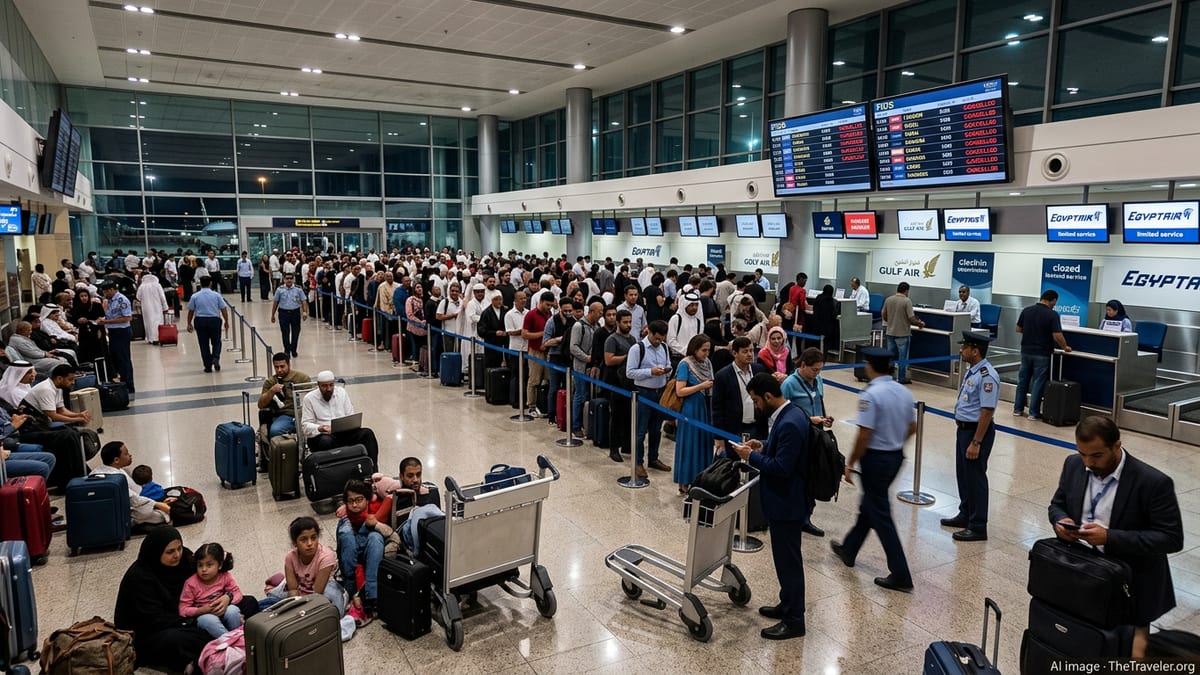
Travelers at El Alto International Airport in La Paz, Bolivia, faced hours of uncertainty on June 8 as four flights were delayed and three canceled, stranding passengers and disrupting connections across the country and on regional routes.
Get the latest news straight to your inbox!
Cluster of Disruptions Hits High-Altitude Hub
According to real time flight tracking data and local media coverage, a mix of domestic and international services out of La Paz encountered significant disruption on Sunday. At least four departures from El Alto International were reported delayed, including services to Cobija and Santa Cruz, while three flights were canceled, affecting both internal links within Bolivia and onward connections to neighboring countries.
Publicly available tracking information for Boliviana de Aviación showed schedule changes on several routes touching La Paz, with departure times pushed back by more than an hour in some cases and other services removed from the day’s operating plan. Regional carriers serving the La Paz to Santa Cruz corridor and onward international links also adjusted their timetables, reducing options for travelers seeking to leave the administrative capital.
For many passengers, the impact was immediate. Those booked on early morning departures faced long waits in terminal areas as departure boards updated repeatedly, while travelers aiming to connect through larger hubs such as Santa Cruz and onward to other South American cities were forced to rebook itineraries at short notice or remain temporarily in La Paz.
The disruption comes at a time when Bolivia’s air network is already under strain, compounding uncertainty for visitors and residents who rely on flights as the most dependable way to move around the country amid ongoing road blockades and civil unrest in several regions.
Fuel Constraints and Cargo Surge Behind Delays
Reports from Bolivian news outlets indicate that the latest wave of delays at El Alto is linked to a combination of jet fuel shortages in La Paz and a sudden increase in air cargo. The state airline Boliviana de Aviación recently acknowledged a buildup of operational pressures associated with higher volumes of checked cargo and freight, particularly food shipments arriving from other regions after weeks of road blockades disrupted overland supplies.
According to published coverage, the airline has pointed to longer loading and unloading times as one factor slowing turnaround at La Paz, with workers handling a greater number of packages and heavier consignments per flight. These extended ground operations have contributed to knock on schedule slippage through the day, with the tightly wound rotations typical of domestic services leaving little room to recover punctuality once early flights are delayed.
Fuel availability has emerged as an additional concern. Local media and traveler reports over recent weeks have highlighted intermittent jet fuel supply issues tied to prolonged blockades that have affected distribution networks. While there is no indication that all operations from El Alto are at risk, the need to manage fuel carefully can result in aircraft being reassigned, flights consolidated, or departure times adjusted to ensure that the most critical services receive priority.
These structural factors, layered on top of Bolivia’s challenging geography and the altitude of El Alto, leave airlines with limited operational flexibility. When one or two flights are affected, subsequent rotations can quickly face cascading delays, which is what passengers experienced on June 8 as the day’s disruptions accumulated.
Passengers Caught Between Blockades and Flight Uncertainty
The disruption at El Alto has been particularly difficult for travelers because alternatives on the ground remain constrained. In recent weeks, travelers have described widespread road blockades and intermittent unrest that have made intercity bus travel unpredictable, especially on corridors linking La Paz with Cochabamba, Sucre and Santa Cruz. Online travel forums and social media posts show visitors reworking itineraries at the last minute, skipping destinations such as La Paz and Uyuni or rerouting through other countries to avoid the risk of being stranded.
Publicly shared accounts from passengers traveling through El Alto indicate that even reaching the airport has at times been complicated by demonstrations and temporary road closures around the city of El Alto. Some travelers have reported leaving central La Paz several hours earlier than usual to account for possible roadblocks, only to face additional delays once at the airport when flights were rescheduled or canceled.
For international tourists on tight schedules, the combination of blocked roads and unreliable flight timetables can be particularly disruptive. Those with connections onward to Peru, Chile or long haul flights back to Europe often have limited flexibility and may incur additional accommodation and rebooking costs when a domestic leg out of La Paz is delayed or canceled at short notice.
Some visitors posting in recent days have indicated that they chose to avoid leaving the secure area of El Alto altogether during long layovers, preferring to wait in the terminal rather than risk complications returning from the city if blockades were to reappear. The latest cluster of delays and cancellations is likely to reinforce that cautious approach until conditions stabilize.
Recent Accident and Ongoing Operational Strain
The current turbulence for travelers at El Alto follows a difficult period for aviation in La Paz. In late February, a Bolivian Air Force C 130 Hercules transport aircraft overshot the runway at El Alto and crashed onto a nearby road, resulting in dozens of deaths and injuries. The accident prompted a temporary suspension of commercial operations and a review of safety and airport procedures, briefly disrupting scheduled passenger flights earlier in the year.
Although regular commercial operations have since resumed, aviation analysts note that the airport is operating in a complex environment. El Alto’s extreme altitude places additional performance demands on aircraft and crews, while Bolivia’s broader political and economic context has created irregular supply chains and periodic security concerns around key transport infrastructure.
National air navigation authorities have worked to restore confidence in the facility, and airlines have resumed most of their traditional domestic and regional routes from La Paz. However, the combination of infrastructure stress, supply constraints and operational pressures means that even relatively small disruptions can have outsized effects on the reliability of flight schedules.
The events of June 8 provide a fresh example of how quickly conditions can shift. Within a matter of hours, what began as a series of delayed departures evolved into multiple cancellations and a significant reshaping of the day’s timetable, leaving travelers navigating lines at airline counters and uncertainty at departure gates.
Guidance for Travelers Planning to Use El Alto
In response to the growing number of questions from passengers, Bolivia’s aviation authorities have recently promoted online tools for checking flight status in real time. Public statements highlight a dedicated platform that allows travelers to verify departures and arrivals for services operated by the national carrier, which can help passengers anticipate schedule changes before arriving at the airport.
Local broadcasters and digital outlets have also begun circulating practical advice for those flying through La Paz. Recommendations commonly include reconfirming flights a day in advance, monitoring news about road closures in and around El Alto, and allowing extra time to reach the airport in case of traffic disruptions or spontaneous demonstrations.
Travel forums for Bolivia have echoed these precautions. Contributors suggest that visitors build additional flexibility into itineraries that rely on El Alto, consider overnighting near the airport before critical international departures, and maintain backup options such as alternative routes via Santa Cruz or Cochabamba when possible. Some travelers have reported success in rerouting through other regional hubs if domestic legs to or from La Paz become unreliable at short notice.
While Sunday’s cluster of delays and cancellations has caused frustration for many, the situation at El Alto is dynamic. For now, publicly available information shows that airlines continue to operate a significant share of scheduled services from La Paz, even as operational challenges persist. Travelers planning to pass through the high altitude airport in the coming days are being encouraged by local coverage to stay informed, stay flexible and be prepared for last minute adjustments to their plans.