


More news on this day
New research from the Luxury Group by Marriott International in Asia Pacific excluding China is highlighting how Gen Z travelers are recasting luxury, prioritizing cultural immersion, wellness and privacy over traditional status symbols and marquee locations.
Get the latest news straight to your inbox!
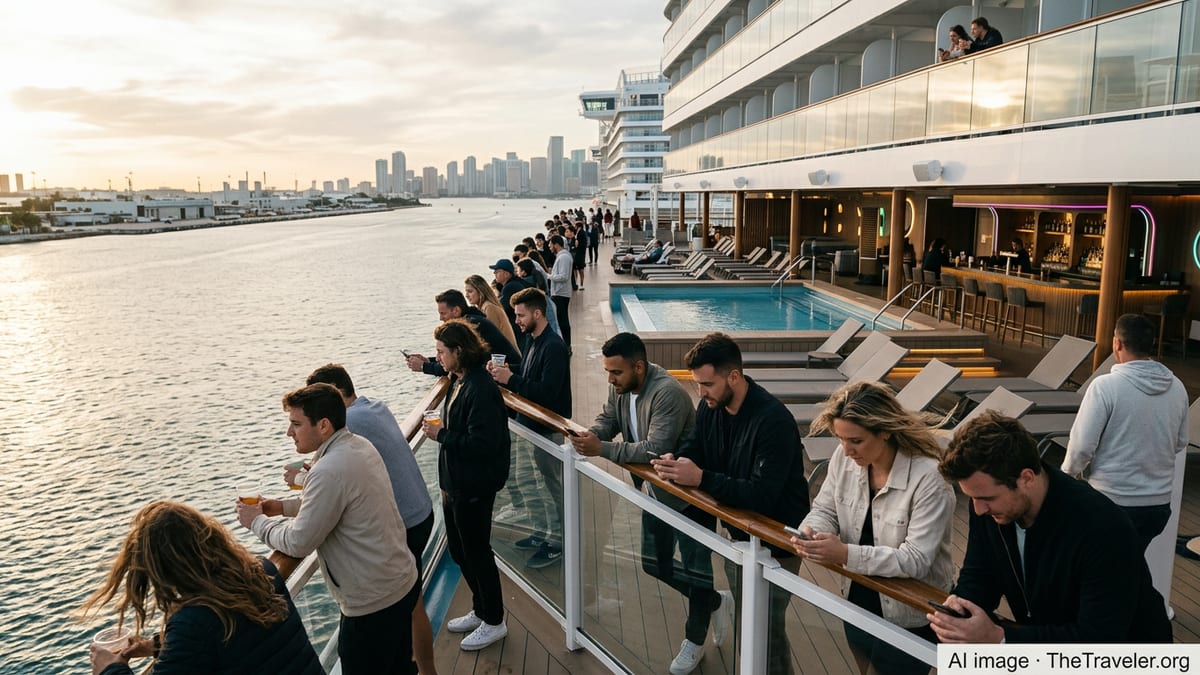
Affluent Gen Z Travelers Step Into the Luxury Spotlight
The latest study commissioned by the Luxury Group by Marriott International in Asia Pacific excluding China surveyed 2,800 affluent leisure travelers across eight regional markets, including 1,200 Gen Z respondents aged 18 to 29. The findings, released in early July 2026, point to a decisive shift in who is driving luxury travel trends, with younger travelers increasingly shaping expectations around experience, design and service.
According to published coverage of the research, Gen Z respondents are no longer positioned only as guests accompanying parents or older relatives. More than half of affluent Gen Z travelers in the study now fund their own trips, and nearly half take responsibility for planning the full journey, from destination choice to on-the-ground activities. Immediate family remains the preferred companion group, but there is notable growth in small-group travel, underscoring a desire for intimate, highly social experiences.
Marriott’s luxury-focused report describes four distinct luxury mindsets emerging in the Asia Pacific cohort, with Gen Z well represented across segments that prioritize cultural immersion, personal wellbeing, digital disconnection and heritage-rich exploration. The research suggests that for this generation, luxury is increasingly defined by intention and identity rather than demographics alone.
The Luxury Group, which sits within Marriott International’s portfolio of high-end brands such as The Ritz-Carlton, St. Regis, W Hotels and The Luxury Collection, has been positioning itself around what it calls a new era of “high life worth,” emphasizing emotionally resonant, transformative stays over purely material displays of wealth. The Gen Z findings appear to reinforce that strategic direction, indicating that younger travelers expect luxury hotels to deliver meaning and memory alongside comfort.
From Status Symbols to “Quiet Luxury” and Wellbeing
The new research aligns with broader luxury and consumer insight studies that indicate Gen Z is willing to spend on high-end products and experiences, but often resists overt status signaling. Consulting and retail analyses have found that younger consumers are more likely to seek out items and stays that feel unique, values-driven and personally expressive rather than simply logo-heavy or widely recognizable.
Within Marriott’s Asia Pacific luxury sample, one of the most prominent profiles is the so-called “Quiet Luxurist,” a traveler who associates the highest form of luxury with the ability to disconnect, escape visibility and reclaim stillness. For these Gen Z guests, an exclusive resort may be valued less for its name and more for secluded villas, calm public spaces, discreet service and options to step back from constant digital engagement.
Wellness also emerges as a key driver. The study points to strong interest among Gen Z respondents in restorative breaks, spa and pool facilities, and holistic wellbeing programming, echoing wider industry outlooks that show younger luxury travelers defining indulgence as preventive health and mental reset. Recent travel outlooks from major consultancies similarly observe that Gen Z travelers, when they qualify as luxury guests, tend to give more weight to spa, pool and wellness amenities compared with older cohorts that often prioritize brand recognition or location.
Across the wider luxury travel market, recent trend reports forecast faster growth in upscale and luxury tourism than in other segments, with millennial and Gen Z travelers accounting for a growing share of spend. Analysts note that these younger guests often channel discretionary income into experiences, including high-end trips, even while managing broader economic uncertainty, a pattern that appears consistent with Marriott’s Asia Pacific findings.
Culture, Community and the New Definition of Destination
The Marriott Luxury Group research indicates that cultural immersion and local engagement are central to how Gen Z luxury travelers select destinations. A significant majority of respondents highlighted factors such as interaction with local communities, access to authentic culinary scenes and proximity to nature as primary influences on where they choose to stay.
Published summaries of the data suggest that more than four in five Gen Z luxury travelers in the study favor destinations where they can participate in local culture rather than remain within a resort bubble. Culinary discovery ranks alongside nature access and wellness as top priorities, aligning with broader 2024 and 2025 travel trend reports that describe a rising appetite for food-focused itineraries and immersive neighborhood exploration among younger travelers.
These preferences are reshaping what counts as a luxury location. Instead of only flagship urban hotels or long-established resort corridors, Gen Z travelers are increasingly open to secondary cities, coastal towns and nature-based settings, provided that properties can offer both high service standards and genuine connection to place. This is broadly consistent with research across the travel sector that notes a gradual diversification of luxury demand beyond traditional hotspots.
For Marriott’s luxury portfolio, which spans heritage grand hotels, design-led lifestyle brands and resorts embedded in natural landscapes, the Gen Z tilt toward culture and community appears to validate efforts to emphasize locally grounded experiences. Company materials describing the Luxury Group’s positioning highlight a focus on deeper connection and “the high art of moving people,” themes that resonate strongly with the younger demographic’s stated priorities.
Tech-Enabled Planning, Flexible Stays and Loyalty on New Terms
The Gen Z cohort examined in Marriott’s Asia Pacific research is digitally native, and their planning behaviors are influencing how luxury hotels think about distribution and guest engagement. Separate travel outlooks from consultancies and industry analysts report that younger travelers are more inclined to use digital tools, including artificial intelligence, to research and book trips, often compressing decision cycles and comparing options across brands in a matter of minutes.
Publicly available research on Gen Z booking patterns points to less patience for lengthy comparisons and a heavier reliance on platforms that provide clear, total-trip cost visibility. This environment can diminish the impact of traditional loyalty programs if they rely solely on points accumulation and brand familiarity rather than delivering tangible, near-term value and distinctive experiences.
Industry analyses suggest that brand portfolios with multiple luxury flags, such as Marriott’s, may be well positioned if they can translate scale into flexibility. Younger luxury travelers often expect to toggle between urban micro-stays, wellness retreats and multigenerational villa holidays while remaining within a single ecosystem of recognition and benefits. Reports on multigenerational travel trends show that families including Gen Z adults are increasingly booking larger accommodations and extended stays, often at higher overall trip budgets.
At the same time, experts observing Gen Z consumer behavior note a degree of skepticism toward overt marketing. The expectation is for personalization and relevance in digital outreach, without sacrificing privacy or authenticity. For luxury hotel groups, that translates into a need for data-informed, but restrained, engagement that highlights how a property can support individual goals, whether they are solitude, social connection, creativity or recovery.
Implications for Marriott’s Luxury Strategy in Asia Pacific and Beyond
Marriott International has spent recent years consolidating its position as one of the world’s largest luxury hotel operators, expanding a portfolio that includes both legacy names and newer lifestyle-focused brands. Company-facing materials for owners and investors underscore the depth of its luxury footprint and pipeline, particularly across Asia Pacific, where a growing middle and affluent class is fueling demand for high-end travel experiences.
The new Gen Z findings from the Luxury Group’s Asia Pacific research provide additional guidance for how that portfolio may evolve. The clear emphasis on wellbeing could accelerate investment in spa, fitness and sleep-focused offerings, alongside partnerships with wellness practitioners and local specialists. The desire for cultural immersion may encourage more collaborations with neighborhood creatives, independent restaurants and community organizations to bring local stories into hotel programming.
Travel outlook reports published in 2024 and 2025 also highlight that Gen Z and younger millennials are planning a relatively balanced mix of domestic and international trips, suggesting that cross-border connectivity within brand portfolios will matter. For Marriott, that could mean designing guest journeys that move seamlessly between its luxury properties in regional hubs, resort destinations and emerging secondary markets while maintaining consistent service standards and recognition.
Analysts following the global luxury sector describe a marketplace in which younger generations are both aspirational and value-conscious, seeking rare, emotionally resonant experiences but resistant to paying for prestige alone. Marriott’s Asia Pacific Gen Z research indicates that the luxury traveler of the coming decade will reward brands that can deliver privacy, wellbeing, cultural depth and digital ease in a single stay, setting a high bar for what “luxury” means in practice across the hotel industry.