


Sunlit turquoise water, powdery sand, and easy logistics make Grand Cayman one of the most popular Western Caribbean stops. For first-time visitors, though, the tender-only cruise port, reef-based excursions, and wealth of beach choices can feel surprisingly complex. This guide walks you through George Town and the surrounding coast step by step, so you can make the most of a short call or a first land-based stay on the island.
Get the latest updates straight to your inbox!
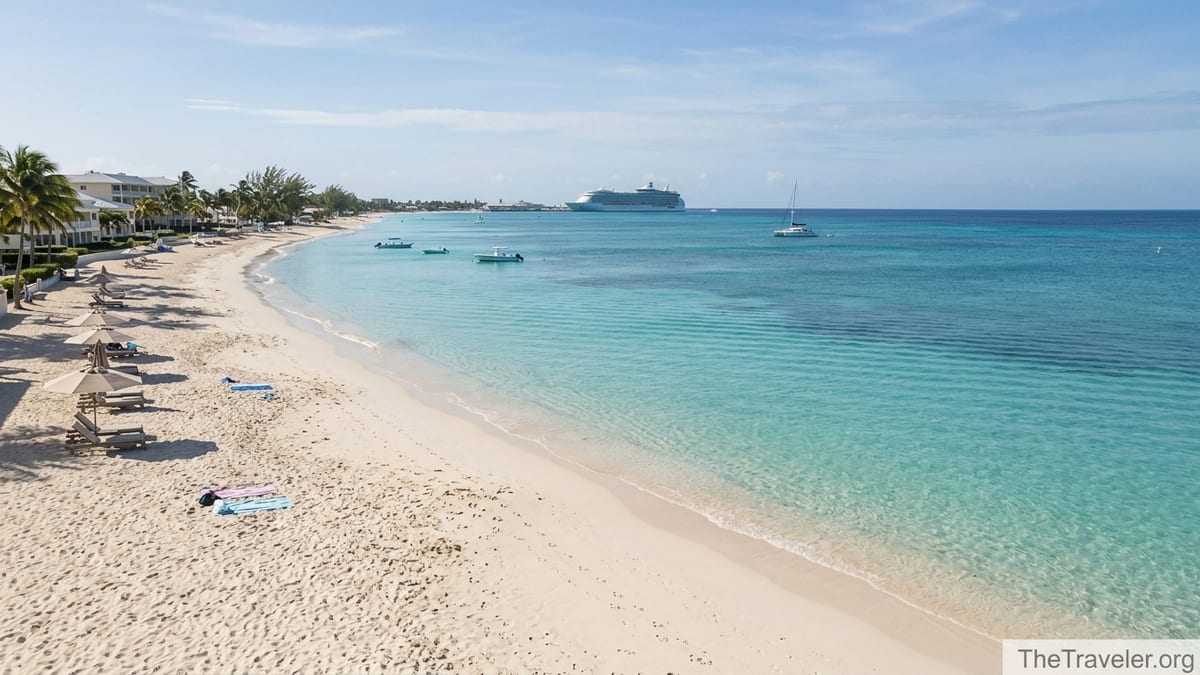
Where You Are: George Town and Grand Cayman in Context
Grand Cayman is the largest of the three Cayman Islands and sits in the western Caribbean Sea, south of Cuba and northwest of Jamaica. George Town, on the island’s southwest coast, is both the capital and main cruise port. Most cruise ships anchor just offshore here, while Owen Roberts International Airport lies a 10 to 15 minute drive inland, so even resort guests will likely pass through George Town at some point.
For visitors, George Town feels compact and walkable. The waterfront road is lined with low-rise duty free shops, banks, small plazas, and a scattering of cafes, instead of towering high-rises. Seven Mile Beach begins just north of town and curves up the west coast, so iconic sand and calm water are only a short bus or taxi ride away. Most reef tours, Stingray City excursions, and snorkel trips also depart from marinas on this western side of the island, which keeps travel times manageable during a short day in port.
Grand Cayman uses Cayman Islands dollars, but US dollars are widely accepted and many prices are displayed in both currencies. You will see a mix of cruise day-trippers, stayover resort guests, and local office workers in George Town during the week. The cruise presence is visible, but outside the peak hours of late morning and early afternoon, the town can feel surprisingly relaxed, with quieter side streets leading to the National Museum, Parliament, and small historic buildings.
First-time visitors should keep in mind that Grand Cayman is generally more expensive than many other Caribbean islands, especially for food and imported goods. A casual lunch of fish tacos and a drink near Seven Mile Beach might easily reach 20 to 30 US dollars per person. Planning ahead for these higher prices will help you avoid sticker shock and enjoy your day with fewer surprises.
Arriving by Sea: How the George Town Cruise Port Works
Unlike many Caribbean ports, George Town is a tender port. Ships anchor in the harbor and passengers transfer to shore on local tender boats. On a typical day, it takes about 10 to 15 minutes each way on the tender. When multiple large ships are in port, lines can build up, especially in the late morning going ashore and in the midafternoon when everyone returns to the ship. Cruise lines often run early-morning priority tenders for guests on ship-sponsored excursions, then open general tender tickets later in the morning.
The tender terminal buildings sit directly on the seafront in downtown George Town, and the three main tender piers are only a few minutes’ walk apart. As you exit, you step straight onto the waterfront road, with jewelry stores and duty free shops immediately opposite. Most independent tour operators meet guests just outside the terminal gates or in clearly marked kiosks across the street. If you have arranged a Stingray City or island tour ahead of time, check your confirmation for the exact meeting point and allow a bit of extra time to find your guide among the many signs.
Weather can occasionally affect where you land. When seas on the George Town side are too rough, ships sometimes use an alternate tender spot on the south or east side of the island, such as Spotts. In that scenario you will find fewer immediate shops, but local mini buses and taxis usually wait near the temporary tender area to shuttle guests to downtown George Town and Seven Mile Beach for a per person fee. Your ship will announce any changes on the morning of arrival, so listen carefully and adjust your plans if you were counting on walking straight into town.
Time management is crucial in a tender port. If your ship’s last tender is scheduled for, say, 3:30 p.m., aim to be back in the tender line in George Town by about 2:30 p.m., especially on days with several ships in harbor. The line for the return tender alone can reach 20 to 45 minutes during the afternoon rush, and the ride back to the ship adds another 10 to 15 minutes. Building a personal buffer into your schedule will make the end of your day feel far less stressful.
Seven Mile Beach: Choosing the Right Stretch of Sand
Seven Mile Beach is the star attraction on Grand Cayman, a long band of pale sand and gentle water running north from just outside George Town. Despite the name, the continuous stretch is closer to six miles, and not all sections feel the same. The southern end near George Town is closer to the cruise port and dotted with smaller hotels and condo complexes. As you head further north you reach a mix of upscale resorts, public beach access points, and quieter residential areas.
Most first-time visitors aim for the central area, near large resorts and beach clubs. Here you will find soft sand, rows of loungers, beach bars, jet ski rentals, and easy access to restrooms and food. Public beach access paths cut between many properties, sometimes marked by small blue signs. For example, the popular Seven Mile Public Beach area has a wide strip of sand, public restrooms, showers, cabanas for rent, a playground, and a cluster of casual food stands and small bars nearby. Many cruise visitors head straight there by taxi or mini bus from the tender pier, since it offers a simple one-stop option for swimming and lunch.
If you prefer a quieter scene and do not need full facilities, you can ride the bus further up West Bay Road to smaller access points and less developed stretches of sand. At the far northern end, near Cemetery Beach, the beach narrows but feels calmer and more residential, and there is a small reef offshore where you can snorkel straight from the sand. The tradeoff is fewer services. You may find no beach chairs for rent and no restaurants right on the sand, so bring your own towel, water, and snacks. Public buses pick up and drop off along the road, but taxis can be scarce in these outer areas, so plan extra time to get back to George Town.
Regardless of where you go, remember that Cayman’s beaches are public up to the high tide line, but most lounge chairs and umbrellas belong to the adjacent resorts or beach clubs. Some resorts sell day passes that include chair and pool access, sometimes bundled with food and drink credit. Others informally rent chairs to outside guests if occupancy is low. A typical rate for a chair and umbrella on a busy stretch of Seven Mile Beach might range from about 20 to 40 US dollars per person, depending on the property and what is included. If you are on a tighter budget, sitting on your own towel in the sand a short distance away is still perfectly acceptable.
Stingray City and Snorkeling: Planning the Signature Experiences
Stingray City is Grand Cayman’s signature excursion and a highlight for many first-time visitors. Located on a shallow sandbar in the North Sound, accessible only by boat, it is a natural gathering place for southern stingrays that have become accustomed to human visitors. On a typical tour you ride out by powerboat or catamaran, anchor in waist-deep turquoise water, and step off the boat to stand on the sandbar while stingrays glide past your legs. Guides often demonstrate how to hold a small piece of squid for the stingrays and may help you gently hold or kiss a ray for a photo, if you are comfortable.
Tours usually combine Stingray City with at least one snorkel stop on a nearby reef or at Coral Gardens, and sometimes with a visit to Starfish Point. Cruise line excursions tend to be larger group outings on bigger boats, while independent operators also offer smaller group catamaran trips or private charters. As of 2026, common prices for three-hour shared tours that include Stingray City and a reef snorkel often fall in the range of about 70 to 100 US dollars per adult, including snorkel gear and sometimes drinks. Private half-day charters for families or small groups can start around several hundred US dollars for the boat, then increase with the number of people and extra hours.
Conditions matter at Stingray City. The experience is most comfortable when seas are relatively calm and the water is clear. On breezy days the ride across the North Sound can be choppy, and the sandbar water can get stirred up, reducing visibility. Morning tours often have slightly calmer conditions and fewer boats, although this depends on ship schedules. If you are prone to seasickness, consider a catamaran tour, sit near the back of the boat, and bring motion-sickness remedies. Many tours provide life vests and float belts, but you still need to be comfortable climbing a ladder in shallow open water.
Beyond Stingray City, Grand Cayman offers good snorkeling both from boats and directly off certain beaches. Along Seven Mile Beach, you can snorkel from shore at spots such as the small reefs near some mid-beach resorts, the area off Governor’s Beach, or the reef near Cemetery Beach at the north end. Visibility is often excellent, with a mix of coral heads, small reef fish, and occasionally turtles. If you plan to snorkel independently, pack a rash guard to protect from sunburn, use reef-safe sunscreen, and avoid standing on or touching coral. Rental snorkel gear is available at many beach shops and watersports stands, but frequent snorkelers may prefer to bring their own mask and snorkel for comfort and hygiene.
Eating, Drinking, and Shopping in George Town and Along the Beach
George Town’s waterfront core is lined with duty free and jewelry stores that cater heavily to cruise visitors. Here you will find international watch and diamond brands, liquor shops selling Caribbean rum and spirits, and local boutiques with Caymanite stone jewelry and island-made crafts. On cruise days, store staff often stand outside inviting passersby to enter, but browsing is low-pressure if you simply say you are just looking. If you are shopping for higher-value items like watches, compare prices among at least two or three stores before making a decision, and ask about international warranty coverage.
For more locally focused browsing, step a block or two inland. Small galleries and souvenir shops sell Cayman-themed art, beachwear, and casual gifts like spice blends, hot sauces, and locally roasted coffee. Prices here are not usually bargain-basement, but you can find midrange souvenirs that feel more distinctive than a generic fridge magnet. Many first-time visitors pick up small bottles of jerk seasoning or Cayman pepper jelly, which are easy to pack and let you bring a bit of the island home.
Dining ranges from casual jerk stands to upscale resort restaurants. In downtown George Town you can find cafes and pubs serving burgers, conch fritters, and seafood plates, along with coffee shops offering iced lattes and pastries. Expect a simple fish plate with sides to start around 18 to 25 US dollars in a sit-down setting, and coffeehouse drinks around 5 to 7 US dollars. Along Seven Mile Beach, oceanfront restaurants at resorts and beach clubs tend to be pricier, with main courses frequently in the 30 to 50 US dollar range at dinner, reflecting both the waterfront setting and imported food costs.
If you are in port only for the day and want to maximize beach time, an efficient option is a beach bar near Seven Mile Public Beach or a mid-beach resort cluster. Many of these venues serve fish tacos, burgers, salads, and blended drinks to swimsuit-clad patrons who walk up from the sand. Grabbing a grilled fish sandwich and a local beer or a nonalcoholic tropical punch, then eating at a picnic table while watching the water, can be one of the most relaxing ways to spend a few hours ashore.
Getting Around: Buses, Taxis, and Rental Cars
For first-time visitors staying only a day or two, you can usually rely on a mix of walking, local buses, and taxis instead of renting a car. The roads around George Town and Seven Mile Beach are busy, parking at popular beaches can be tight, and driving is on the left side. Unless you plan to explore the east end of the island or hop between many distant spots, skipping the rental car can reduce stress.
Local buses on Grand Cayman are actually shared mini vans that run set routes, especially along the west side between George Town, Seven Mile Beach, and the West Bay district. They pick up and drop off along main roads; you simply stand at the roadside and wave when you see a van with the route letter in the window. Fares along the main tourist corridor are typically only a few dollars per person, making this one of the best-value ways to move between downtown and various beach access points. Buses run frequently during the day, though service tapers off in the evening.
Taxis are widely available in downtown George Town and around the main resort areas. Drivers generally use standard fare tables set by local authorities rather than meters, with fixed prices based on zones and number of passengers. For example, a short ride from the cruise tender pier to a midsection of Seven Mile Beach might cost roughly the price of a modest restaurant lunch for two, while a longer ride up to the far north end or out toward more remote areas will cost more. Clarify the fare before you start the ride, especially if you add extra stops.
If you are visiting by cruise ship and simply want a straightforward beach day, a common pattern is to walk from the tender terminal to the taxi area, share a cab to Seven Mile Public Beach or a beach club, then use the same method in reverse with ample time before last tender. Travelers who are more adventurous and comfortable with informal transit often mix a taxi ride out to a more remote beach with a mini bus ride back to town later in the day. In that case, keep small bills on hand for bus fares and watch the clock closely.
First-Time Cayman Tips: Money, Safety, and Cruise-Day Strategy
Grand Cayman is widely considered one of the safer islands in the region for tourists, with low violent crime rates in main visitor areas. Petty theft still occurs, especially with bags left unattended on the beach or valuables left visible in parked cars. At the beach, bring only what you need, keep passports and large sums of cash back on the ship or locked in your hotel safe, and use a small dry bag or simple travel lockbox if you plan to swim together and leave items on a chair.
Weather is tropical, with warm temperatures year-round and higher humidity and rain chances between about June and November. Sun exposure is one of the biggest practical risks. The combination of clear water and reflective sand makes burns easy even on overcast days. Bring a broad-spectrum reef-safe sunscreen and reapply frequently, especially after swimming. A long-sleeved rash guard and a wide-brimmed hat are worth packing, particularly if you plan to spend hours in the water at Stingray City or snorkeling along the reef.
When paying, you will see prices listed in both Cayman Islands dollars and US dollars. The official exchange means that one Cayman dollar is worth more than one US dollar, so do not be surprised if your change in US cash feels smaller than expected. Many visitors find it easiest to pay in US dollars for small transactions or use a credit card with no foreign transaction fees at restaurants and larger shops. Tipping customs are similar to North America. A service charge may be added automatically in sit-down restaurants, especially at resorts. If it is not included, a gratuity of around 15 to 20 percent for good service is usual.
For cruise visitors, the best way to avoid feeling rushed is to choose one main plan and stick to it. Mixing a full Stingray City excursion with a long beach day and downtown shopping in a five to six hour port call can lead to stress. A more realistic approach is to pick either Stingray City plus a short swim stop, or a relaxed beach and lunch day, then leave only a little time at the end for a brief walk through downtown before heading back to the tender. Build in a generous buffer before the posted last tender time, particularly if you are traveling on your own instead of through ship-sponsored tours.
FAQ
Q1. How far is the cruise tender pier from downtown George Town?
The tender piers sit directly on the waterfront in downtown, so shops, cafes, and many tour meeting points are within a few minutes’ walk as soon as you step ashore.
Q2. How long does it take to get from George Town to Seven Mile Beach?
On a typical day, a taxi or mini bus ride from the cruise tender area to a central section of Seven Mile Beach takes around 10 to 15 minutes, depending on traffic.
Q3. Is Seven Mile Beach public, and can cruise visitors access it freely?
The beach itself is public up to the high tide line. You can walk and swim freely, but resort loungers and umbrellas are for guests or paying day visitors, so bring a towel if you prefer not to rent chairs.
Q4. What does a typical Stingray City tour cost for adults?
Shared three-hour tours that visit Stingray City and a nearby snorkel site commonly run in the range of about 70 to 100 US dollars per adult, depending on inclusions and group size.
Q5. Can non-swimmers safely join a Stingray City excursion?
Yes, many non-swimmers join. The sandbar is shallow, guides provide flotation, and you can remain by the boat ladder, but you must still be comfortable standing in open water.
Q6. Are there good snorkel spots accessible from shore without a boat tour?
Yes. Sections of Seven Mile Beach, such as areas near Governor’s Beach or Cemetery Beach, offer offshore reefs where you can snorkel straight from the sand in calm conditions.
Q7. Do I need local cash, or can I use US dollars and credit cards?
Most visitor-focused businesses accept US dollars and major credit cards. Cayman Islands dollars are useful for small purchases, but many travelers rely mainly on cards and US cash.
Q8. Is it better to use taxis or local buses for first-time visitors?
For direct, time-sensitive trips, taxis are simpler. For short hops between George Town and different parts of Seven Mile Beach, the shared mini bus system is cheaper and works well if you are flexible.
Q9. How much time should I allow to get back to the ship from Seven Mile Beach?
On cruise days, plan to leave the beach at least 75 to 90 minutes before the published last tender, to account for traffic, possible taxi waits, and lines at the tender pier.
Q10. What is the best way to spend a first visit with limited time in port?
For most first-timers, choosing either a Stingray City plus snorkel tour or a relaxed Seven Mile Beach and lunch day, rather than trying to do everything at once, leads to a more enjoyable and less rushed experience.