


More news on this day
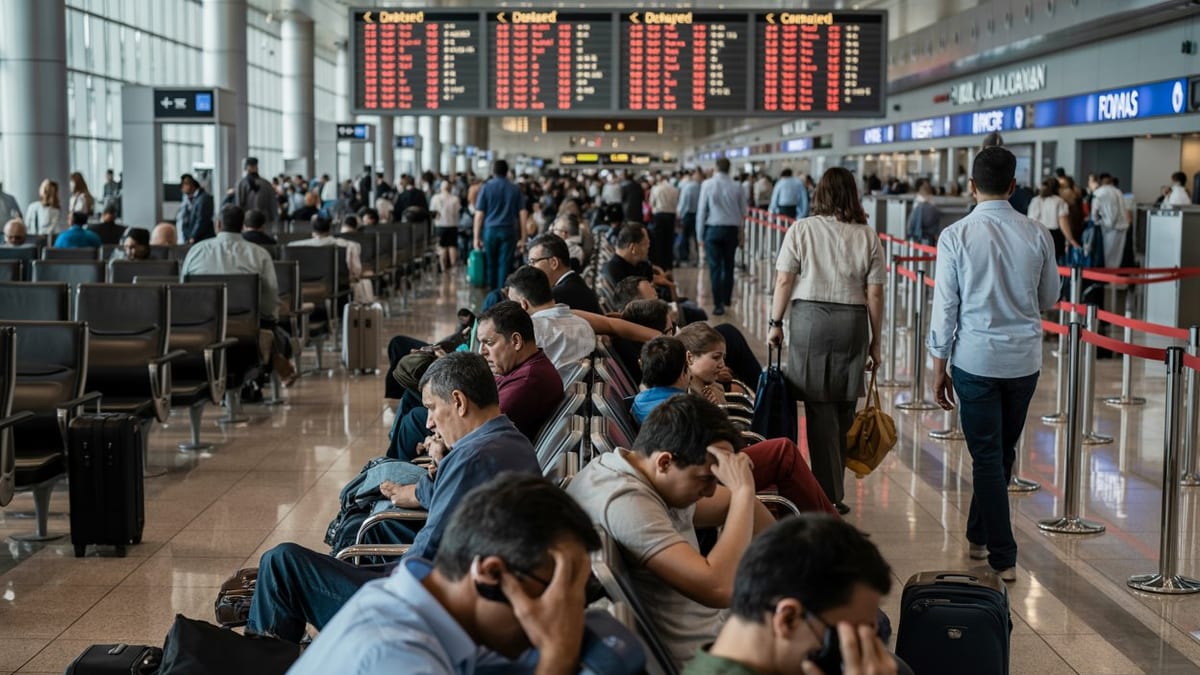
Hundreds of air travelers were stranded across Germany on June 3 as at least 422 flight delays and 25 cancellations involving Lufthansa, Eurowings, Ryanair, Air France, KLM and other carriers disrupted operations at major hubs including Berlin, Hamburg, Frankfurt and Munich, according to live airport and flight-tracking data.
Get the latest news straight to your inbox!
Major German Hubs Buckle Under Wave of Disruptions
Flight-status boards at Berlin Brandenburg, Hamburg, Frankfurt and Munich showed widespread disruption through Monday morning and into the afternoon, with clusters of delayed departures and arrivals on short and medium haul routes. Publicly available data indicated that delays of more than 30 minutes were affecting a substantial share of traffic, especially on domestic links within Germany and connections to neighboring European capitals.
The latest disruption followed a turbulent spring for German aviation, during which repeated strike actions and staff shortages at Lufthansa Group carriers and ground services have already led to multiple days with hundreds of cancellations. Previous industrial disputes affecting pilots and cabin crew in February, March and April had already highlighted the vulnerability of the country’s main hubs when several airlines scale back operations at the same time.
On June 3, however, reports pointed mainly to adverse weather and knock-on operational challenges rather than coordinated labor action. Thunderstorms and heavy rain moving across central Europe slowed arrivals, forced temporary ground stops and led to aircraft and crews being out of position. As a result, early delays in the morning schedule rippled into the afternoon and evening bank of flights.
Frankfurt and Munich, the two largest hubs in Germany, again emerged as the focal points of disruption, with congestion in their tightly timed wave patterns spreading out to secondary airports such as Berlin and Hamburg. Passengers arriving on late inbound flights often missed onward connections, adding to the numbers waiting in terminals for rebooking.
Lufthansa and Eurowings at the Center of Network Disruption
Lufthansa and its low cost subsidiary Eurowings were among the most affected carriers in the latest round of operational problems, reflecting their dominant presence at German airports. Tracking portals for June 3 showed a concentration of delayed and cancelled services on Lufthansa mainline flights into and out of Frankfurt and Munich, while Eurowings services linking secondary cities such as Hamburg, Berlin and Düsseldorf also recorded significant delays.
Recent months have already seen the group’s schedule under strain. In February and April, published coverage documented coordinated walkouts by pilots and cabin crew that forced Lufthansa to ground a large share of its operations for one or more days, particularly at Frankfurt and Munich. On some strike days, several hundred flights were removed from the timetable, leaving tens of thousands of travelers in need of rebooking and overnight accommodation.
As part of its effort to stabilize operations for the summer season, Lufthansa has already trimmed parts of its June schedule and adjusted high frequency domestic routes, according to company publications. Nevertheless, the June 3 disruptions showed how quickly even a reduced timetable can unravel when weather or air traffic control capacity limits create bottlenecks.
Eurowings, which operates a substantial point to point network from German airports, also faced difficulty absorbing the shock. With aircraft and cabin crews rotating through multiple bases in a single day, initial delays in the morning translated into late evening arrivals and, in some cases, cancellations where crew duty time limits were reached.
European Carriers Ryanair, Air France and KLM Also Affected
The operational problems were not confined to German airlines. Low cost carrier Ryanair, along with network carriers Air France and KLM, all saw a share of their Germany related flights delayed or cancelled as the day progressed. These carriers rely heavily on German airports as spoke points feeding into their own hubs in Ireland, France and the Netherlands, meaning disruption in Germany can quickly affect travelers across Europe.
Ryanair, which has already been adjusting its German presence and bases in recent months, faced delays on several routes connecting German cities with leisure destinations and secondary airports elsewhere in Europe. Discussions among passengers on social media highlighted missed city breaks, disrupted business trips and last minute itinerary changes as aircraft waited out weather fronts or queued for departure slots.
For Air France and KLM, the main impact was on feeder routes between German airports and their hubs at Paris Charles de Gaulle and Amsterdam Schiphol. When departures from Berlin, Hamburg, Frankfurt or Munich left late or were cancelled outright, connecting passengers risked missing long haul flights to North America, Africa and Asia. Published accounts from travelers in recent weeks have already described extended rerouting and overnight layovers when such connections unravel.
Weather and air traffic control constraints over France and the Low Countries have periodically amplified these issues, as capacity restrictions in one part of the European network force airlines to slow operations elsewhere. On June 3, the combination of storms over Germany and lingering constraints on overflight routes contributed to longer block times and tighter connection windows.
Passengers Face Long Queues and Complex Rebooking
Across Germany’s major terminals, passengers reported long queues at service desks and self service kiosks as they attempted to secure alternative travel options. With hundreds of delayed flights and two dozen outright cancellations, available seats on remaining departures quickly filled, particularly on popular evening services and on routes with limited frequencies.
Some travelers turned to rail as an alternative, especially on dense domestic corridors such as Berlin to Frankfurt or Munich to Hamburg, where high speed trains provide a viable back up when flights are disrupted. Social media posts in recent days described passengers being rebooked onto train services when short haul links were cancelled or heavily delayed, a pattern that continued during the latest wave of disruptions.
Under European passenger rights rules, travelers on affected flights may be entitled to assistance such as meals, hotel accommodation and communication, as well as rerouting at the earliest opportunity. Compensation in cash can also apply in certain circumstances, depending on the cause of the delay or cancellation and the length of the disruption. Publicly available guidance from consumer organizations stresses that passengers should keep documentation of boarding passes, receipts and written notices of disruption when seeking redress.
For many travelers on June 3, however, the immediate concern was simply reaching their destination. With airport hotels quickly reaching capacity and overnight options scarce in some locations, stranded passengers weighed whether to wait for rebooked flights, accept rerouting through other European hubs, or abandon air travel altogether and seek ground transport alternatives.
Strain on Germany’s Aviation System Ahead of Peak Summer
The latest day of disruption has fueled fresh debate about the resilience of Germany’s aviation system heading into the busy summer season. April traffic data shows that Frankfurt and Munich remain among Europe’s busiest hubs, while Berlin and Hamburg also handle significant volumes on intra European routes. Even small operational shocks can therefore have far reaching effects once delay cascades begin.
Industry analyses suggest that a combination of structural staff shortages, high aircraft utilization and congested airspace has left relatively little buffer in the system. When severe weather strikes or air traffic control reduces capacity, airlines often have limited room to reposition aircraft and crews without removing flights from the schedule. Recent strike actions have further depleted reserves as carriers attempt to rebuild rosters and restore normal rotations.
For travelers, the pattern of repeated disruption across late winter and spring has increased pressure to plan for contingencies. Consumer advocates advise building in longer connection times, avoiding last departures of the day on critical routes where possible, and monitoring flight status closely in the 24 hours before travel. Flexible tickets and travel insurance that covers delays and missed connections can also mitigate some of the financial impact.
As June progresses, attention will focus on whether airlines operating from Germany can stabilize their operations and protect peak holiday departures. The June 3 wave of 422 delays and 25 cancellations across major hubs provided an early stress test, highlighting how quickly a combination of weather and operational fragility can leave hundreds of passengers stranded across one of Europe’s most important aviation markets.