


More news on this day
A nationwide general strike in Portugal on Wednesday, 3 June 2026, has led to the cancellation of hundreds of flights across the country, with air passengers urged to check their itineraries and prepare for significant disruption at Lisbon, Porto and Faro airports.
Get the latest news straight to your inbox!
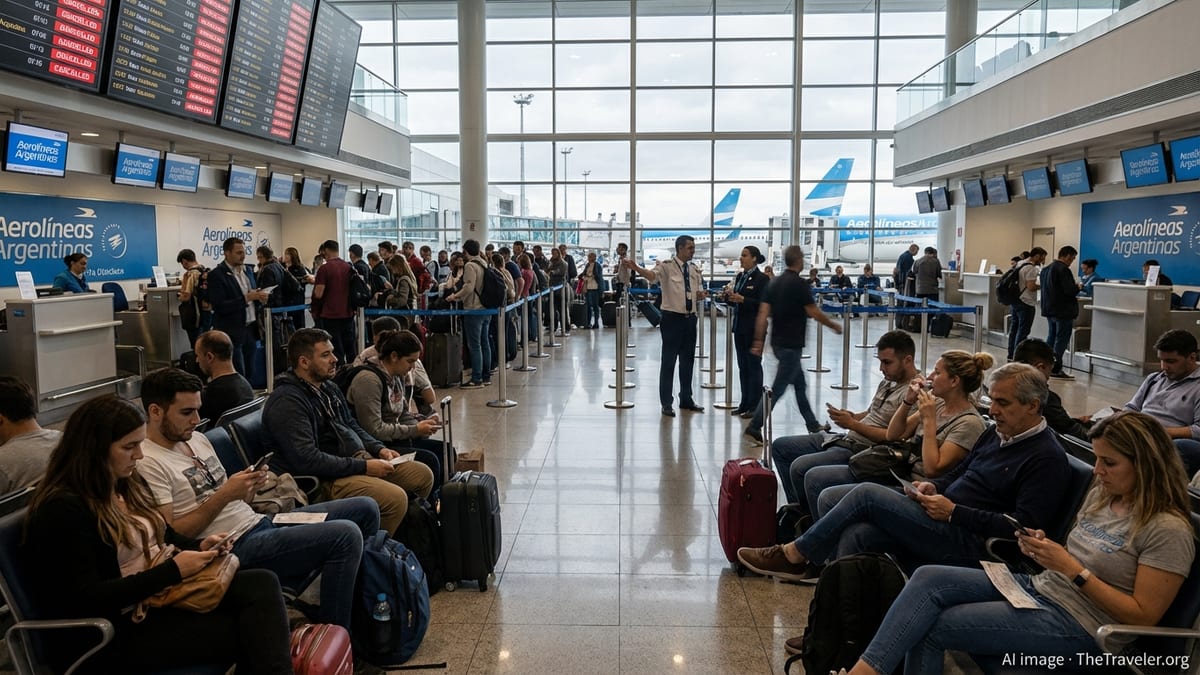
Hundreds of Flights Cancelled Across Portuguese Airports
Portugal’s general strike is hitting the country’s main airports hard, with flight schedules heavily reduced throughout Wednesday. Data from airport operator ANA reported by local business media indicates that more than 650 flights were cancelled nationwide, representing close to half of all services planned for the day. Earlier forecasts from unions and travel analysts had warned that at least 500 operations were at risk, a figure that has now been surpassed as the impact becomes clearer.
Lisbon Humberto Delgado Airport is experiencing the largest disruption, with dozens of departures and arrivals removed from the boards from early morning onwards. Porto and Faro have also reported widespread cancellations and delays, particularly on short haul routes within Europe. Long haul connections are affected too, with some transatlantic and African services grounded or rescheduled.
Flag carrier TAP Air Portugal appears to be among the most exposed airlines, as a large share of its crew are participating in the walkout and minimum service agreements remain limited. Regional carriers and several European low cost airlines operating bases in Lisbon and Porto have also trimmed their schedules or moved flights to other days, adding to the overall reduction in capacity.
Disruption is not confined to Portugal’s own airlines. Reports from international media and passenger accounts indicate that foreign carriers have cancelled or rerouted flights that were due to land or originate in the country on Wednesday, often consolidating passengers onto services later in the week.
Why the Strike Is Happening Today
The 24 hour industrial action was called by major union confederations to protest a government labour reform package widely discussed in national media in recent weeks. Civil aviation workers, including cabin crew and ground personnel, joined colleagues from rail, metro, health and education sectors, turning the walkout into a broad show of opposition to the proposals.
Publicly available information from union statements highlights concerns about working hours, overtime rules and job security in strategic sectors such as transport. Aviation unions in particular have argued that recent staffing and scheduling changes have increased pressure on crews and reduced quality of service for passengers.
Travel outlets had been warning about possible disruption since late May, when early notices and strike alerts were circulated to airlines and tour operators. Some carriers began waiving change fees for Portugal bound flights in the days leading up to 3 June, but many passengers only received final confirmation of cancellations late on Tuesday or during the night, as schedules were progressively thinned out.
Although the strike is limited to a single day, analysts in European aviation media note that the knock on effects may be felt for several days, as airlines reposition aircraft and crew and work through backlogs of displaced passengers at the start of the busy summer season.
What Today’s Cancellations Mean for Your Flight
For travellers due to fly to, from or within Portugal on 3 June, the key point is that a confirmed flight on an itinerary does not guarantee operation until it has actually departed. Many airlines are adjusting schedules in real time as participation levels in the strike become evident, which means flights can still be cancelled or significantly delayed even a few hours before departure.
Passenger reports on social media and online travel forums describe a patchwork of outcomes. Some travellers have received automatic rebooking notifications with new itineraries later in the week, while others have seen their flights cancelled without an immediate alternative. In certain cases, airlines have proactively shifted flights from Wednesday to Thursday to avoid the worst of the disruption, effectively turning one day of strike action into a longer travel delay for affected customers.
European air passenger rights rules remain applicable even during industrial action. Specialist passenger rights organisations note that customers whose flights are cancelled are generally entitled to a choice between rerouting at the earliest opportunity and a refund of the unused ticket. Eligibility for financial compensation, however, can depend on whether the disruption is considered outside the airline’s control and on the specific circumstances of each case.
Travellers holding connecting itineraries that include Portugal as a transit point face particular complexity. If a long haul leg to Europe operates as normal but the onward connection into Portugal is cancelled, airlines may reroute passengers through alternative hubs or extend layovers, often with very limited advance notice.
Practical Advice for Travelers at Lisbon, Porto and Faro
For anyone scheduled to travel today, the first step is to verify the latest status of the flight directly with the airline or through the airline’s mobile app. Airport departure boards in Portugal are updating frequently, and many carriers are urging passengers not to assume a flight is cancelled unless formally notified, because a no show can result in losing the booking altogether.
At the same time, arriving very early at the airport is recommended, particularly in Lisbon where long queues at security and border control have already been an issue this year. Travel advisories shared by airlines and consular channels in recent days have suggested allowing extra time to reach the airport because public transport is reduced, with metro and rail services operating at limited capacity or suspended on several lines.
Passengers who are already at Lisbon, Porto or Faro and whose flights are cancelled should look for the airline’s official customer service desks within the terminal rather than relying solely on third party counters. Published guidance from airlines and passenger rights groups advises keeping all receipts for meals, ground transport and accommodation that becomes necessary due to disruption, as some of these costs may be reimbursable depending on the airline’s policies and local regulations.
Travellers with flexible itineraries who have not yet started their journey may wish to consider changing their travel dates to later in the week where possible. In recent strikes elsewhere in Europe, the heaviest disruption has often been concentrated on the main strike day itself, with operations gradually normalising over the following 24 to 48 hours as crews and aircraft return to their usual rotations.
Looking Ahead: Impact on Summer Travel to Portugal
The timing of the general strike at the very start of June raises broader questions about reliability for visitors heading to Portugal during the peak holiday months. Industry observers point out that the country has already seen periodic labour disputes in aviation and public transport over the past few years, occasionally leading to short notice cancellations and overcrowded terminals.
Tourism bodies consistently highlight Portugal’s popularity with international visitors, and there is currently no indication that the strike will extend beyond the 24 hour period. However, unions have signalled that further action later in the year has not been ruled out if talks over the labour reform package fail to produce compromises.
For now, travel planners suggest that visitors build more flexibility into their schedules, especially when arranging tight connections, cruises or important events immediately after arrival. Allowing an extra buffer day at the start of an itinerary, purchasing travel insurance that clearly covers strikes, and monitoring news about labour negotiations in key sectors can all help reduce risk.
Despite the disruption, flights are still operating to and from Portugal today, and many travellers are completing their journeys with only minor delays. For those affected by cancellations, understanding their rights and options, and acting quickly on any rebooking offers, remains the most effective way to navigate the turbulence created by this nationwide strike.