


More news on this day
One of the Caribbean’s most popular cruise stops is pushing back after the United States updated its travel advisory, sparking unease among travelers booked to visit Grand Turk in the Turks and Caicos Islands.
Get the latest news straight to your inbox!
Advisory Refreshed for Turks and Caicos
The U.S. Department of State updated its travel advisory for Turks and Caicos on July 7, refining language around crime risks, local law enforcement practices and penalties for firearms and ammunition. Publicly available information shows that the overall advisory level remains at Level 2, a category that calls for “increased caution” and applies to many mainstream tourism destinations worldwide.
The refreshed guidance highlights concerns about crime, including the potential for armed robberies and other incidents, and reiterates warnings about strict enforcement of weapons laws. Travelers are advised to be aware of their surroundings, avoid isolated areas at night, and follow instructions from local authorities while in port or on excursions.
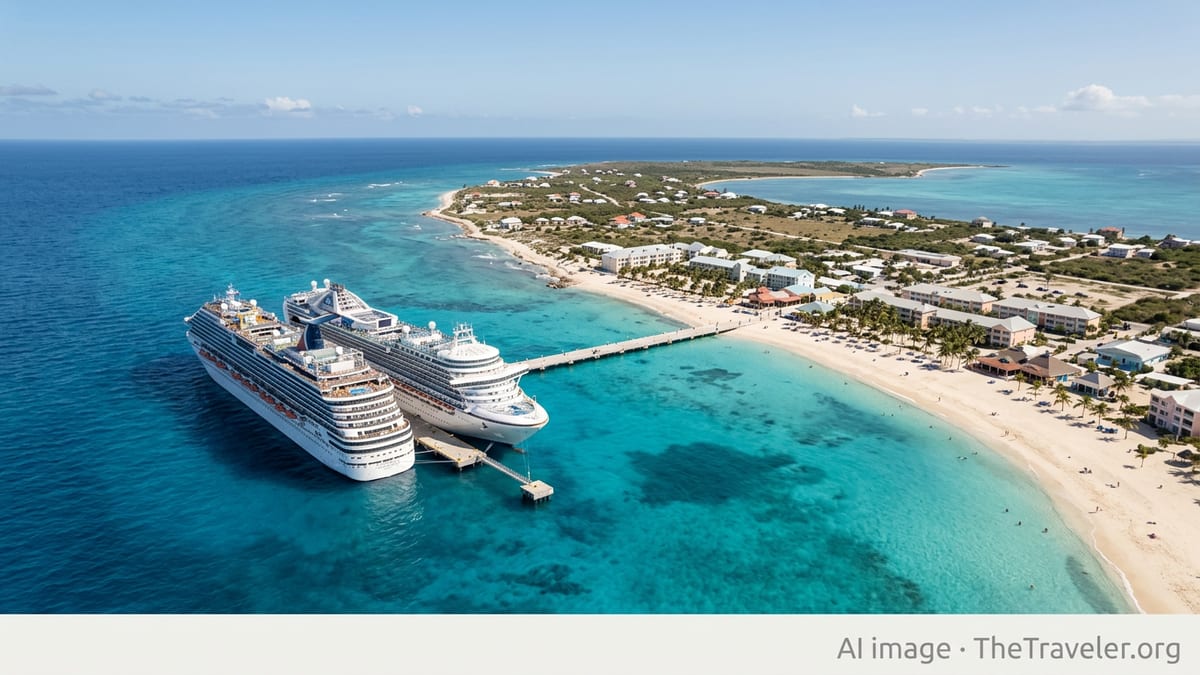
Grand Turk, a small island that serves as the territory’s main cruise port, falls under the wider Turks and Caicos advisory. Cruise industry coverage notes that the stop is especially popular with major North American cruise brands, which promote the island’s beaches, historic waterfront and snorkel sites as marquee draws on Eastern Caribbean itineraries.
Updated guidance comes amid a broader period of heightened caution in official U.S. messaging about international travel, as seen in recent worldwide advisories urging Americans to pay closer attention to local conditions and security developments wherever they sail.
Local Leaders Emphasize Context and Compare Ratings
Tourism officials and business groups in Turks and Caicos have moved quickly to frame the July update as a clarification rather than a downgrade. According to regional media reports and public statements, local stakeholders stress that the advisory’s Level 2 status is unchanged and mirrors the rating held by heavily visited destinations in Europe and the wider Caribbean.
Travel industry commentary points out that Level 2 advisories are now common for island nations that rely on cruise traffic. Analysts note that travelers sometimes mistake any update for a new or more severe warning, even when the underlying level does not change. In the case of Turks and Caicos, travel writers and regional observers describe the latest notice as a reminder to use common sense rather than a signal to cancel trips.
Business groups on Grand Turk are also emphasizing the economic importance of cruise calls. Cruise-focused publications report that the island depends heavily on day visitors for employment in tour operations, restaurants, beach clubs and transportation. Local stakeholders argue that alarmist interpretations of advisory language can undercut livelihoods without accurately reflecting day-to-day conditions in the port area.
Some regional commentary has gone further, suggesting that Turks and Caicos could theoretically issue its own cautionary notices about gun violence in the United States, underscoring tensions that occasionally arise when destination countries feel singled out by foreign advisories.
Cruise Lines Weigh Safety Guidance Against Passenger Demand
The Grand Turk update arrives at a time when cruise companies are routinely adjusting itineraries around evolving security, health and weather considerations. Public cruise guidance from U.S. agencies encourages passengers to monitor both official travel advisories and alerts issued directly by cruise lines before departure.
Industry analysts observe that a Level 2 designation alone is unlikely to prompt widespread cancellations of calls, especially when the advisory level did not change. Instead, cruise operators tend to rely on their own security assessments, port agent reports and insurance requirements, modifying schedules only if conditions deteriorate or specific incidents occur near key tourism zones.
Commentary in travel media suggests that major lines view Grand Turk as a high-demand stop that continues to score well on guest satisfaction. Reports indicate that ships calling at the island in recent months have continued to arrive with strong passenger numbers, with only normal seasonal fluctuations tied to weather and wider itinerary planning.
However, cruise planners note that repeat updates anywhere in the Caribbean contribute to a more complex risk landscape. Companies already navigate a patchwork of varying advisory levels around the region, from Level 1 destinations with minimal restrictions to locations where official guidance now urges travelers to reconsider or avoid nonessential travel.
What the Advisory Means for Travelers Headed to Grand Turk
For cruise passengers, the practical impact of the Turks and Caicos advisory is likely to be most visible in pre-cruise communications. Travel advisers and online forums indicate that more guests are being reminded to review port-specific guidance, register their trips, and verify that their travel insurance covers medical care, evacuation and last-minute itinerary changes.
Publicly available safety tips for cruise travel continue to emphasize basic precautions that apply in Grand Turk as in other ports. These include staying with reputable tour operators, securing valuables, moderating alcohol consumption and remaining in well-trafficked areas, particularly after dark. Travelers are also urged to pay close attention to local laws around items such as ammunition, which can carry severe penalties in Turks and Caicos even when brought in unintentionally.
Travel writers note that some passengers may choose to book ship-sponsored excursions instead of independent tours in destinations where advisories highlight crime risks. Cruise planners say this can provide an added layer of coordination between the ship and local partners if conditions change rapidly or if a security incident affects operations during a port day.
At the same time, many Caribbean specialists stress that an advisory at Level 2 is not a directive to stay home. Instead, it is framed as a prompt to weigh risks carefully, stay informed and adopt practical measures to reduce exposure to potential problems while still enjoying time ashore.
Balancing Perception, Risk and a Crucial Cruise Economy
The disagreement over the Grand Turk advisory reflects broader tensions between risk communication and tourism recovery across the Caribbean. Governments want potential visitors to be informed, but they also worry that blunt language can overshadow improvements in policing, community initiatives and tourism security programs that do not always make headlines.
Observers say that managing perception has become almost as important as managing risk itself. A single advisory update or viral social media post can influence booking decisions far from the region, especially for first-time cruisers weighing whether to disembark in a port they know only by name.
For now, Grand Turk remains firmly embedded in mainstream cruise itineraries, with ships continuing to call and new passengers discovering the island’s beaches, reefs and compact historic district. While the refined U.S. advisory has stirred debate, most available reporting suggests that the port’s future will be shaped less by a single update and more by the ongoing day-to-day work of keeping visitors informed and safe while protecting an economy built around the sea.