


More news on this day
Travellers in Greater Manchester are being urged to plan ahead as a combination of rail disruption, Metrolink engineering work and localised policing measures continues to affect journeys across the region in late August 2026.
Get the latest news straight to your inbox!
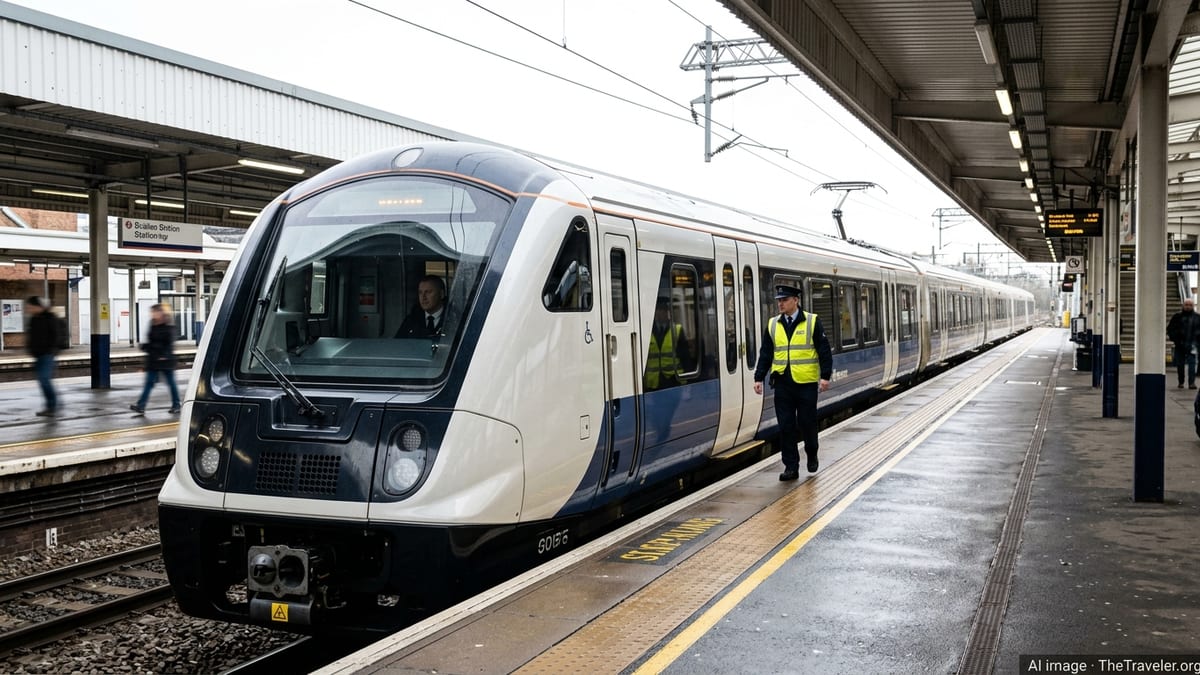
Rail Disruption Continues After Major Power Failure
Rail passengers in Greater Manchester are still dealing with the knock-on effects of a major power issue earlier this month that caused widespread cancellations across the North West. Publicly available information from train operators and infrastructure managers describes the 6 August incident as a significant failure affecting signalling and power supplies around Manchester, resulting in extensive disruption and a temporary "do not travel" message on some routes.
Published updates from Network Rail and Northern show that ticket acceptance was put in place across multiple operators, with passengers advised they could use Bee Network buses and Metrolink services on reasonable routes while trains were severely limited. The same material records that tickets dated for 6 August were accepted on 7 August to help clear backlogs, highlighting the scale of the disruption and the challenge of returning services to normal. ([networkrailmediacentre.co.uk](https://www.networkrailmediacentre.co.uk/news/passengers-warned-of-major-rail-disruption-across-the-north-west-today?utm_source=openai))
Although the most acute phase of the incident has passed, recent coverage indicates that rail operations around Manchester remain vulnerable to further problems. A broken-down train between Manchester Oxford Road and Salford Crescent on 11 August halted services on a key corridor linking the city centre with Salford and beyond, again requiring replacement road transport and ticket acceptance on local buses. ([salfordnow.co.uk](https://www.salfordnow.co.uk/2026/08/11/disruption-as-broken-down-train-blocks-line-between-salford-and-manchester/?utm_source=openai))
Separate National Rail notices point to additional localised issues, including temporary disruption between Manchester Piccadilly and Manchester Airport on 28 August, underlining the need for passengers to monitor live departure boards and journey planners on the day of travel. ([nationalrail.co.uk](https://www.nationalrail.co.uk/service-disruptions/manchester-piccadilly-20260828/?utm_source=openai))
Engineering Works and Replacement Services Across the Network
On top of unplanned incidents, planned engineering activity is also affecting travel across Greater Manchester. Network Rail engineering works have been scheduled on routes including the line between Manchester Piccadilly and Rose Hill Marple on 8 August, with buses replacing trains for the duration of the work. Notices advise that no train or replacement bus runs on the Sunday, leaving some communities temporarily without a rail option and increasing pressure on parallel road routes. ([nationalrail.co.uk](https://www.nationalrail.co.uk/engineering-works/rose-hill-marple-8-august-20260808/?utm_source=openai))
Further infrastructure upgrades around Manchester Victoria and on routes into Rochdale have been trailed in advance through stakeholder updates and public transport forums. These highlight a pattern of multi-day closures and line restrictions where direct rail services are replaced by a mix of fast and stopping bus links between key hubs such as Manchester Victoria and Rochdale, with passengers warned of longer journey times and the potential for congestion at interchange points. ([reddit.com](https://www.reddit.com/r/manchester/comments/1vebh25/psa_the_tram_work_in_the_city_centre_recently/?utm_source=openai))
Transport strategy documents from the Greater Manchester Combined Authority also indicate that 2025 and 2026 are being used as intensive periods for track renewals and related projects. The material describes temporary line closures, use of rail replacement buses and efforts to coordinate works across different corridors in three phases spread across the year. While the long term objective is a more reliable and integrated Bee Network, the short term impact for passengers is a series of rolling disruptions that can make journey planning more complex. ([civico.net](https://www.civico.net/gmca/documents/74237549/download?utm_source=openai))
For travellers, the practical effect is that even routine trips may involve changes to usual routes. Public guidance from operators repeatedly recommends checking for planned engineering works before setting out, especially at weekends and bank holidays when the most intrusive works are often scheduled.
Metrolink and Bee Network Users Urged to Check Before They Travel
Metrolink services, now an integral part of the wider Bee Network, are also subject to both planned and unplanned disruption. Travel alerts issued through the Bee Network platform show that tram services on lines serving Rochdale and other northern districts face temporary closures, with replacement buses deployed between affected stops. Passengers using Manchester Airport Metrolink stop are being advised that the main escalator is currently out of service, which may affect access times for those with luggage or reduced mobility. ([tfgm.com](https://tfgm.com/travel-updates/travel-alerts?mode=bus&utm_source=openai))
Longer term documentation linked to the 2025 to 2026 Metrolink season notes that further disruption is anticipated during this period as upgrade programmes continue. The information flags that works may affect frequencies and require occasional full line closures, again with buses filling the gap. The advice from public transport sources is consistent: travellers should check the Metrolink section of the Bee Network site before setting off and allow extra time when interchanging between tram, rail and bus. ([mancity.com](https://www.mancity.com/meta/media/pntpioep/final-2025-26-season-ticket-tcs.pdf?utm_source=openai))
At the same time, local commentary around the temporary shutdown of parts of the Metrolink network this summer points to significant impacts for commuters and event-goers. Reports describe how closures on city centre routes can lengthen journeys to major venues and employment areas, pushing more passengers onto already busy bus services and road corridors. This combination of planned works and high seasonal demand means even small incidents can have a rapid ripple effect across the system. ([reddit.com](https://www.reddit.com/r/manchester/comments/1umk5xu/metrolink_shutdown_july_13th_august_3rd/?utm_source=openai))
Weather, Road Incidents and Policing Measures Add to Travel Pressures
Beyond the rail and tram network, weather conditions and road incidents are contributing additional uncertainty for those travelling in and around Greater Manchester. Recent hot weather has prompted train operators to issue specific travel advice, with references to reduced timetables and speed restrictions on some routes in the region during periods of extreme heat. These measures are designed to protect infrastructure but can lead to fewer services and longer journey times, particularly on exposed stretches of track. ([northernrailway.co.uk](https://www.northernrailway.co.uk/travel/hot-weather-travel-advice-august-12-13?utm_source=openai))
On the roads, publicly available appeals from Greater Manchester Police show ongoing investigations into serious collisions on key arteries such as Hyde Road in Gorton. While each incident is localised, closures for collision investigation and recovery tend to cause significant delays and diversion of traffic onto nearby residential streets, affecting bus reliability and general journey times for drivers. ([gmp.police.uk](https://www.gmp.police.uk/news/greater-manchester/news/?utm_source=openai))
Policing measures are also directly shaping travel in certain districts. A Section 60 and 60AA order has been confirmed for a defined area of Oldham following recent disturbances, giving officers extended stop and search powers and the ability to require the removal of face coverings. Although road closures have not been widely reported in connection with this order, the additional police activity and potential for short notice interventions may slow traffic and public transport in parts of the borough. ([gmp.police.uk](https://www.gmp.police.uk/news/greater-manchester/news/news/2026/august/section-60-in-place-following-reports-of-disturbances-in-oldham/?utm_source=openai))
In the aviation sector, an earlier hoax call relating to an aircraft heading to Manchester Airport illustrates how security alerts can quickly translate into travel disruption. Published updates from Greater Manchester Police describe how such incidents divert emergency resources and can lead to operational delays while threats are assessed and ruled out. Travellers heading to or from the airport are therefore advised by operators to allow extra time, particularly when wider rail or Metrolink disruption is already limiting surface transport options. ([gmp.police.uk](https://www.gmp.police.uk/news/greater-manchester/news/news/2026/july/officers-investigate-hoax-call-linking-to-an-aircraft-heading-to-manchester-airport/?utm_source=openai))
Advice for Travellers in Greater Manchester This Week
Given the combination of infrastructure works, residual rail disruption, Metrolink changes and localised policing measures, publicly accessible travel alerts across the Bee Network and National Rail systems are consistently advising passengers to check their journeys on the day of travel. Real-time journey planners, operator apps and station displays are being highlighted as the most reliable way to confirm whether services are running and what replacement options exist.
For those who must travel, guidance from operators suggests planning alternative routes in case of late cancellations and considering earlier departures to build in a margin for delays. Passengers connecting between rail, tram and bus are encouraged to pay particular attention to interchange points such as Manchester Piccadilly, Manchester Victoria, Salford Crescent and the main city centre tram stops, where crowding can develop quickly when services are disrupted.
Road users are being reminded that rail and tram disruption often results in higher traffic volumes on key corridors into the city centre and around the ring road. Allowing extra time, checking live traffic feeds and being prepared for short notice diversions near incident scenes or policing operations can help reduce stress and missed connections.
Overall, current conditions mean that travel in Greater Manchester during late August 2026 requires more preparation than usual. Publicly available information from transport providers indicates that while major projects aim to deliver a more integrated and resilient Bee Network in the coming years, passengers in the short term should expect intermittent disruption across modes and plan accordingly.
Transport for Greater Manchester travel updates
National Rail service disruption pages