


More news on this day
Tokyo’s Haneda Airport is preparing to open new terminal facilities in September as operators respond to robust passenger growth and continued recovery in both domestic and international air travel demand.
Get the latest news straight to your inbox!
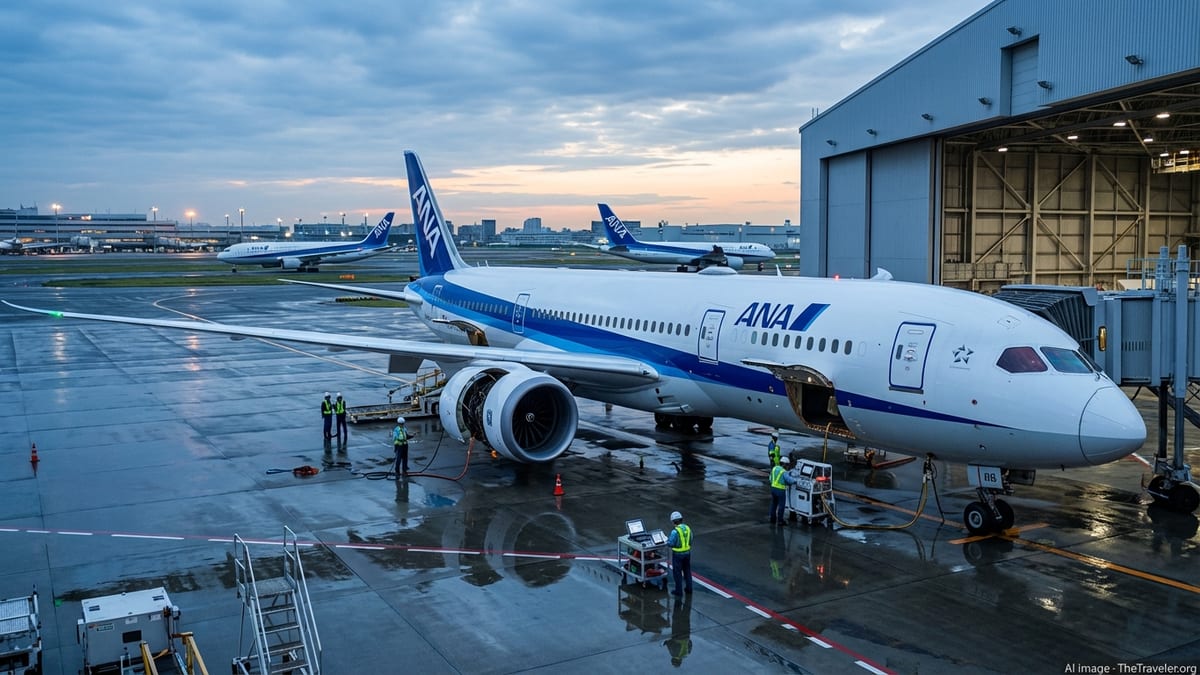
New North Satellite to Boost Capacity from September 1
Publicly available information from Haneda Airport indicates that a new North Satellite facility at Terminal 1 is scheduled to open for service on September 1, 2026. The project is described as part of a broader effort to accommodate future increases in air travel demand while improving convenience for passengers using the airport’s largest domestic terminal.
The North Satellite will add new contact gates for aircraft and additional boarding areas connected to Terminal 1. This configuration is designed to ease pressure on existing gate infrastructure during peak hours and to help airlines schedule more frequent flights on busy routes linking Tokyo with major Japanese cities.
Airport operators describe the satellite facility as a way to streamline passenger flows by separating some boarding and arrival traffic from the main terminal concourse. This is expected to reduce congestion around security checkpoints and departure lounges, creating a more predictable experience for travelers transiting Haneda at busy times of day.
The opening comes as Haneda continues to rank among the world’s busiest airports by passenger numbers. With limited space for new runways, recent capacity gains have largely depended on incremental terminal improvements and operational changes across the existing airfield.
Rising Demand Underscores Importance of Haneda Hub
Data released by Japan’s transport authorities show that passenger volumes at Haneda have been climbing steadily as international travel restrictions recede and domestic tourism rebounds. Recent utilization reports for the Tokyo metropolitan airport system point to sustained increases in movements on both full-service and low-cost carriers using Haneda’s domestic and international facilities.
Haneda plays a central role in connecting Tokyo with regional centers throughout Japan and serves as a key domestic feed for long-haul international services. Prior expansions, including the opening of Terminal 3 for international flights and the gradual introduction of more long-haul routes, have shifted some traffic from Narita while keeping Haneda’s airfield operating close to its design capacity.
Local government materials on airport policy note that further strengthening Haneda’s functions is viewed as critical for the capital’s competitiveness and for supporting tourism targets. Plans highlighted at the metropolitan level place emphasis on balancing the airport’s role as an international gateway with its function as Japan’s primary domestic hub.
This context has shaped the latest round of terminal improvements. Rather than a single large-scale new building, the focus is on satellite expansions, circulation upgrades and operational refinements that can be delivered within the airport’s constrained footprint along Tokyo Bay.
Terminal Enhancements Aim to Improve Passenger Experience
Alongside new gate capacity, adjustments to passenger handling procedures are being introduced at Haneda in September. All Nippon Airways has announced that from September 2026, checked baggage acceptance for its domestic flights departing Haneda will close 30 minutes before departure, a change from earlier cut-off times. The measure is presented as part of efforts to keep departure operations punctual as overall traffic grows.
Updated guidance from Haneda’s passenger terminal operator also highlights improvements to wayfinding for international departures and arrivals, particularly at Terminal 2 where a growing number of overseas services now depart. Information pages emphasize that check-in locations and boarding procedures vary by airline, reflecting the more complex mix of carriers using the airport since international slots were expanded.
Airport planners have pointed to passenger convenience as a key objective in recent projects, including reconfigurations of access roads, parking approaches and terminal circulation routes. Notices from the Tokyo Civil Aviation Bureau detail a series of roadway adjustments around the terminal complex intended to ease traffic flows and support the new terminal arrangements.
Together, these steps indicate a coordinated approach in which physical expansion of gates is paired with procedural and landside changes designed to handle larger passenger volumes without significantly extending journey times through the airport.
Strategic Role Ahead of Major Events and Tourism Goals
Policy documents from national and metropolitan authorities continue to frame Haneda’s development as central to long-term tourism and business travel objectives. While the Tokyo 2020 Games originally accelerated discussions around capacity, the subsequent recovery phase has reinforced the need for resilient infrastructure that can absorb surges in demand.
The September opening of the Terminal 1 North Satellite aligns with this trajectory by incrementally lifting capacity while maintaining operations at an already busy airport. Additional satellite and pier-style expansions remain under consideration as authorities evaluate future demand scenarios, environmental impacts and neighborhood concerns such as aircraft noise.
For airlines, the expanded facilities at Haneda provide opportunities to refine network plans and add frequencies on competitive domestic corridors, while also supporting the continued build-out of international services from Terminals 2 and 3. For travelers, the immediate effects will be felt in the form of new boarding areas, revised check-in cut-offs and updated directions across the terminal complex.
As Japan targets higher inbound visitor numbers over the coming years, Haneda’s ability to process more passengers efficiently will remain a focal point of aviation policy. The September terminal expansion marks the latest step in a multi-decade effort to adapt one of the world’s most space-constrained airports to modern traffic levels.
Haneda Airport Passenger Terminal 2026 Topics
ANA Haneda Airport Terminal 2 Guide
Tokyo Civil Aviation Bureau Haneda Airport information
Tokyo Metropolitan Government materials on Haneda Airport development