


More news on this day
Heathrow Airport is sharpening its focus on stress-free travel for passengers who need extra support, introducing a dedicated access route into Terminal 3’s security area alongside wider upgrades to its assistance offering.
Get the latest news straight to your inbox!
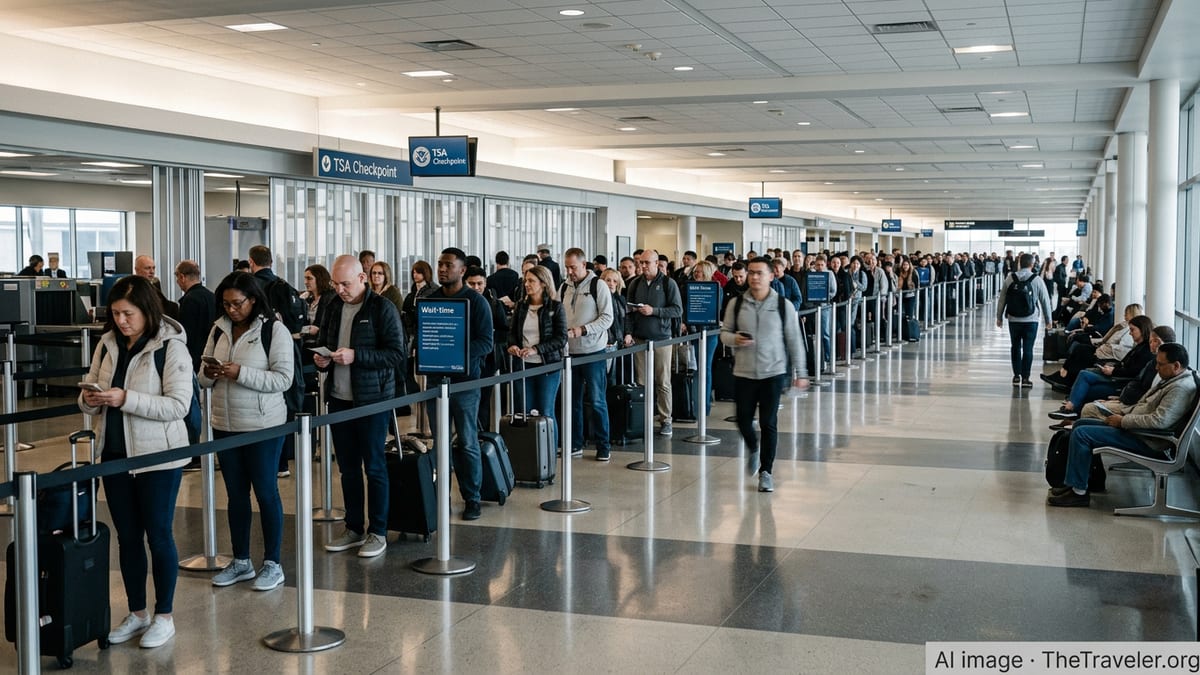
New Dedicated Access to Terminal 3 Security
Publicly available information from Heathrow’s own guidance shows that passengers departing from Terminal 3 can now use a specially designated entry point leading into the security search area when they pre-book a Heathrow Timeslot, a system designed to smooth the flow of travellers at busy periods. While the Timeslot scheme does not guarantee a separate screening lane, it provides an organised, timed approach to entering security that aims to reduce uncertainty and queues for eligible passengers.
Alongside the Timeslot entry point, Heathrow states that passengers who have requested special assistance in advance are guided to security via a separate designated route, distinct from the main queuing area. This arrangement is intended to create a calmer, more predictable experience for travellers with mobility challenges or other access needs, helping them bypass congested zones that can increase stress and fatigue.
The latest assistance departure guidance highlights that dedicated assistance and accessibility security lanes are now available in Terminals 2, 3 and 5, signalling a coordinated programme across multiple parts of the airport. In Terminal 3, those lanes are used in combination with the separate access route for assisted passengers, giving staff more flexibility to manage vulnerable travellers through what is often the most demanding stage of the airport journey.
These steps reflect broader efforts across UK aviation to respond to regulatory feedback on accessibility. Earlier assessments by the UK Civil Aviation Authority noted that Heathrow did not consistently provide separate security lanes for disabled and less mobile passengers, and referenced trials of designated lanes in Terminal 2. The move to embed assistance-focused access in Terminal 3 suggests that lessons from those trials are now informing day-to-day operations.
Expanded Assistance Network Throughout Terminal 3
Heathrow’s assistance and accessibility pages indicate that Terminal 3 has been structured to support passengers who need help well before they reach security. Assistance areas are located in the departures zone both before and after security, as well as in the arrivals hall, offering multiple points where travellers can request support, rest, or adjust their journey plans.
For departures, the main pre-security assistance area in Terminal 3 is situated on Level 1 above check-in zones A and B, providing a clearly signposted location for passengers who have pre-booked help through their airline or who realise on the day that they may need additional support. From there, dedicated teams coordinate escort services to security and onwards through the terminal.
After security, Heathrow notes that there is further assistance capacity in Terminal 3, including additional seating and quiet waiting spaces near retail areas. These spaces can be particularly important for passengers with reduced stamina, non-visible disabilities, or anxiety about crowded environments, allowing them to pause away from the busiest parts of the departure lounge.
Help points, which connect travellers directly with assistance staff at the press of a button, are also embedded across the airport campus, including official car parks, public transport arrival points and within terminal buildings. This means that passengers who find the route to Terminal 3 confusing or physically demanding can call for guidance or physical support long before their scheduled security time.
Support for Non-Visible Disabilities and Hidden Needs
In addition to physical accessibility changes, Heathrow is developing a suite of measures aimed at passengers with non-visible disabilities, many of whom may find security screening particularly challenging. According to the airport’s information on non-visible disabilities, Heathrow participates in the UK-wide Sunflower Lanyard scheme, which allows travellers to discreetly indicate that they may need extra time, clearer communication or a quieter environment.
Sunflower lanyards are available free of charge from assistance desks in every terminal, including Terminal 3. Staff are trained to recognise the symbol and adjust their approach, for example by providing step-by-step explanations of security procedures, allowing additional time to prepare trays, or directing passengers to less crowded assistance lanes where possible.
Heathrow also promotes sensory support for those who may be overwhelmed by the visual and auditory intensity of major hubs. The airport’s non-visible disability guidance outlines that sensory packs are offered in all terminals, designed to help travellers manage the noise, lights and movement that typify large security halls and departure lounges.
These initiatives sit alongside digital tools such as the Heathrow app, which provides flight updates, maps and directions to assistance points. For passengers who prefer to plan in detail, these resources can reduce anxiety around navigating Terminal 3 and anticipate the moment when they move from check-in to the controlled security environment.
Aligning With Industry Expectations on Accessibility
The evolution of assistance at Heathrow, including the dedicated route into Terminal 3 security, is taking place against a backdrop of heightened regulatory and public scrutiny of how large airports cater to disabled and less mobile passengers. Civil Aviation Authority accessibility assessments have previously underlined the value of dedicated security lanes and clear communication about support options at major UK hubs.
Reports from the regulator on Heathrow have highlighted both areas of strength in the airport’s assistance provision and recommendations for improvement, including more consistent promotion of walking distances and clearer signposting of support for those who may struggle with long corridors or complex terminal layouts. The development of assistance-focused access points to security in multiple terminals indicates a response to those themes.
Airlines using Terminal 3, such as British Airways and other long-haul carriers, also direct customers with access needs towards Heathrow’s central accessibility information, emphasising that support must be booked in advance through the carrier so details can be shared with the airport. This model is intended to ensure that staff and resources are in place at the right time, including for the critical security stage of the journey.
For connecting passengers, Heathrow’s assistance connections guide notes that those transferring between terminals can be escorted by fully accessible transfer buses and then taken to assistance areas before security in their onward terminal. With Terminal 3 handling a significant share of long-haul and alliance flights, the availability of structured assistance along this route is a key factor in keeping tight connections viable for those who cannot move quickly or independently.
What Travellers Should Know Before Using the New Arrangements
For travellers planning to take advantage of the dedicated access into Terminal 3 security or the related assistance lanes, advance preparation remains essential. Heathrow and partner airlines consistently advise passengers who may need help to request assistance at least 48 hours before travel, allowing ground handlers to schedule support from arrival at the terminal through to boarding.
Those departing from Terminal 3 on eligible flights can book a Heathrow Timeslot online, selecting a 15-minute window in which they plan to arrive at the security entry point. The system is framed as an access-controlled entry route rather than a separate scanning line, so passengers are still advised to allow ample time for the overall screening process and subsequent walk to the gate.
Travellers with non-visible disabilities or who are uncertain about whether they qualify for assistance are encouraged, through Heathrow’s published material, to use help points or visit assistance desks in Terminal 3 to discuss available options. This can include being guided through the dedicated security access route, helped with baggage at checkpoints, or escorted to quieter waiting areas once screening is complete.
Overall, the combination of a defined access point into Terminal 3 security, dedicated assistance lanes and an expanded network of support services indicates a concerted attempt by Heathrow to make one of Europe’s busiest terminals more manageable for passengers who find the traditional airport model overwhelming. As travel volumes remain high, these changes are likely to play a central role in how the airport is judged on accessibility and passenger experience in the coming seasons.
Heathrow Assistance Departure Guide