


More news on this day
Nearly 150 passengers and crew are stranded aboard the expedition cruise ship MV Hondius off the coast of Cape Verde after a suspected hantavirus outbreak killed three travelers and left several others seriously ill, prompting an urgent international public health response.
Get the latest news straight to your inbox!
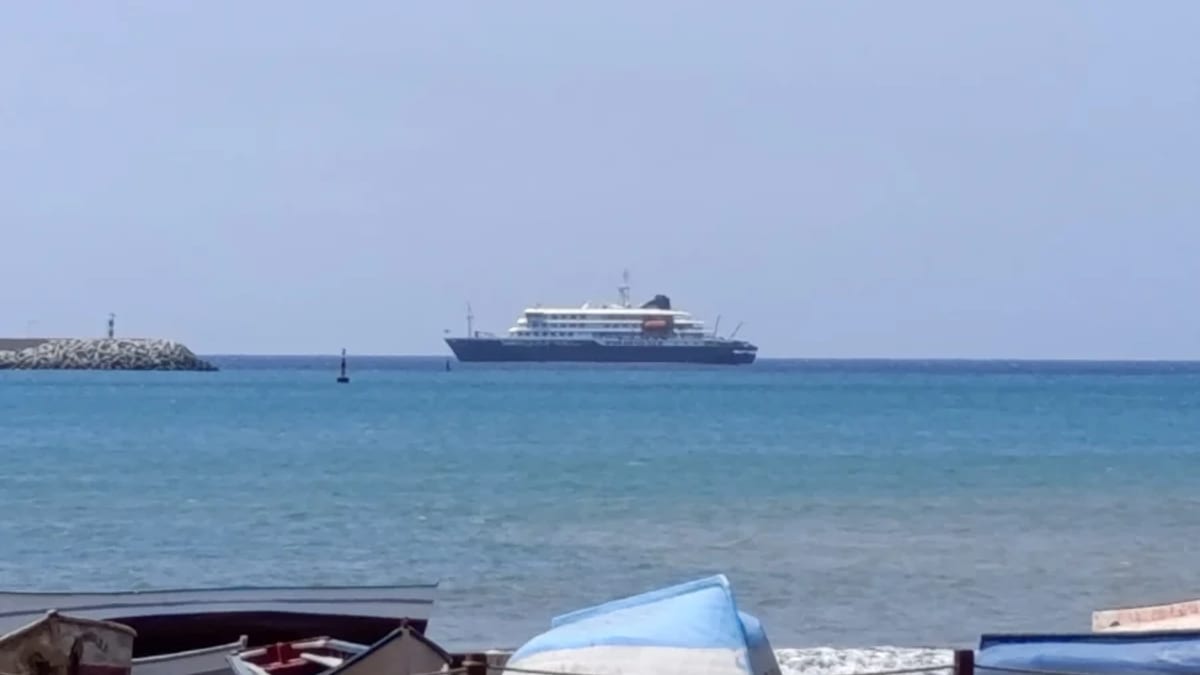
Stricken Ship Held Off Cape Verde After Fatal Illness
The Dutch-flagged MV Hondius has been anchored off the Atlantic archipelago of Cape Verde as health authorities assess a cluster of severe respiratory illnesses that began emerging in late April. Publicly available information indicates that three passengers, described in multiple news reports as two Dutch nationals and a German citizen, died after developing symptoms consistent with hantavirus infection during or shortly after the voyage.
Coverage from international outlets indicates that at least four additional people connected to the voyage have fallen seriously ill, including a British passenger who disembarked earlier and was later hospitalized in South Africa. The World Health Organization has characterized the situation as a rare suspected outbreak of hantavirus aboard a passenger vessel, a setting where the virus has seldom been documented.
Footage published by The Associated Press and other media shows largely deserted outer decks, medical personnel in protective suits moving between areas of the ship, and a still seascape as the vessel waits offshore. Reports indicate that most of the nearly 150 people on board, a mix of passengers and crew, have been instructed to stay inside their cabins while testing and risk assessments continue.
Voyage From Argentina Turns Into Emergency
According to published itineraries, the Hondius departed from Ushuaia in southern Argentina in March on an expedition-style cruise intended to cross the South Atlantic and reach Spain’s Canary Islands, with stops that included Antarctic or sub-Antarctic waters and remote Atlantic islands. The ship, known for polar and adventure itineraries, was carrying a passenger list reported to be predominantly British, American, and Spanish travelers, alongside other European nationals.
The voyage proceeded for several weeks before the first severe illness was identified. Subsequent reports indicate that at least one passenger became critically ill and was evacuated to South Africa, where hantavirus infection was later confirmed. As more suspected cases emerged, the ship’s planned calls were disrupted and port authorities in Cape Verde declined to allow a general disembarkation, citing public health concerns.
The resulting impasse has left travelers in an extended quarantine at sea reminiscent of early pandemic-era cruise disruptions, though the pathogen involved and transmission dynamics are different. Travel industry analysts note that the incident highlights how expedition and repositioning cruises that traverse remote regions can face complex logistical challenges when serious medical emergencies arise far from major ports.
Seven Confirmed or Suspected Hantavirus Cases Under Review
Recent summaries from Reuters, the Associated Press, and regional outlets in Europe and Africa indicate that there are now seven confirmed or suspected hantavirus infections linked to the Hondius voyage. One case has been laboratory confirmed, while others are being classified as probable or suspected based on clinical symptoms and exposure history.
The World Health Organization has stated that the pattern of illness suggests a strong likelihood of hantavirus being the underlying cause, though full genomic and epidemiological investigations are ongoing. Some coverage notes that health experts are examining whether a South American strain, such as Andes virus, may be involved, because that variant has on rare occasions shown human-to-human transmission, unlike most hantaviruses, which are typically acquired through exposure to infected rodent droppings.
Cruise medicine specialists consulted in media reports say the small size of the passenger manifest and the relatively contained timeline of symptom onset could aid investigators in reconstructing exposure events. They also caution that even a limited number of severe cases can place significant pressure on medical facilities when patients require intensive respiratory support, particularly if evacuation flights or suitable port facilities are delayed.
WHO, Spain and Cape Verde Coordinate Next Steps
Public statements from the World Health Organization and European health ministries describe an evolving plan to move the Hondius away from Cape Verde and toward a port in Spain’s Canary Islands, where passengers could be disembarked and further monitored. Spanish health officials have outlined proposals to board the vessel, assess each person’s health status, and separate any remaining high-risk contacts before onward travel.
Meanwhile, Cape Verdean authorities have allowed limited medical access to the ship while maintaining restrictions on general disembarkation. Reports indicate that evacuation efforts for at least two symptomatic crew members have been organized with the support of international partners, amid concerns about their clinical condition and the need for specialized care on land.
The coordination effort spans multiple jurisdictions, including the ship’s Dutch flag state, the operator’s headquarters, West African coastal states, and European public health agencies. Observers note that the case is testing established protocols for managing serious but relatively rare infectious diseases on international voyages, where lines of responsibility and capability can be complex.
Travel Industry Watches for Repercussions
The incident comes during a period of strong recovery for the global cruise sector, which has been rebuilding capacity and traveler confidence after the disruptions of the COVID-19 pandemic. Travel-market analysts quoted in financial and trade media say that while the Hondius outbreak involves a small expedition vessel rather than a megaship, images of a quarantined cruise liner and reports of a deadly virus at sea carry powerful echoes for many prospective travelers.
Cruise operators have spent recent years revising medical capabilities, isolation procedures, and outbreak-response plans on board. This case is expected to prompt renewed scrutiny of pre-embarkation screening, onboard surveillance for unusual clusters of illness, and coordination agreements with ports along remote routes. Industry observers suggest that expedition and adventure itineraries, which often include landings in rodent-inhabited wilderness areas, may face especially pointed questions about risk assessments and mitigation measures.
For now, nearly 150 people remain confined to their cabins on the Hondius, awaiting permission to sail to a port equipped to receive them. As laboratory results accumulate and investigators reconstruct the chain of infection, the episode is likely to become a reference case in how the cruise and public health sectors respond to high-consequence but infrequent infectious threats on the open sea.