


More news on this day
Passengers on a Dutch-flagged expedition cruise are stranded off Cape Verde after three people died and several others fell seriously ill in a suspected hantavirus outbreak, leaving nearly 150 travelers and crew confined to their cabins while authorities assess the health risk.
Get the latest news straight to your inbox!
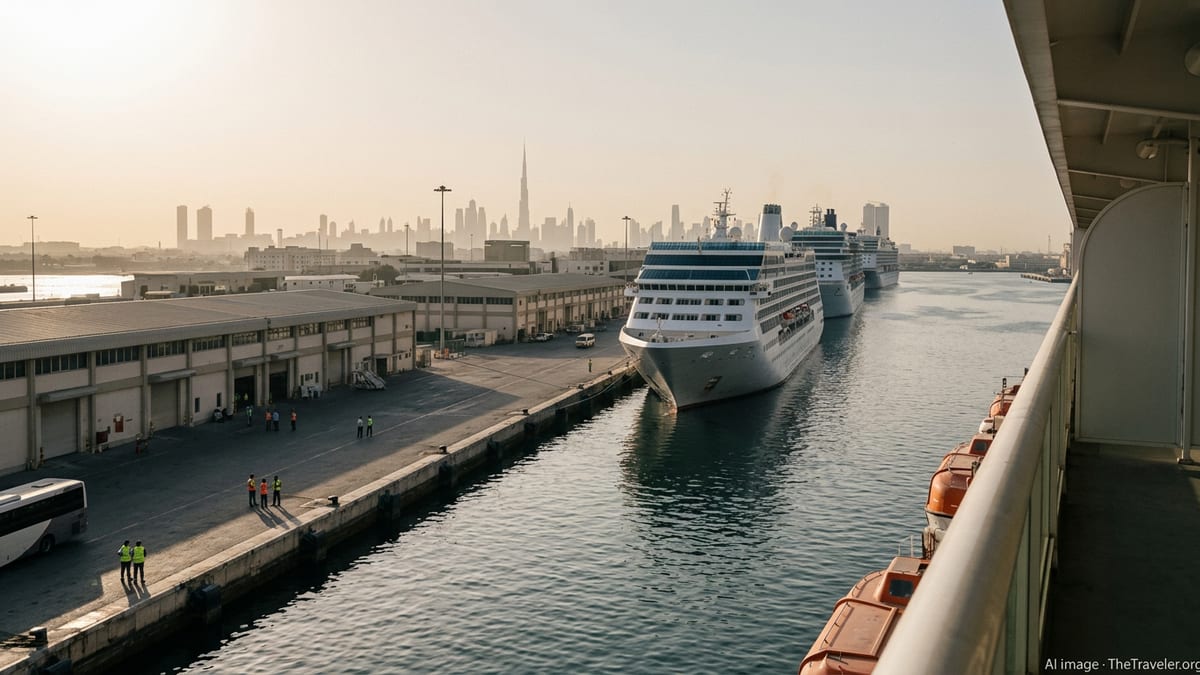
Ship held offshore after deaths linked to rare virus
The MV Hondius, a polar expedition vessel operated by a Dutch company, has been anchored off the Cape Verde archipelago since the start of the week after local authorities declined to allow disembarkation at Praia, the islands’ capital. Publicly available information indicates that three passengers have died since mid April and that multiple others have developed severe respiratory symptoms consistent with hantavirus infection.
The cruise, which departed Ushuaia in southern Argentina on March 20 and was scheduled to end in Cape Verde on May 4, had followed a remote South Atlantic itinerary including Tristan da Cunha, Saint Helena and Ascension Island before diverting toward Praia as medical cases escalated. Tracking data and published reports describe the ship now sitting offshore while officials in Cape Verde, South Africa and the Netherlands coordinate the response.
According to summaries of a statement from the World Health Organization and national health agencies, one infection has been laboratory confirmed as hantavirus, with at least six additional suspected cases among passengers and crew. The three deaths include an elderly Dutch couple and a third passenger whose illness was identified later, all of whom developed symptoms during or shortly after the voyage.
Local coverage from Praia describes the vessel as effectively barred from normal port calls, with permission granted only for tightly controlled movements of medical staff and supplies. Footage obtained by international outlets shows empty decks, cordoned off common areas and medical personnel in protective gear boarding and leaving by launch.
Life on board under isolation orders
Accounts published by global and regional media outlets indicate that most of the roughly 150 people on board have been instructed to remain in their cabins while testing and contact tracing continue. Meals are reported to be delivered to doors, and group activities and shore excursions have been suspended since the scale of the outbreak became clear.
Reports describe a subdued atmosphere on what was marketed as a once in a lifetime expedition cruise across the South Atlantic. Instead of Zodiac landings and wildlife viewing, passengers now face days of uncertainty, limited outdoor access and constant health checks, with many said to be monitoring developments via patchy internet connections and televised news bulletins.
The ship’s operator has stated in public communications that onboard medical facilities were expanded early in the voyage and that symptomatic passengers were quickly isolated once serious illness was detected. External coverage of those statements indicates that crew members have been deployed to support cabin based isolation measures and to reinforce hygiene protocols in shared corridors and service areas.
While no broad shortage of supplies has been reported, articles citing passengers’ social media posts suggest growing anxiety about how long the stalemate off Cape Verde might last and where, ultimately, travelers will be allowed to disembark. For many on board, the prolonged uncertainty now rivals the health threat as the most challenging aspect of the experience.
Evacuations and a possible rerouting to Canary Islands
Reports from international wire agencies and broadcasters indicate that plans are advancing to evacuate the most seriously ill people from the ship for specialist treatment on shore. At least one passenger is in intensive care in Johannesburg, having been airlifted earlier in the outbreak, and coverage indicates that additional medical evacuations are being organized for others who require urgent hospital care.
The ship’s owner has said in statements quoted by multiple outlets that the current strategy is to move the vessel to Spain’s Canary Islands once critically ill cases have been transferred to shore on medically equipped flights. The proposed routing would take the MV Hondius north from Cape Verde across the eastern Atlantic, potentially allowing passengers to disembark in a European port with more extensive infectious disease infrastructure.
However, it remains unclear when the ship will be permitted to leave its current anchorage. Publicly available information suggests that Cape Verde’s health authorities are insisting on strict containment measures while investigations continue, and that any onward movement will depend on agreements between governments, port states and the cruise operator.
For passengers, the prospect of a multi day repositioning voyage to the Canary Islands raises further questions about testing, quarantine on arrival and onward travel home. Travel industry analysts quoted in recent coverage note that charter flights, staggered disembarkation and hotel based isolation are among the options being discussed.
What is known so far about the suspected hantavirus outbreak
According to detailed timelines compiled by health agencies and international media, the first known fatality linked to the cruise occurred on April 11, when a 70 year old Dutch passenger died at sea with an undiagnosed severe respiratory illness. His 69 year old wife later developed similar symptoms after traveling on to South Africa and died there on April 26. Subsequent testing identified hantavirus in at least one of the couple, prompting a wider investigation into other cases connected to the ship.
Hantaviruses are a group of pathogens typically carried by rodents and transmitted to humans through contact with contaminated urine, droppings or saliva. Background information from public health bodies notes that person to person transmission is considered rare for most strains, but that infections can cause a severe and sometimes deadly form of acute respiratory disease.
In the current incident, health officials in South Africa and Europe are carrying out contact tracing for passengers who disembarked earlier and for airline travelers who may have shared flights with infected individuals. World Health Organization assessments cited in news reports describe the overall risk to the general population as low, but emphasize the seriousness of the disease for those directly affected and the need for robust infection control on board.
Investigators are also examining travel histories prior to embarkation, with several reports noting that at least one passenger had spent time in parts of South America where hantaviruses are known to circulate. Publicly available statements from the cruise company suggest that current evidence points to infections originating before boarding rather than from environmental exposure on the vessel itself, although final conclusions have not yet been published.
Renewed scrutiny on cruise health protocols
The crisis off Cape Verde has revived questions about how the cruise industry manages rare but high impact infectious diseases, particularly on smaller expedition ships that operate far from major medical facilities. Travel commentators and public health experts quoted in recent analyses point to the Hondius incident as an example of how even stringent onboard protocols can be tested by long incubation periods and complex international itineraries.
Since the Covid 19 pandemic, many lines have introduced enhanced screening, upgraded ventilation and expanded medical staffing. However, the current outbreak underscores that diseases outside the usual focus of respiratory viruses and gastrointestinal bugs can also pose significant challenges, especially when diagnosis is difficult and laboratory confirmation must be carried out on shore.
For destinations such as Cape Verde, which has invested heavily in attracting cruise calls and adventure tourism, the episode highlights the tension between protecting local health systems and supporting a key economic sector. Commentaries in regional media suggest that residents are closely watching how authorities balance the immediate need for containment with the longer term reputation of the islands as a safe gateway to Atlantic voyages.
As investigations continue, the MV Hondius remains a stark visual reminder in the waters off Praia of the lingering vulnerabilities of global travel. For now, hundreds of eyes from cabin windows and deck railings are fixed on the low coastline of Cape Verde, waiting for a decision that will allow them to step ashore and begin their journeys home.