


More news on this day
Flights at London Heathrow faced significant disruption after a grass fire near the southern runway led to a temporary runway closure, forcing arrivals and departures onto a reduced schedule and causing widespread delays and cancellations.
Get the latest news straight to your inbox!
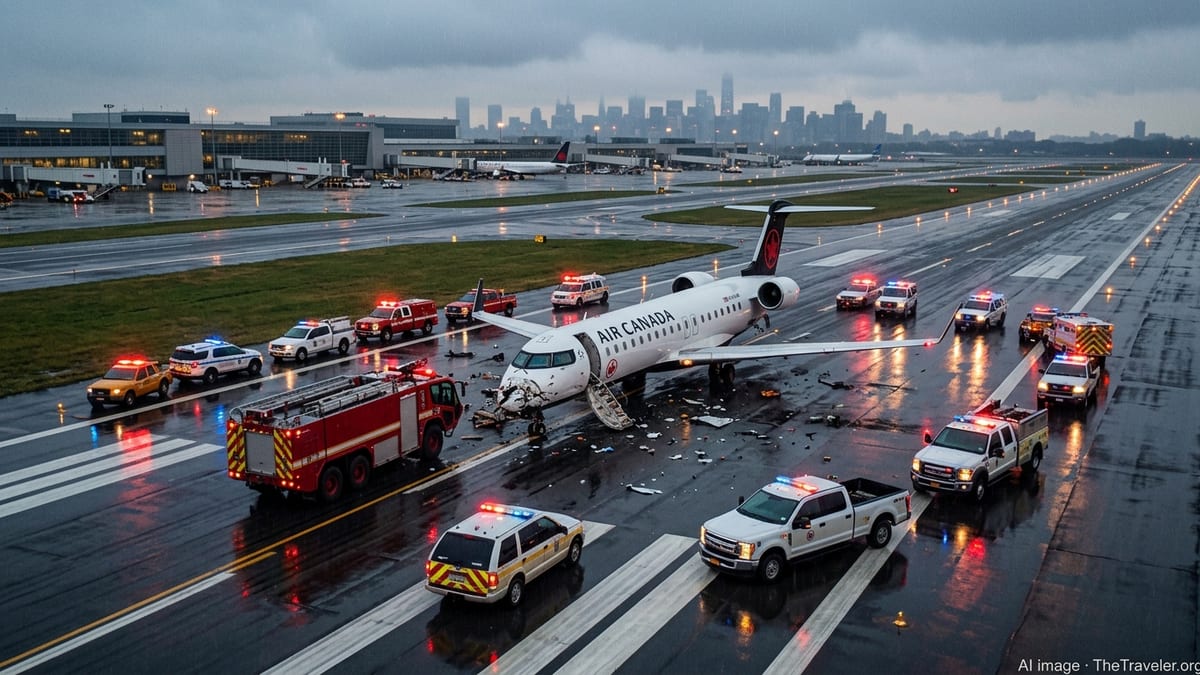
Runway closure sparks afternoon of disruption
Reports from passengers and aviation tracking platforms indicate that the incident began in the early evening when a grass fire broke out near the western end of Heathrow’s southern runway. Emergency vehicles were seen positioned along the runway and adjacent taxiways while arrivals were re-routed and departures temporarily halted.
During the height of the response, operations shifted to Heathrow’s northern runway, effectively putting the airport into single-runway mode. With Heathrow typically operating close to maximum capacity in normal conditions, this reduction immediately translated into growing queues of aircraft on the ground and holding patterns forming in the skies above west London.
While the fire itself appears to have been contained relatively quickly, the temporary loss of the southern runway created a short but intense period of disruption. Flight data platforms showed a series of go-arounds, diversions and extended taxi times as air traffic controllers and airport teams worked to reconfigure movements around the affected area.
Delayed departures, diversions and cancellations
Passengers reported sitting on stand or at the holding point for extended periods as departures were paused or heavily rationed. Some outbound flights waited on board with doors closed while the runway status changed, and crew awaited clearance in a rapidly shifting operating picture.
Several arriving aircraft were diverted to other UK airports, including Manchester and Birmingham, according to publicly visible flight-tracking information and passenger accounts. At least one service was reported to have diverted to Luton, while others extended their time in holding patterns before eventually landing on the available runway.
Airlines responded by cancelling a portion of their evening schedules where turnaround times became unworkable or crew duty limits were at risk of being exceeded. Even after the immediate fire risk passed and more regular movements resumed, residual delays continued to ripple through later departures and inbound rotations, leaving some travelers facing missed connections and overnight rebooking.
Knock-on impact for connecting passengers
As the United Kingdom’s primary international hub, Heathrow handles a significant volume of transfer traffic, and disruptions at peak times tend to propagate quickly across airline networks. This incident followed that pattern, with many passengers reporting missed long haul connections and rebookings onto later services or alternative routings.
Travelers on affected flights described being rerouted through other European hubs or regional UK airports before continuing on to their final destinations. For some, relatively modest delays at Heathrow translated into full-day itinerary changes as tight connections became impossible to meet.
Airlines began activating standard disruption procedures, including arranging hotel accommodation where required and placing passengers on the next available services. However, with evening capacity constrained and aircraft and crews out of position, options were limited in the short term and queues formed at service desks across the terminals.
Questions over infrastructure resilience during peak season
The grass fire comes at a time when Heathrow’s operational resilience is already under close scrutiny following previous high-profile interruptions linked to extreme weather and power infrastructure issues in recent years. The incident underscores how even relatively contained events near runways can lead to disproportionate disruption when an airport is running close to full capacity.
Industry observers note that any unplanned reduction in runway availability at Heathrow quickly erodes schedule flexibility. With little slack built into daily movements, a short closure or switch to single-runway operations can trigger a cascade of delays, missed slots and cancellations that extend well beyond the immediate window of the original incident.
The episode is likely to feed into ongoing discussions about how major hub airports adapt their operations and infrastructure to deal with increasing heat, drier conditions and associated fire risks around airfields, alongside more familiar challenges such as fog, storms and technical outages.
Advice for upcoming Heathrow passengers
For travelers due to fly to or from Heathrow in the coming hours, publicly available information from airlines and airport channels suggests that operations are moving back toward a more regular pattern, but with lingering delays possible as schedules are rebalanced. Aircraft and crews remain slightly out of position, and some late-evening or early-morning services may still be affected as knock-on consequences work through the system.
Passengers are being urged, via airline customer updates and travel advisories, to check the latest status of their flight before leaving for the airport and to allow extra time for check-in and security in case of congestion. Those with tight onward connections are particularly advised to monitor updates closely and consider the possibility of revised routings if delays lengthen again.
Travelers who experienced cancellations or significant delays related to the runway closure are expected to be covered by standard rebooking and refund policies, and in many cases by additional care provisions such as accommodation or meal vouchers. However, the exact entitlements vary depending on the airline and ticket type, and passengers are being encouraged by consumer advocates to retain boarding passes, booking confirmations and receipts for any extra expenses incurred during the disruption.