


More news on this day
Dense fog has settled over large parts of the United Kingdom, triggering Met Office weather warnings and causing mounting disruption across road, rail and air travel, with passengers at major airports warned to expect delays and potential cancellations.
Get the latest news straight to your inbox!
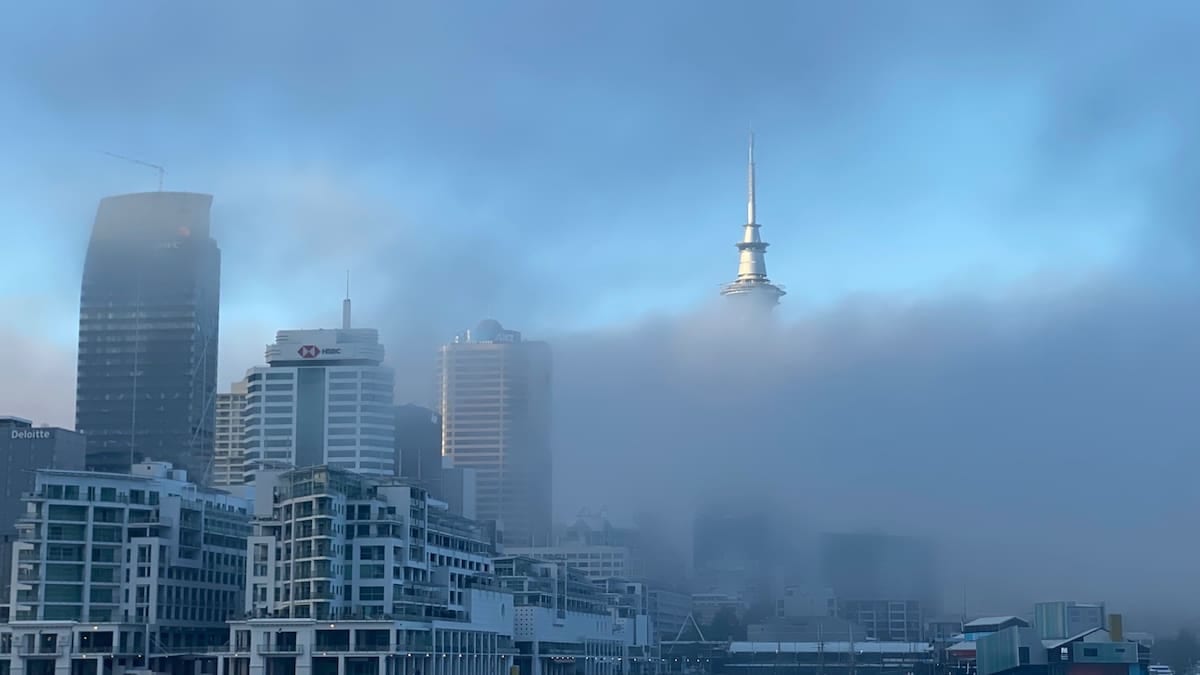
Yellow Fog Warnings Stretch Across Central and Southern England
Publicly available information from the Met Office on 9 November 2026 shows an extensive yellow warning for fog covering much of England south of Manchester, including swathes of the Midlands, East Anglia, London and the South East. The alert runs from the early evening of Monday 9 November into the morning of Tuesday 10 November, following a similar warning that was in force from Sunday evening into Monday morning.
The warning notes that dense fog is expected to form and persist overnight, with visibility in some areas likely to fall below 100 metres and, in the thickest patches, closer to 50 metres. Forecast maps indicate the highest risk along key intercity corridors, including routes linking Birmingham, London, Bristol and the eastern counties, where overnight cooling and light winds are combining to trap moisture near the ground.
According to the Met Office guidance, the yellow alert signals a high likelihood of at least moderate impact, with slower road journeys, difficult driving conditions and disruption to public transport possible. Travellers are urged through publicly available advice to allow additional time, check services before setting out and be prepared for sudden changes in visibility on otherwise familiar routes.
While Scotland, Northern Ireland and much of northern England remain outside the fog warning area, forecasts indicate that residual low cloud and patchy mist may still affect some regional routes, particularly in sheltered valleys and near the coast, even where no formal warning is in place.
Flight Delays and Cancellations at Major UK Airports
Published coverage on 9 November highlights that the fog has begun to affect aviation, with disruption reported at key hubs in the London area. Reports from national media indicate flight delays and a number of cancellations at Heathrow, where low visibility procedures limit the number of aircraft movements that can safely be handled per hour.
Further south, services at Gatwick and other airports in the warning zone are also experiencing knock-on effects, as tight turnaround times and aircraft positioning are disrupted by morning delays. Where fog is most persistent, arriving flights may be subject to diversion to airports with better visibility, extending overall journey times for passengers and complicating airline schedules for the days ahead.
Operational plans published by UK airports show that during adverse weather, including fog, air traffic capacity is reduced so that greater spacing can be maintained between aircraft on approach and departure. Airlines then revise their schedules to fit the lower capacity, which can result in proactive cancellations, particularly on short-haul routes with multiple daily frequencies.
Air passengers affected by the current conditions are being advised in publicly available airport and airline updates to check the status of their flight before travelling, use digital boarding passes and self‑service options where possible, and be prepared for longer waits in terminals as ground handling teams work around the weather-related constraints.
Road and Rail Networks Face Slower Journeys and Localised Disruption
The same fog band causing issues in the air is contributing to hazardous conditions on some of England’s busiest roads. Media reports from 9 November describe significantly reduced visibility on stretches of motorway and A‑roads in the South East and Midlands, with images showing vehicles travelling at reduced speeds and headlights barely penetrating the thick mist.
Recent coverage of weekend conditions noted a multi‑vehicle collision on a major route in Kent during an earlier spell of heavy fog, underlining the risks when dense patches form quickly and drivers are travelling too fast for the conditions. While investigators are still examining the exact circumstances, motoring organisations consistently advise maintaining greater distances, using dipped headlights and fog lights where appropriate, and avoiding sudden braking when visibility deteriorates.
Rail operators are also cautioning of slower journeys in areas under the warning. Publicly available service information indicates that signalling systems and train speeds can be affected where visibility is sharply reduced, particularly on sections with level crossings or complex junctions. While the national rail network has so far avoided large‑scale cancellations linked directly to the fog, operators are warning that minor delays can accumulate through the morning peak as trains pass through the most affected zones.
For coach and local bus services, operators are publishing advisories that some early‑morning departures may be delayed where depots are located inside the thickest fog patches. Passengers travelling to airports or long‑distance rail connections by road are being urged to build extra buffer time into their schedules to account for these slower conditions.
What Air Passengers Need to Know About Their Rights
With the prospect of further flight disruption while the fog lingers, many travellers are reviewing their options. UK and European air passenger rights are framed by Regulation 261/2004, which remains in force in domestic law and sets out entitlements in cases of long delay, cancellation and denied boarding.
Public information from the UK Civil Aviation Authority explains that when flights are cancelled or significantly delayed, airlines generally must offer passengers a choice between rerouting at the earliest opportunity, rerouting at a later date convenient to the passenger, or a refund of the unused ticket. However, compensation payments for inconvenience are not always due when disruption is caused by extraordinary circumstances, a category that typically includes severe weather such as dense fog.
Even where compensation is not payable, airlines retain a duty of care to passengers who are waiting for a replacement flight. This can include providing meals, refreshments and, where an overnight stay is required, accommodation and transport between the airport and hotel. The precise level of assistance varies with the length of delay, flight distance and airline policies, and travellers are encouraged to keep receipts for any essential expenses they incur while waiting.
Passenger‑rights guidance from government and regulator sources recommends that travellers experiencing disruption contact their airline first, use official apps and alerts for the most up‑to‑date flight status information, and avoid relying on third‑party rumours circulating on social media about airport closures or blanket cancellations.
Planning Ahead While Foggy Conditions Persist
Forecasts issued on 9 November indicate that while the current yellow warnings are time‑limited, similar conditions could redevelop on subsequent clear, calm nights this week if the same weather pattern holds. The Met Office warns that fog can form quickly in the evening after a bright day and can be slow to lift in the morning, particularly in low‑lying areas and river valleys.
For travellers with departures in the next 24 to 48 hours, publicly available advice emphasises monitoring the forecast specific to the departure airport and route rather than relying solely on national summaries. Even when warnings are downgraded or expire, residual mist and low cloud can still cause minor delays, especially during the first wave of morning flights.
Those planning cross‑country journeys by car are advised in motoring and safety guidance to keep windshields and lights clean, use air conditioning or demisters to prevent internal fogging, and pull over in a safe location if visibility becomes severely compromised. On rail and coach services, operators advise allowing extra connection time and considering earlier departures if a same‑day onward flight or ferry is involved.
As the working week begins with reduced visibility for millions of people, the combination of Met Office warnings, local transport updates and real‑time information from airlines and rail companies remains the most reliable way for travellers to navigate the fog and minimise disruption to their plans.