


More news on this day
Passengers using Bristol Airport are being warned to expect disruption after patches of dense fog led to flight diversions and delays, coinciding with fresh weather alerts for parts of south‑west England.
Get the latest news straight to your inbox!
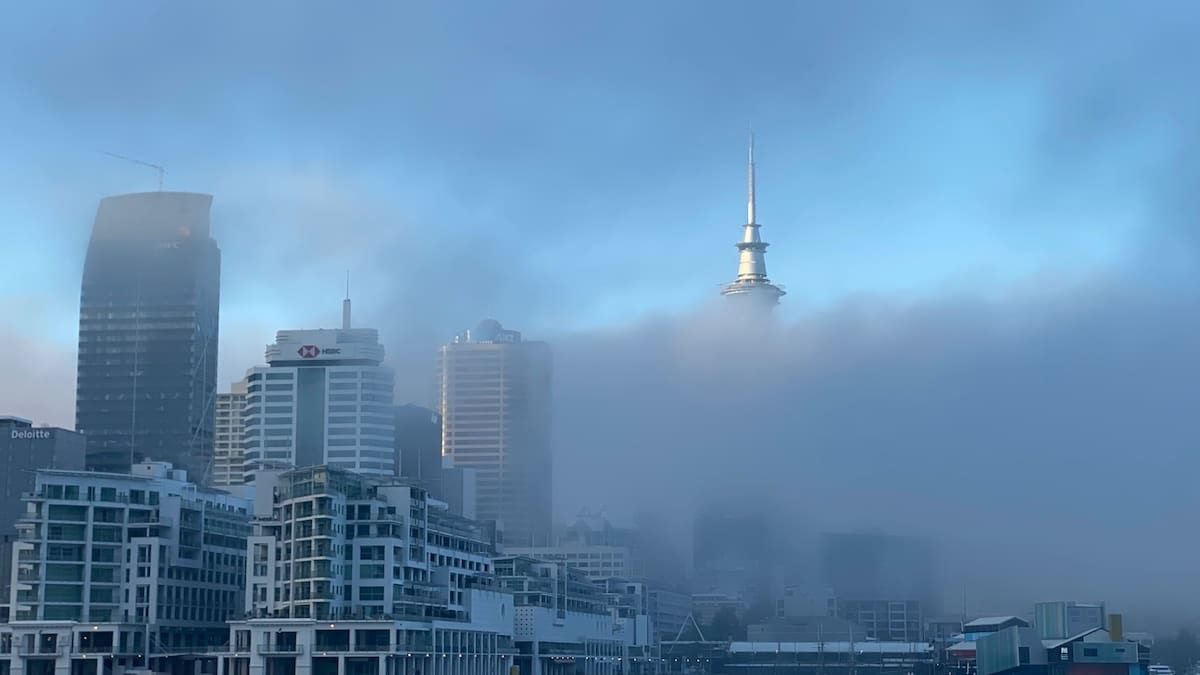
Foggy conditions trigger diversions and delays
Flight-tracking data and media reports on Monday 9 November indicate that several Bristol Airport services were affected as visibility deteriorated in the early hours. According to published coverage, three flights were diverted away from Bristol and one service returned to Dublin after encountering thick fog in the area.
Arrivals and departures earlier in the morning, when many of the day’s outbound flights leave Bristol, were reported to be operating close to schedule before visibility worsened. As conditions changed, later services began to show increasing delays on departure boards, prompting the airport to advise customers via public channels that journeys might take longer than usual.
Independent monitoring sites tracking disruption at UK airports have also registered a small number of cancellations and a rise in late-running services at Bristol over the past week, reflecting the impact of unsettled autumn weather and operational pressures across the wider air traffic network.
While most affected flights on Monday were delayed rather than cancelled, publicly available information shows that some passengers faced extended waits for aircraft to be repositioned or for conditions to improve sufficiently for safe operations.
Met Office warnings highlight continued fog risk
The disruption coincides with a yellow weather warning from the Met Office covering Bristol and parts of south-west England from Sunday evening 8 November into Monday morning 9 November. The alert highlights the likelihood of patches of dense fog reducing visibility on roads and at transport hubs, including airports.
Forecasters describe a pattern of cool, still nights and high humidity that creates what has been characterised in recent reports as a “perfect recipe” for fog, particularly in river valleys and low-lying areas around the Severn Estuary. Under these conditions, visibility can temporarily fall to around 50 metres in places, affecting pilots’ ability to land or take off within standard safety margins.
National weather coverage indicates that the fog risk is not confined to Bristol. Airports across southern England and parts of Wales have been warned to prepare for possible disruption, with travellers advised that early-morning services are most vulnerable before the sun lifts low cloud and mist.
Forecasts for the remainder of the week suggest that further patches of fog may form on subsequent nights, although any impact on Bristol Airport will depend on localised conditions, the timing of clear spells and wind strength over the airfield.
Runway works and wider operational pressures
The latest weather-related disruption comes as Bristol Airport progresses a scheduled programme of overnight runway works during November. Aeronautical information circulars published for pilots indicate that the runway will be closed during certain night-time periods between 8 November and early December to allow maintenance to be carried out.
These planned works are designed to take place outside peak daytime flying hours, but they reduce the airport’s flexibility to recover from knock-on delays when adverse weather limits movements. If aircraft are unable to land or depart within the available window because of fog, they may need to divert to other airports or be rescheduled for later in the day.
Minutes from recent airport community meetings and official punctuality statistics compiled by the UK Civil Aviation Authority underline that a significant share of delays at Bristol in recent years has been linked to factors outside the airport’s direct control, such as wider European air traffic management issues and weather-related restrictions. Fog events, although less frequent than wind or thunderstorm disruptions, can still have a noticeable impact during the busy winter schedule.
Travel industry analyses of 2026 flight performance also point to a fragile operating environment, with airlines and airports managing high demand alongside tight staffing and infrastructure programmes. In this context, even short-lived episodes of poor visibility can create congestion that takes several hours to clear.
Advice for passengers travelling through Bristol
Public guidance issued around the current fog warning consistently urges passengers to check the real-time status of their flight before setting out for the airport. Travellers are being encouraged to monitor airline apps or text alerts on the day of departure, as these will usually be updated before airport display screens for schedule changes and gate information.
For those already on their way, local travel updates for the Bristol area recommend allowing additional time for potentially slower road conditions in fog. Reduced speed limits, queues on approach roads and the need for more cautious driving can lengthen transfer times from the city centre, Bath, Weston-super-Mare and other nearby towns.
Consumer-rights organisations stress that passengers whose flights are significantly delayed or cancelled should retain boarding passes, receipts and any written notification from their airline. Publicly available guidance on UK261 passenger rights explains that while compensation is not generally payable when disruption is caused by severe weather, airlines must still offer care such as refreshments and, where necessary, overnight accommodation, and must provide rebooking or refunds for cancelled services.
Travellers connecting from Bristol onto long-haul flights via European hubs are advised to pay particular attention to minimum connection times. Even modest delays on short-haul departures in foggy conditions can result in missed onward flights, so some passengers may choose to move to earlier services or build additional time into their itineraries during periods of heightened weather risk.
What to watch in the coming days
Weather updates from national forecasters indicate that the pattern of cool, settled nights responsible for the latest fog is likely to persist into the early part of the week, although small variations in wind and cloud cover could determine whether Bristol Airport faces further disruption or a gradual return to normal operations.
Local aviation observers will be watching for any repeat of Monday’s diversions and monitoring how quickly airlines are able to reposition aircraft affected by the initial bout of poor visibility. Live tracking services suggest that, once conditions improved during the morning, a number of delayed departures were able to leave with modest additional waiting times rather than being cancelled outright.
Should further yellow fog warnings be issued for the region, travel advisories are expected to follow a similar pattern, emphasising the importance of checking flight information, planning additional transfer time and preparing for the possibility of short-notice schedule changes.
For now, publicly available data indicates that Bristol Airport remains open and operating, but with the potential for intermittent delays as fog patches move across the south-west. Passengers booked to travel over the next few days are being encouraged to stay alert to updates from their airlines and to factor some flexibility into their plans while the weather pattern persists.