


More news on this day
Thick fog across large parts of England on Monday 9 November 2026 has prompted widespread travel alerts, with forecasters warning of reduced visibility, hazardous driving conditions and disruption to air, road and rail services.
Get the latest news straight to your inbox!
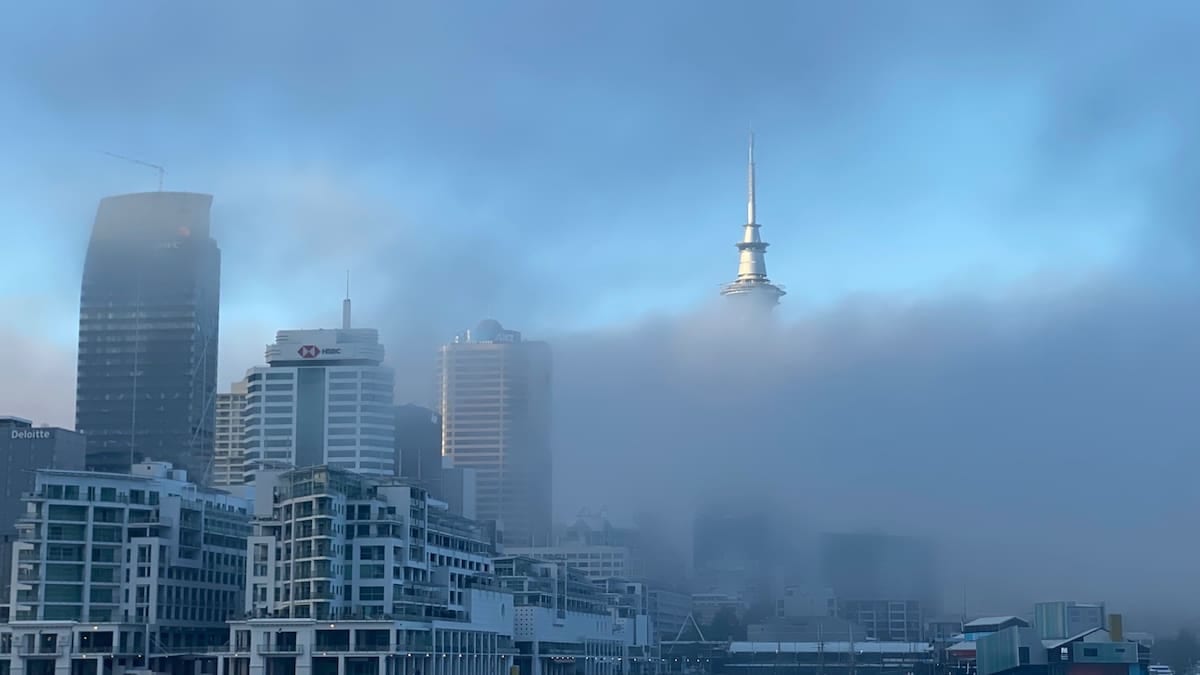
Yellow Fog Warnings Stretch Across England
The UK Met Office has issued yellow weather warnings for fog covering swathes of England from Sunday evening into Monday 9 November 2026, with alerts focused on areas south of Manchester, including much of the Midlands, eastern England and the South East. Publicly available information shows that the warnings were in force from Sunday night through late Monday morning, highlighting the risk of difficult travel conditions as dense fog settled in overnight.
According to the Met Office warning matrix, the combination of low visibility and the likelihood of disruption triggered yellow-level alerts, which indicate that people should be prepared for possible delays to journeys and changes to normal routines. Visibility in some locations has been reported as falling to 50 metres or less, particularly in river valleys and low-lying areas, heightening the risk of slower traffic flows and minor collisions.
The areas affected by the latest warning include a broad corridor running from parts of Wales and the West Midlands across central and eastern England and into the South East, with cities such as Birmingham, Nottingham, Cambridge, Oxford and London experiencing patches of dense fog through the morning commute. Forecasts indicate that conditions may improve gradually from late morning as temperatures rise and fog lifts into low cloud, though some pockets of poor visibility may linger into the afternoon.
National weather guidance indicates that the warnings could be updated or extended if fog reforms on Monday evening into Tuesday, particularly if light winds and clear skies persist, which create a favourable setup for further dense fog formation above damp ground.
Flight Schedules Hit at Major UK Airports
Air travel has been among the most visible sectors affected, with flight-tracking data and media coverage indicating delays and cancellations at several of the country’s busiest airports. Heathrow and Gatwick have both experienced disruption to departure and arrival schedules, as aircraft face increased spacing on approach and stricter operating limits for landings in low visibility.
Coverage from UK news outlets reports that at Heathrow, some early morning short-haul flights were delayed or cancelled as visibility dropped on and around the runways, prompting airlines to adjust schedules and consolidate services. At Gatwick and other airports in southern and eastern England, aircraft have been subject to low-visibility procedures, with knock-on delays building through the day as ground operations slow.
Travel advisories from airlines and airport operators urge passengers to check their flight status before travelling to the airport and to allow extra time for check-in and security, given the potential for longer queues when services bunch together after earlier delays. Some carriers have offered free-of-charge rebooking for passengers due to travel during peak periods of fog, particularly on domestic and European routes where alternative departures are available later in the day.
Information published by aviation and consumer bodies also reminds passengers that in the UK and European Union, air passenger rights regulations apply when flights are significantly delayed or cancelled, although compensation rules treat dense fog as an extraordinary circumstance outside an airline’s control.
Road and Rail Commuters Face Slow Journeys
On the roads, the combination of dense fog, damp surfaces and heavy weekday traffic has led to slower journeys and localised congestion on motorways and A-roads across affected regions. National and regional broadcasters report that speed restrictions have been in place on some major routes where visibility has fallen sharply, particularly during the early morning rush hour.
Publicly available traffic information shows reduced speeds on sections of the M25, M1, M4 and A1(M), while local routes around urban centres such as Reading, Milton Keynes and Peterborough have also experienced slow-moving traffic. In some areas, poor visibility has coincided with ongoing roadworks, further increasing journey times and the risk of minor shunts.
Rail operators in England and Wales have warned of potential delays where fog affects signalling visibility or requires more cautious driving conditions for train drivers, particularly on lines without extensive automatic train protection systems. While the rail network has remained broadly operational, passengers have been advised via online journey planners and station announcements to check for short-notice alterations and to build additional time into their travel plans.
Reports also indicate that bus services, especially in rural areas and on early-morning school runs, have been operating at reduced speeds. Some local operators have issued reminders about the importance of headlight and fog light use for passengers driving to out-of-town park-and-ride sites or interchange hubs.
Why This Fog Episode Is So Disruptive
Meteorologists describe the current conditions as a classic setup for dense radiation fog, developing under clear skies, light winds and cooling overnight temperatures. With ground surfaces already damp from recent rainfall, air near the surface has become saturated, allowing thick fog to form in the small hours and persist into the morning.
Forecast discussions referenced by national media highlight that temperature inversions trapped moisture and pollutants close to the ground, particularly in the urban and industrial corridors of central and eastern England. This has not only reduced visibility but also contributed to a murky haze in some city centres even after the thickest fog began to thin, prolonging the period of impaired driving conditions.
Because fog directly affects visibility, it can have a more immediate operational impact on transport networks than some other weather hazards of similar severity level. Airports must apply strict visibility minima for take-offs and landings, road users are required to adapt speed and lighting, and rail and bus services often face compounding delays as vehicles operate below normal speeds but still need to maintain safety margins.
Transport planners note in publicly available guidance that the timing of this fog, coinciding with the Monday morning commute and busy business travel patterns, has amplified the disruption. With many schools and workplaces operating normally and limited opportunities to re-time journeys, the impact on journey reliability has been noticeably higher than for similar fog events that occur overnight or at weekends.
Advice for Travellers Over the Coming Days
With further fog patches possible into Tuesday 10 November 2026, forecasters and transport operators are advising travellers to monitor the latest information before setting out. The Met Office recommends checking updated warnings and local forecasts, as yellow alerts can be adjusted as conditions evolve. Visibility can deteriorate quickly in low-lying areas and along river valleys, even where nearby locations remain relatively clear.
For air passengers, airline and airport advisories emphasise regularly checking flight status through official channels and considering earlier or later departures where flexibility is available. Travellers connecting through London or other major hubs may wish to allow longer transfer times, particularly if inbound flights originate in fog-affected regions.
Motorists are being encouraged through public travel bulletins to reduce speed, increase following distances and use dipped headlights in fog, reserving front and rear fog lights for the poorest visibility to avoid dazzling other drivers. Drivers are also being reminded to keep windscreens clear inside and out to maximise limited visibility and to avoid sudden braking where possible.
Rail and coach passengers planning longer-distance trips across England and Wales are advised to build extra time into itineraries, check journey planners shortly before departure and be prepared for minor timetable changes. As temperatures rise later in the week and winds strengthen slightly, forecasts suggest that the risk of widespread dense fog should ease, but early mornings could still bring pockets of mist in sheltered locations.