


More news on this day
Dense fog has disrupted road, rail and air travel across large parts of the UK, with fresh yellow weather warnings extending the risk of transport delays into Tuesday morning.
Get the latest news straight to your inbox!
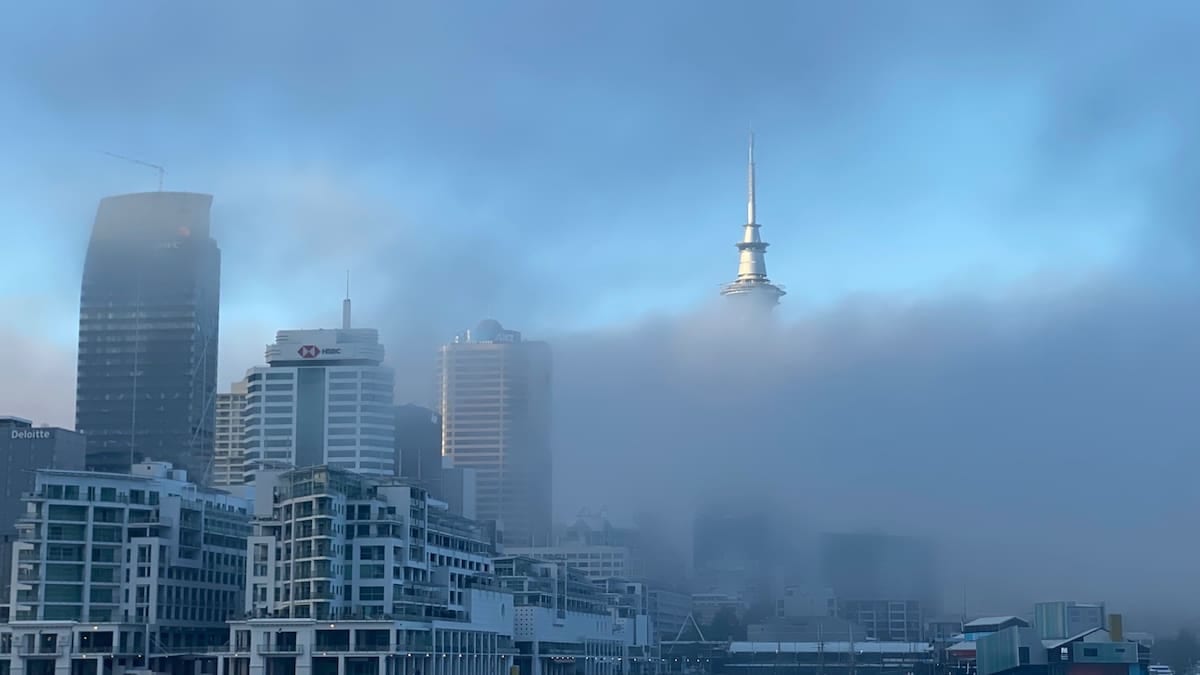
Wide area covered by latest yellow fog alerts
The UK Met Office has yellow fog warnings in force on Monday 9 November, covering much of England and eastern Wales after visibility dropped below 100 metres in places overnight. Public information from the agency describes fog patches forming through the early hours and lingering through the morning commute, particularly across the southern half of England and the Midlands.
The warning area stretches from York to Bath and covers most of the South East and eastern England, including London and major conurbations in the Midlands. Additional coverage extends west into parts of Wales and northwards towards the Humber, creating a broad swathe of reduced visibility along key intercity road and rail corridors.
A separate yellow warning for fog has also been issued for much of Northern Ireland. That alert indicates similar risks of sharply reduced visibility on major routes such as the M1 and A1, as well as at regional airports. Validity times differ slightly by region, with most warnings in place from Sunday evening until late Monday morning.
Met Office guidance notes that the warnings reflect both the likelihood of fog and its potential impact, with current alerts placed in the “high likelihood, moderate impact” category. Forecasters describe the prevailing conditions as a “perfect recipe” for fog, created by light winds, high humidity and clear skies at night.
Road and rail journeys slowed by poor visibility
Transport reports on Monday morning indicate slower than usual traffic on several major motorways and A-roads within the warning zones, as drivers reduce speed to compensate for very limited visibility. Commuter routes into London, Birmingham and other large cities are particularly affected where dense patches of fog have persisted into rush hour.
Motoring organisations advise that fog has been especially problematic in low-lying areas and river valleys, where visibility has occasionally fallen to less than 50 metres. In these conditions, travellers are urged to allow significantly longer journey times, use dipped headlights and fog lights where appropriate, and maintain greater distances between vehicles.
Rail operators have reported minor knock-on delays on some early-morning services, particularly where precautionary speed restrictions have been applied. Publicly available travel updates show services generally continuing to run, but passengers on busy commuter lines into major hubs are being advised to check for short-notice changes and platform alterations.
Localised disruption is also being reported on bus networks in affected regions. Operators have indicated that schedules are under pressure in areas where traffic flows have slowed markedly, with potential for missed connections to longer-distance rail and coach services.
Flights see delays as airports operate in low visibility
Air travel has also been impacted, with several UK airports within the warning areas reporting delays and a small number of cancellations as low cloud and fog reduced runway visibility. According to published coverage, major hubs in the South East and Midlands have been using instrument landing systems and low-visibility operating procedures to keep traffic moving where possible.
At London Heathrow, travel advisories urge passengers to check the status of their flight with their airline before leaving home and to allow extra time for airport journeys because of reduced speeds on surrounding roads. Similar advice is in place at other busy airports under the fog warning, including London Gatwick, London City, Birmingham and East Midlands.
While the majority of scheduled flights are continuing to operate, aviation updates show some stacking and minor diversion of inbound services when visibility has briefly fallen below operational thresholds. Short-haul departures during the early morning peak have been particularly susceptible to delay as airlines and air traffic control manage spacing and ground movements in constrained conditions.
The Met Office warning notes a continuing chance of flight delays or cancellations while fog persists. Travellers connecting to onward international services are being encouraged to build in additional contingency time in case of late departures from UK airports.
Further fog risk expected into Tuesday
In addition to the current alerts, a further yellow warning for fog has been issued from Monday evening into Tuesday morning, extending the period of potential disruption. Forecasts indicate that while fog is expected to lift slowly in many areas during Monday afternoon, radiative cooling overnight could allow it to redevelop or thicken again, especially in central and eastern parts of England and across Northern Ireland.
The follow-on warning currently covers similar regions, with some adjustments in boundary as the forecast is refined. Publicly available guidance explains that fog may again become dense in places, with visibility potentially dropping below 100 metres for several hours and creating renewed transport difficulties for the Tuesday morning commute.
Travel and weather agencies emphasise that warning areas can be updated at relatively short notice as new data becomes available. Travellers planning early departures on Tuesday are therefore advised to monitor the latest regional forecasts and operator alerts on Monday evening and before setting out.
Forecasters highlight that small changes in wind direction, humidity and cloud cover can lead to significant local differences in fog development. Even within the warning area, some locations may experience only mist or low cloud, while others see persistent dense fog.
Advice for travellers navigating dense fog
Safety guidance from UK weather and transport bodies urges anyone travelling in the affected regions to prepare for slower journeys and possible short-notice changes to plans. On the roads, guidance stresses the importance of switching on dipped headlights in poor visibility, using front and rear fog lights where conditions justify it, and switching them off again once visibility improves to avoid dazzling other drivers.
Drivers are also encouraged to avoid sudden braking, follow road markings carefully, and use air conditioning or demisters to prevent interior condensation further reducing visibility. In very dense fog, advice suggests considering postponing non-essential trips, particularly on unfamiliar rural routes where hazards such as junctions, sharp bends and pedestrians may be difficult to see.
For rail and coach passengers, publicly available travel information recommends checking the latest service updates before leaving home and allowing extra time to reach stations and stops. Where possible, using mobile apps and station displays can help passengers respond quickly to platform changes or minor retimings caused by speed restrictions.
Air passengers are being advised to reconfirm departure times on the day of travel, arrive in good time for security and boarding, and be prepared for the possibility of holding or rerouting on arrival. Airlines typically publish rebooking options when delays or cancellations occur, but these vary by carrier and ticket type, so travellers may wish to review the relevant conditions in advance while warnings remain in place.