


More news on this day
Thick fog is once again settling over Essex, with a new yellow weather warning in force and visibility expected to drop below 100 metres, raising the risk of disruption for commuters and travellers moving through the county.
Get the latest news straight to your inbox!
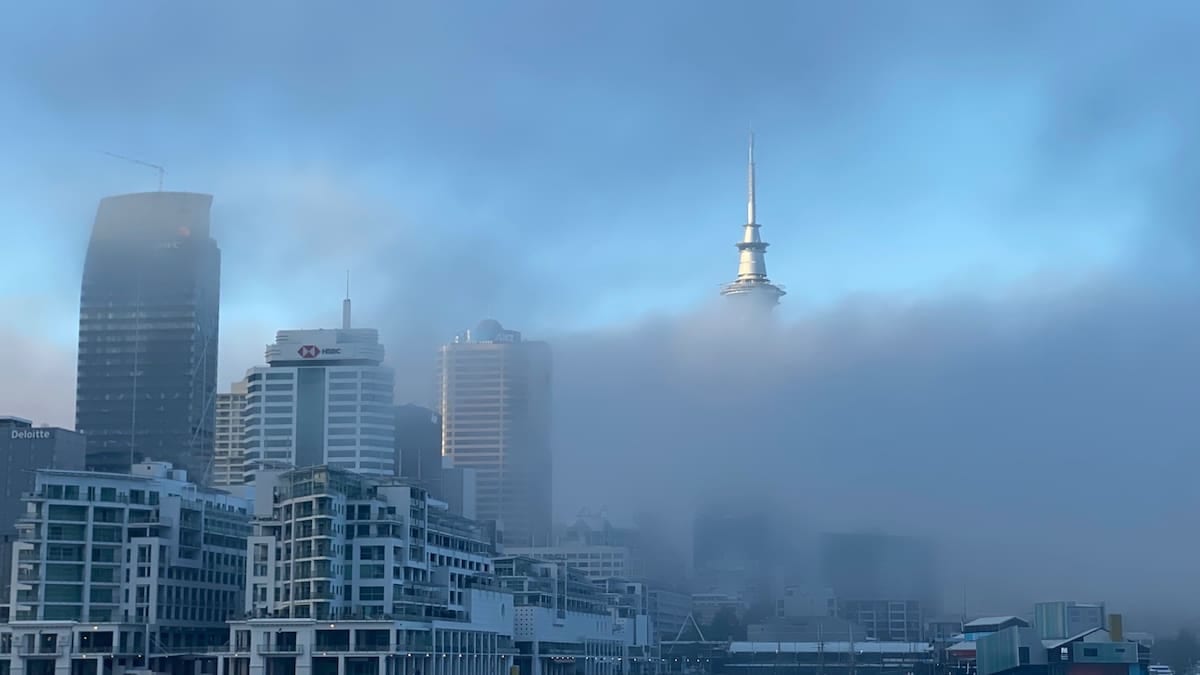
Latest warning covers Monday morning peak travel
Publicly available information from the Met Office shows a yellow fog warning in place for parts of eastern and central England, including Essex, through the Monday morning period. The alert highlights the potential for very poor visibility, with some locations likely to see conditions fall well below 100 metres, classed as dense fog.
The warning is in effect from early evening on Monday, 9 November 2026, through to late Monday morning, coinciding with the commuter rush on major roads and rail routes. Forecasts indicate that fog will redevelop during the evening and become widespread overnight before gradually thinning late in the morning.
The affected area takes in much of the East of England, stretching across Essex, Suffolk, Norfolk, Cambridgeshire and neighbouring counties, alongside parts of the Midlands and North West. For travellers heading toward London or connecting to airports and ports, this creates a corridor of reduced visibility on some of the busiest corridors in the country.
Travel reporting over recent days has already pointed to challenging conditions across southern and eastern England following a sequence of foggy nights and mornings. The renewed warning signals that disruption for early services and road traffic in Essex remains a live concern.
What the yellow fog alert means for Essex
According to the published warning criteria, a yellow alert signals a high likelihood of some impact, but not the level of widespread disruption associated with higher warning levels. In this case, forecasters expect dense patches of fog, in places cutting visibility down towards 50 metres, with more general visibility frequently below 100 metres on untreated and rural routes.
Such conditions can quickly reduce driving speeds and extend journey times, particularly on the A12, A13, A127 and M11 corridors that link Essex with London and neighbouring counties. Reports from previous foggy spells this season describe sudden changes in visibility, where clear stretches give way to thick fog banks over relatively short distances.
For rail users, low visibility can lead to signalling checks and slower running on some lines, particularly early in the operating day when fog is at its thickest. Flight schedules at airports serving Essex travellers, such as London Stansted and London Southend, may also be subject to delays when runway visibility is severely restricted.
While widespread cancellations are not currently indicated in publicly available information, the warning notes that localised disruption is possible across different forms of transport, especially where visibility briefly drops to very low levels on exposed sections of road and around river valleys and low-lying ground.
Driving and transport guidance under very low visibility
Travel and motoring guidance circulated by national and regional agencies recommends that drivers adjust their behaviour whenever visibility falls below 100 metres, which is roughly the distance between standard motorway marker posts. In dense fog, where visibility may drop further, the advice stresses slower speeds, greater spacing between vehicles and careful use of lights.
Motorists in Essex are being reminded through public information campaigns to use dipped headlights and fog lights when visibility is seriously reduced, and to switch fog lights off again when conditions improve so as not to dazzle other road users. Sudden thick patches along rural stretches of the A414, A120 or B-roads across the Essex countryside can catch out drivers travelling at normal speeds if they do not anticipate reduced stopping distances.
Bus and coach operators may also amend timetables or routes if conditions deteriorate significantly, particularly on routes that cross higher ground or exposed areas where fog can linger. Travellers planning early runs to ports such as Harwich or to connecting rail services are being encouraged, through publicly available travel updates, to check for any last-minute changes before setting out.
For those flying from nearby airports, aviation guidance indicates that dense fog can trigger the need for low-visibility procedures, which can reduce the rate of take-offs and landings. Even when the weather is otherwise calm, these protocols can create knock-on delays that affect passengers departing from or arriving into Essex.
Why conditions are right for thick fog this week
Meteorological analysis over recent days points to light winds, clear skies at night and lingering moisture near the surface creating what forecasters describe as a perfect recipe for fog development across parts of England. Under these circumstances, heat escapes rapidly from the ground after sunset, cooling the air close to the surface and allowing moisture to condense into microscopic droplets that form fog.
The Met Office explains in its educational material that fog is defined as visibility below 1 kilometre, while dense fog is associated with visibility under 200 metres and, in some operational guidance, below 100 metres. In the current pattern across Essex, high pressure has kept rain and strong winds at bay, allowing fog to form and reform on consecutive nights.
Reports indicate that some of the thickest patches are likely to settle over river valleys, low-lying farmland and urban fringes where cold air can pool. Once established, these fog banks can be slow to disperse, particularly in the morning hours when the November sun angle is low and surface temperatures rise only gradually.
Forecasts suggest that, while the fog should eventually thin during late morning, some patches could linger into the early afternoon in sheltered locations. As a result, drivers and other travellers in Essex may continue to encounter pockets of very low visibility even after the main warning period draws to a close.
Practical advice for travellers heading through Essex
For those with essential journeys across Essex during the warning period, publicly available travel and safety information points to several practical steps. Allowing extra time for the morning commute, checking live traffic and rail updates, and being prepared for slower speeds on main routes can all help to reduce stress and improve safety.
Drivers are encouraged to keep windscreens, mirrors and lights clean, use the vehicle’s ventilation or air conditioning to prevent internal misting, and avoid sudden braking that could surprise other road users in low visibility. On motorways and dual carriageways, maintaining larger gaps and resisting the temptation to follow the rear lights of the vehicle ahead too closely is emphasised in road safety campaigns.
For pedestrians and cyclists, reflective clothing and good-quality lights are recommended where possible travel cannot be postponed. In urban areas, thick fog can dampen sound as well as vision, meaning traffic may be harder to hear approaching, particularly at junctions and crossings.
With further pockets of fog possible on subsequent nights, forecasts and warning maps are being updated regularly. Travellers planning routes through Essex over the coming days are advised, through official forecast channels and wider media coverage, to keep a close eye on the latest bulletins and to adjust plans where necessary if very poor visibility is expected.