


More news on this day
A new U.S. government alert is warning Americans traveling in Europe that they could face significant disruptions, including flight cancellations and reduced consular services, if geopolitical tensions and fuel supply pressures worsen in the coming months.
Get the latest news straight to your inbox!
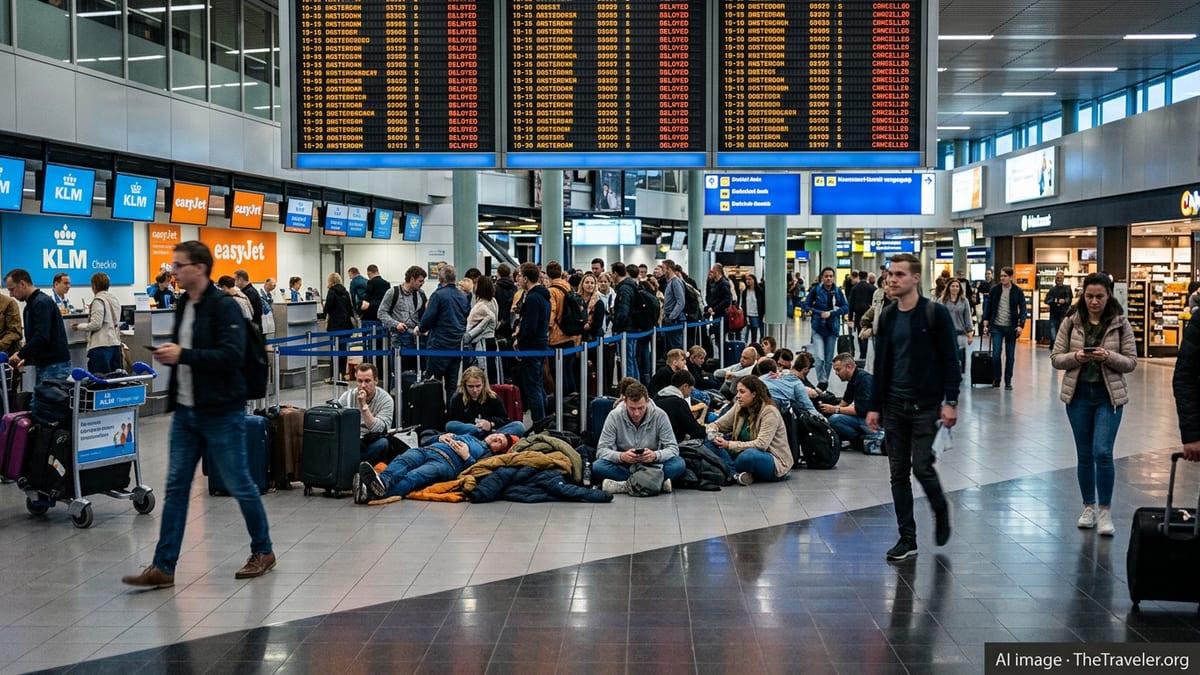
Alert highlights risk of stranded travelers, not a Europe-wide evacuation
Publicly available guidance from the U.S. Department of State emphasizes that American citizens remain responsible for their own travel arrangements and departures, even during major disruptions. Crisis information pages explain that consular support can be constrained when commercial flights are reduced or canceled, and that consular sections may scale back routine services to focus on assisting U.S. citizens in difficulty.
The latest messaging underscores a scenario in which travelers could become stranded in Europe for days or longer if flight schedules are cut back, borders tighten, or local transport networks are severely disrupted. The alert does not call for Americans to avoid Europe altogether, but it urges those planning trips to understand that government-organized evacuations are rare and that options to leave may narrow quickly in a fast-moving crisis.
Guidance on crisis response stresses that, in extreme situations, the U.S. government may help coordinate limited departures, but capacity is often small relative to demand and cannot be guaranteed for all who wish to leave. The alert encourages Americans to think through how they would manage accommodation, rebooking and basic expenses if they are unable to depart as scheduled.
Fuel supply pressures and aviation disruptions in focus
The travel alert comes as Europe’s aviation sector continues to navigate uncertainty around jet fuel supplies linked to the protracted conflict in the Middle East. European Commission updates from mid 2026 describe repeated meetings of an Oil Coordination Group, which has been tracking volatility in global oil markets and the specific strain on jet fuel.
European Union statements in May, June and July 2026 note that while overall oil supplies into the bloc remain sufficient, the jet fuel market has tightened and required higher refinery output in Europe along with alternative imports. Officials in Brussels have discussed regulatory flexibility for airlines on take off and landing slots when fuel access or scheduling becomes difficult, and the European Union Aviation Safety Agency has circulated technical guidance on safe use of available aviation fuels.
For passengers, these measures are intended to give carriers room to adjust operations as conditions change, but they also underline how quickly airlines might modify routes or schedules if supply constraints intensify. The U.S. alert frames this as a practical risk for travelers, warning that returning home from Europe could become more complicated if airlines scale back transatlantic capacity or consolidate flights at a smaller number of hubs.
Consular services may be limited during a crisis
Alongside concerns about aviation disruption, U.S. crisis response information explains that embassies and consulates may need to suspend or limit non urgent services in order to reassign staff to emergency tasks. That can affect passport renewals, routine notarial services and some visa operations, particularly if staff are also managing local security measures or high demand from citizens seeking assistance.
Travel.State.gov materials note that communication during a crisis typically relies on email alerts, social media updates and messages through the free Smart Traveler Enrollment Program. The new alert for Europe reiterates that Americans who have not enrolled in this program before departure may find it harder to receive timely updates about airport disruptions, local security measures or relocation options.
The alert also points out that local conditions, such as protests, strikes or police operations, can further strain consular access. Travelers may encounter longer lines, appointment backlogs or restricted public access to embassy compounds if host governments increase security around diplomatic facilities.
Schengen rules, border checks and internal transport complications
The warning is being issued as Europe continues to refine entry rules and border management across the Schengen Area. Existing U.S. government guidance on travel to Europe notes that Americans can spend up to 90 days in Schengen countries within a 180 day period without a visa, but must closely track their days and carry valid travel documents at all times.
European information for visitors stresses that identity checks can occur away from border crossings, particularly when security levels are raised. In a crisis, temporary internal border controls may be reintroduced, slowing overland movements and complicating plans to pivot quickly from one country to another in search of an outbound flight.
The alert advises Americans to remain aware of these administrative limits, because overstaying or lacking proper documentation could further complicate departure during an already disrupted period. Travelers relying on tight connections at major hubs, such as Frankfurt or Paris, are encouraged to build in extra time in case of longer queues at passport control or secondary screening when moving from Schengen to non Schengen departure gates.
What U.S. travelers can do before and during trips
In practical terms, the alert encourages Americans heading to Europe to prepare for the possibility of being stuck longer than planned. That includes maintaining access to savings or credit to cover extra nights in hotels, local transport, replacement tickets and necessities if flights are canceled or rebooked days later.
Public guidance highlights the value of comprehensive travel insurance that explicitly covers trip interruption, extended accommodation and medical needs, subject to policy conditions. Travelers are advised to read exclusions related to conflicts, government actions or fuel shortages, because many policies treat these as separate categories with different coverage thresholds.
The alert also recommends that Americans keep electronic and paper copies of passports, visas and key bookings, and identify alternative routes home that may involve rail or regional flights to larger hubs with more transatlantic options. Information from both U.S. and European authorities suggests that schedules could change with limited notice if jet fuel markets tighten again or if security concerns prompt airlines to reshape networks.
Overall, the message to U.S. citizens is not to cancel European travel outright but to approach upcoming trips with realistic expectations about potential disruption. By enrolling in official alert systems, monitoring both U.S. and European transport updates and planning financially for delays, Americans are being urged to reduce the risk that an unexpected crisis will leave them stranded without options.