


More news on this day
Heavy haul rail, the backbone of the global bulk commodities trade, is undergoing a rapid transformation in 2026 as miners, governments and freight operators push new infrastructure, low‑carbon locomotives and digital upgrades into some of the world’s most remote regions.
Get the latest news straight to your inbox!
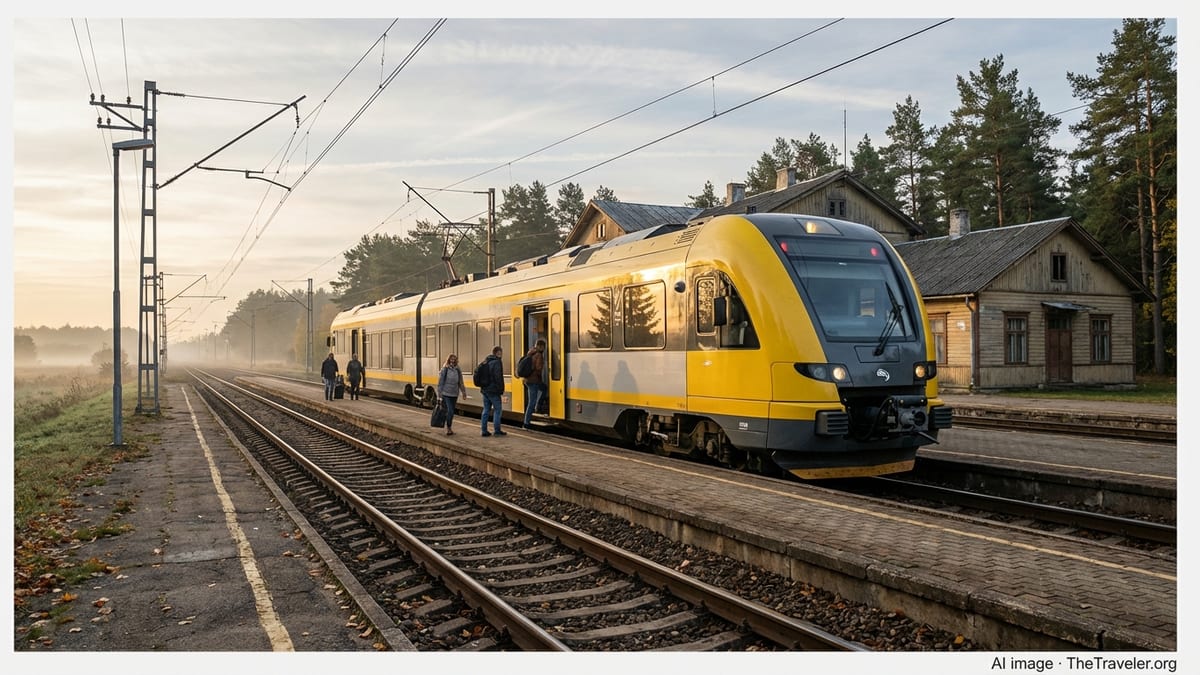
New Heavy Haul Rail Brand Launches in the UK
In Europe, the term “heavy haul rail” has taken on a new corporate identity with the launch of Heavy Haul Rail in the United Kingdom. The company emerged in January 2026 after the sale of Freightliner’s intermodal container business and the rebranding of its remaining bulk freight operations. Publicly available information shows that the transaction, completed at the end of January, left Heavy Haul Rail focused squarely on moving coal, aggregates and other dense cargoes across the British network.
Industry coverage indicates that the restructured operator is positioning itself to capture long‑term contracts in construction and energy supply chains at a time when Britain is seeking to decarbonise freight while maintaining reliable flows of essential materials. The heavy haul segment is considered critical for taking thousands of truck movements off congested roads, particularly on corridors connecting ports, power stations and major urban building projects.
Reports also highlight that the new brand arrives as regulators and infrastructure managers intensify scrutiny of axle loads, track maintenance and noise impacts on communities along busy freight routes. Heavy Haul Rail’s strategy is expected to include close coordination with Network Rail on pathing, infrastructure access and future signalling upgrades aimed at increasing capacity without compromising safety.
Pilbara Miners Turn Heavy Haul Rail into a Decarbonisation Testbed
On the other side of the world, Western Australia’s Pilbara region is emerging as a global reference point for low‑carbon heavy haul rail. The area’s privately owned iron ore railways, already among the heaviest‑used freight lines on the planet, are now hosting early generations of battery‑electric locomotives as miners confront ambitious net‑zero targets.
Publicly available documents from BHP and technology supplier Wabtec show that Australia’s first purpose‑built battery‑electric heavy haul locomotives were delivered to the Pilbara in late 2025. The locomotives are being tested in consists that blend battery units with conventional diesel power, with the goal of using regenerative braking on heavily loaded downhill ore trains to recharge onboard batteries for the return climb to the mine.
Fortescue is pursuing a similar trajectory. National media reports from February 2026 indicate the company has begun commissioning two high‑capacity battery‑electric locomotives on its Pilbara network as part of a wider plan to reach zero terrestrial emissions by 2030. The locomotives, carrying multi‑megawatt‑hour batteries, are being paired with investments in dedicated renewable energy capacity and grid infrastructure designed to support large‑scale electrification of rail and mine fleets.
Analysts note that the Pilbara railways are technically challenging testbeds, with extreme heat, long distances and heavy tonnages pushing new traction and charging systems to their limits. Successful deployment here is seen as a bellwether for whether battery and hybrid solutions can eventually displace diesel across heavy haul corridors in Australia and other major mining regions.
Arctic Iron Ore Corridor Advances with New Heavy Haul Line
In Canada’s far north, heavy haul rail is reshaping plans for long‑distance iron ore exports. In January 2026, Baffinland Iron Mines announced it had secured the final regulatory approvals needed to begin work on the Steensby Component of its Mary River Project in Nunavut. Company statements summarized in trade media describe a new heavy haul railway of about 110 kilometres linking the mine complex to a deep‑water port at Steensby Inlet.
The new line is intended to support a planned increase in annual iron ore capacity from roughly 4.2 million tonnes to 22 million tonnes. By moving from seasonal shipping via existing infrastructure to a year‑round marine export route, project proponents argue that a dedicated railway and port will improve safety, lower per‑tonne logistics costs and reduce the environmental footprint associated with existing trucking operations.
The remote Arctic setting brings its own engineering and environmental challenges. Reports indicate that designers are accounting for permafrost, extreme cold and sensitive wildlife habitats in track alignment, embankment design and port construction. Heavy haul trains on the new route will need to operate reliably in prolonged sub‑zero conditions while meeting strict Canadian regulatory standards for emissions, noise and spill prevention.
Travel and logistics observers point out that if completed on schedule within the next few years, the Steensby rail corridor will add a new entry in the global map of heavy haul routes, joining Australia’s Pilbara, Brazil’s Carajás Railway and West Africa’s emerging Simandou corridor as key conduits for iron ore exports.
Digital and Operational Upgrades Reshape Global Heavy Haul Networks
Beyond headline‑grabbing new lines and locomotives, incremental digital upgrades are changing how existing heavy haul networks operate. In Europe, freight operators and infrastructure managers are advancing digital automatic coupling pilots, allowing freight wagons to be joined with automated mechanical, pneumatic and data connections. Industry reports from Deutsche Bahn and project partners describe trials in 2024 and 2025 that seek to cut time spent in marshalling yards and enable continuous data flows along long freight consists.
These technologies are particularly relevant to heavy haul operations, where long trains and repetitive loading cycles magnify the benefits of faster formation and more precise monitoring of wagon health, brake performance and load distribution. Digital couplers, combined with wayside sensors, predictive maintenance analytics and upgraded signalling, are being promoted as tools to squeeze additional capacity out of existing freight corridors without extensive new civil works.
In parallel, rail freight market overviews published in 2026 show that carloads tied to bulk commodities such as iron ore and coal remain sensitive to swings in global demand and energy transitions. Some regions report modest declines in metallic ores volumes compared with the previous year, while others anticipate growth as new mines come online. For heavy haul operators, that volatility strengthens the case for flexible train planning systems and interoperable digital platforms that can quickly adjust to changes in mine output or port logistics.
For travelers who intersect with these rail corridors at ports, mining company towns or shared passenger‑freight lines, the digitalisation push is expected to translate into more predictable timetables, fewer disruptions and, over time, quieter and cleaner trains powered by evolving electric and hybrid traction technologies.
Environmental Scrutiny and Policy Support Shape Future Routes
Growing scrutiny of emissions linked to mining logistics is putting heavy haul rail under the spotlight. Briefing notes from energy and climate think tanks in early 2026 highlight diesel consumption by locomotives and associated truck fleets as a major source of direct greenhouse gas emissions in Australia’s resources sector. While rail remains significantly less carbon‑intensive than long‑distance road haulage on a tonne‑kilometre basis, the sheer scale of ore and coal movements means even incremental efficiency gains can deliver substantial absolute reductions.
In Western Australia, the state’s Pilbara Energy Transition plan outlines support for common‑use transmission infrastructure intended to unlock large wind and solar developments. Public documents describe this as a foundation for electrifying mining, port and rail operations in the region, with the potential to reduce emissions from heavy haul corridors that feed export terminals along the Indian Ocean coast.
At the same time, investigative reporting has drawn attention to continued large‑scale purchases of diesel haulage equipment by some miners, underscoring the tension between near‑term operational needs and longer‑term decarbonisation strategies. Industry associations argue that fully electrified large‑scale haulage systems remain technically and commercially challenging, especially in remote regions where power grids and charging infrastructure are still being built.
Against this backdrop, new heavy haul projects in places such as Nunavut, Guinea’s Simandou iron ore development and prospective mining corridors in South America are being evaluated not only for economic viability but also for how closely their rail designs align with emerging climate policies. For many of these routes, decisions taken in the second half of the 2020s on track alignment, traction power and grid connections will shape the environmental footprint of bulk commodity exports for decades to come.