


More news on this day
Crews remain on site at a recent freight train derailment as damaged railcars, track and contaminated soil are removed from the crash area, while a Marshall County native has filed a hazardous materials lawsuit that seeks to test how courts handle long-term fallout from rail-related chemical incidents.
Get the latest news straight to your inbox!
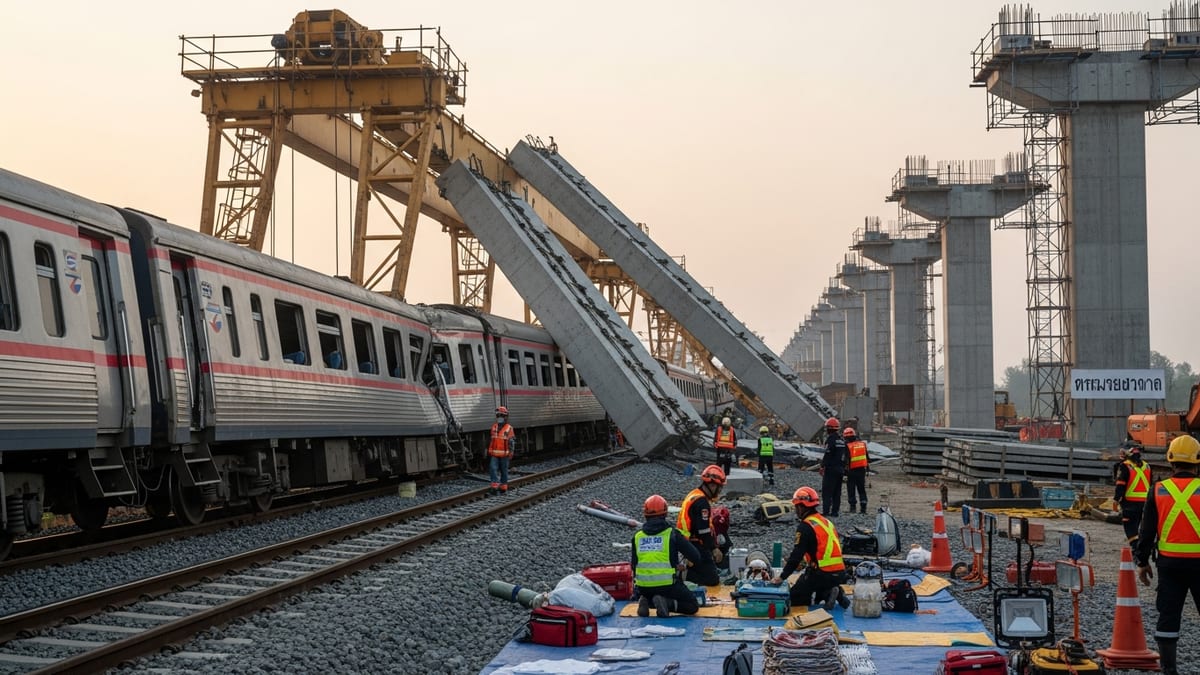
Ongoing wreckage removal and environmental cleanup
Recent coverage of the derailment indicates that rail contractors and emergency-response teams continue to work around the damaged line, cutting apart twisted railcars, lifting them from the right of way and hauling metal and debris to staging areas for inspection and disposal. Heavy equipment has been deployed to stabilize cars that left the tracks, rebuild the rail bed and restore signaling infrastructure so that limited train traffic can resume once regulators give clearance.
Publicly available information shows that cleanup plans focus on two tracks of work: repairing the transportation corridor itself and containing contamination from hazardous cargo. Environmental contractors have been removing impacted soil and ballast around the derailment zone, using vacuum trucks and lined dump trailers to move waste to approved facilities. Monitoring wells and surface-water sampling sites have been added in nearby low-lying areas to check for any migration of chemicals away from the derailment footprint.
Reports from state and federal agencies describe a multiday effort that extends beyond the visible wreckage. Crews are documenting each damaged tank car, cataloging what it carried, and determining whether product was released, burned off or successfully transferred to replacement cars. That documentation will help inform later investigations into what failed on the train and how well safety systems worked once the derailment occurred.
Officials have signaled that on-the-ground operations are expected to continue until all compromised railcars are removed, contaminated soil is excavated to agreed thresholds and follow-up testing confirms that air and water readings have returned to background levels. Even after the last crane leaves, longer-term monitoring around the corridor is likely to remain in place.
Hazardous materials lawsuit from Marshall County native
Against this backdrop of ongoing cleanup, a Marshall County native has filed a hazardous materials lawsuit that places the derailment and its cargo under closer legal scrutiny. According to published coverage, the suit argues that rail and chemical interests did not do enough to prevent dangerous freight from overturning and entering nearby communities and ecosystems.
The complaint focuses on the mix of hazardous materials carried on modern freight trains, pointing to chemicals that can form toxic plumes if they burn or leak. Court filings reviewed in media reports indicate that the plaintiff seeks both damages and stronger requirements for route planning, tank-car standards and disclosure of what is moving through populated areas.
Legal observers note that the case echoes earlier litigation involving large rail incidents where hazardous cargo, including flammable liquids and industrial gases, escaped containment. Those earlier disputes often revolved around whether companies adequately assessed risk, maintained track and equipment to current standards and acted quickly enough to protect surrounding neighborhoods once a derailment took place.
The suit by the Marshall County native is expected to test how judges weigh these arguments in light of recent federal guidance on tank car safety, hazardous materials routing and emergency-response coordination. It may also influence how much detail railroads share with local governments about the hazardous commodities that regularly pass through their jurisdictions.
Community concerns over health risks and transparency
Residents in communities near the derailment site have expressed concern about potential short- and long-term health effects from exposure to spilled or burned chemicals. Reports from regional outlets describe questions about air monitoring results, the handling of contaminated runoff and the criteria authorities are using to decide when roadblocks and shelter-in-place recommendations can be lifted.
Publicly available information shows that environmental agencies have posted periodic updates on sampling data, including readings for volatile organic compounds and other substances associated with the train’s cargo. While many of those summaries indicate that levels remain below regulatory thresholds away from the immediate crash site, residents and advocacy groups often argue that they want broader testing and clearer explanations of what the numbers mean for daily life.
In previous high-profile derailments involving hazardous materials, community frustration has tended to grow when cleanup timelines stretch into weeks or months and when damaged cars and soil remain visible from nearby homes and businesses. Analysts say that how communications are handled in the current case, and how quickly contaminated material is removed, may shape local trust in both the rail operator and government regulators.
The hazardous materials lawsuit adds another venue where these concerns are likely to surface, as attorneys seek depositions and records related to risk assessments, emergency-response planning and decisions made in the minutes and hours after the derailment. The outcome could influence how future incident briefings are conducted and what kind of long-term health tracking is offered to affected residents.
Rail safety reforms and industry response under renewed scrutiny
The combination of a complicated cleanup and a new legal challenge has renewed attention on national rail safety policy. Transportation analysts point out that federal regulators and industry groups have spent the past several years debating how quickly to phase in more robust tank-car designs for hazardous materials, what kinds of braking technology should be required and how often tracks carrying heavy hazmat traffic should be inspected.
Trade publications note that railroads typically defend their safety record by highlighting the relatively small share of hazardous-materials shipments that result in releases during accidents. At the same time, recent derailments have underscored how a single incident can generate weeks of disruption, costly environmental remediation and ongoing medical and legal questions when a chemical plume or contaminated waterway is involved.
According to policy briefs and academic reviews, proposals under discussion include tighter speed limits for long trains carrying multiple hazardous cargos through densely populated areas, improved real-time monitoring of wheel bearings and other components, and expanded grants to help local fire departments and hazmat teams train for rare but high-consequence rail events.
The Marshall County case slots into that wider landscape by challenging whether railroads and shippers are doing enough to anticipate worst-case scenarios. Any settlement or judgment that emerges from the litigation could contribute to a growing body of case law that shapes how companies calculate risk and invest in preventive measures across the national freight network.
Implications for travelers and regional mobility
For travelers, the derailment and its aftermath highlight how closely long-distance mobility is linked to rail safety and environmental management. While passenger services may not share the exact corridor involved in the incident, freight lines often run parallel to highways, local roads and, in some regions, passenger-rail routes used by commuters and long-distance riders.
Published accounts of similar incidents show that derailments can trigger highway closures, detours and temporary rail-service suspensions as responders secure the scene. Motorists can encounter extended travel times when grade crossings are blocked or when damaged bridges and culverts require inspection and repair after heavy trains leave the tracks.
Travel experts note that, in regions where rail corridors thread directly through downtowns and along river valleys, hazardous materials incidents can also affect outdoor recreation and tourism. Trails, campgrounds and waterways sometimes close during cleanup and monitoring, affecting small businesses that depend on seasonal visitors.
As crews continue to remove wreckage and as the hazardous materials suit filed by the Marshall County native moves forward, transportation planners and local officials are likely to revisit how rail safety, land use and emergency access intersect. The way those questions are resolved may influence future development near active rail lines and the kind of information travelers receive when major incidents disrupt a region’s transportation network.