


More news on this day
Heavy rain and thunderstorms sweeping through the Chicago area disrupted weekend air travel, triggering hundreds of flight cancellations at O’Hare International Airport and compounding delays as more rounds of wet weather remained in the forecast.
Get the latest news straight to your inbox!
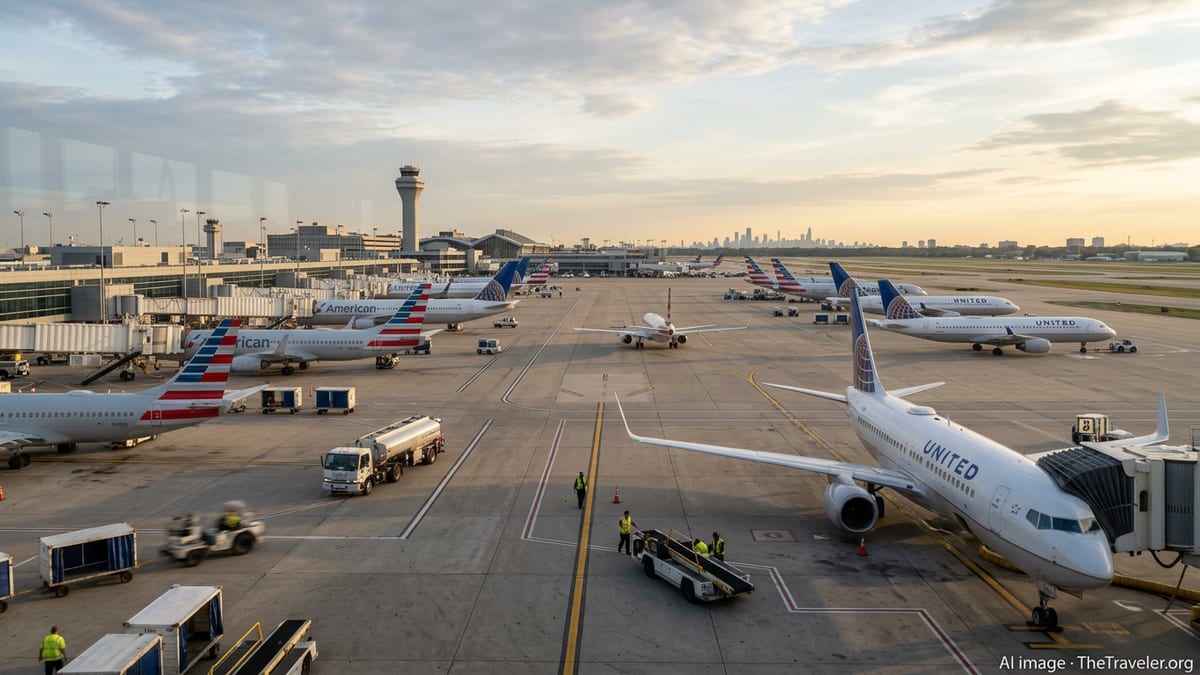
Hundreds of cancellations as rain moves through the region
Published coverage and airport data showed widespread impacts at Chicago O’Hare on Saturday, September 19, 2026, as bands of heavy rain moved in. By mid-afternoon, the Chicago Department of Aviation’s online status reporting indicated 347 canceled flights at O’Hare, with average delays around 68 minutes.
By early evening, additional reporting put the tally slightly higher, with 353 cancellations at O’Hare and average delays near an hour. The disruption spread to Chicago Midway International Airport as well, with reports showing 71 cancellations there and comparatively shorter average delays under 15 minutes.
While Chicago-area airports can absorb routine showers, heavy rain combined with thunderstorm risk tends to reduce arrival and departure rates, increasing congestion both in the air and on the ground. With O’Hare serving as a major hub, a disruption at ORD can cascade into missed connections and equipment rotations across airline networks.
FAA traffic management slows arrivals and departures
As the weather intensified, publicly available Federal Aviation Administration information indicated O’Hare was placed under a ground delay program, a traffic-management step that can hold some departing flights on the ground to manage congestion at the destination airport.
Local reporting indicated the ground delay was expected to remain in effect late into Saturday evening, extending to 10:59 p.m. local time. Such programs are commonly used when runway capacity drops due to storms, low visibility, or other hazards that require wider spacing between aircraft.
For travelers, a ground delay can mean departures are pushed back before boarding or after pushback, depending on how airlines meter aircraft into the system. It can also affect inbound flights waiting to depart from other airports for Chicago, which is why passengers sometimes see delays before their aircraft even leaves the origin city.
Rainfall totals, flooding concerns, and a soggy outlook
Forecast coverage during the event pointed to multiple rounds of rain through the weekend, with up to about three inches possible in parts of the area, along with thunderstorms capable of producing brief downpours and localized flooding.
On Sunday, September 20, 2026, regional coverage described ongoing rainfall and flood advisories, with the wet pattern expected to continue into Monday. The same reporting highlighted broader community impacts, including cancellations of outdoor events amid persistent downpours and lightning risk.
For aviation, the challenge is not only rainfall totals but timing and intensity. Short, intense bursts of rain and thunderstorms can force temporary arrival slowdowns, runway configuration changes, and periodic stops to ramp activity for safety, all of which can create waves of delays that take hours to unwind.
What travelers can do right now: rebooking, refunds, and timing
Travelers with flights through O’Hare or Midway during active storms often face a fast-changing situation. Published coverage during the Chicago disruptions emphasized checking flight status directly with the airline before leaving for the airport and allowing additional time for weather-related congestion and slower operations.
When a weather event drives cancellations, rebooking options can shift throughout the day as airlines reposition aircraft and crews. Passengers may have better odds of securing alternatives by monitoring earlier flights that operate successfully, considering nearby departure windows, or looking at next-day departures if the storm pattern lingers.
Even when a flight is not canceled, delays can create connection risk at major hubs. Travelers with tight connections through O’Hare may benefit from adjusting itineraries before arriving at the airport, especially if inbound delays threaten to compress minimum connection times and increase the chance of misconnects.
Why O’Hare disruptions can ripple nationwide
O’Hare is among the country’s highest-volume airports, and heavy weather there can affect flights far beyond Illinois. When arrival rates drop, aircraft and crews can end up out of position, which can force airlines to cancel later flights even after the worst weather has moved away.
That network effect is especially pronounced on weekends, when many travelers are connecting and aircraft are scheduled tightly to support high-frequency routes. A prolonged period of delays or cancellations can take a full day or more to normalize, depending on the weather’s duration and whether subsequent storms develop along other key corridors.
In 2026, O’Hare has also been operating within FAA-managed limits on scheduled operations that are intended to maintain safe and efficient flows amid constraints. While those limits are aimed at reducing chronic congestion, a strong storm system can still overwhelm available capacity, making weather the dominant factor in the pace of recovery.