


More news on this day
Holland America Line is steering its flagship vessel, Rotterdam, toward the Mediterranean on extended itineraries for the first time, signaling a broader strategic pivot toward Europe and long-haul destination cruising.
Get the latest news straight to your inbox!
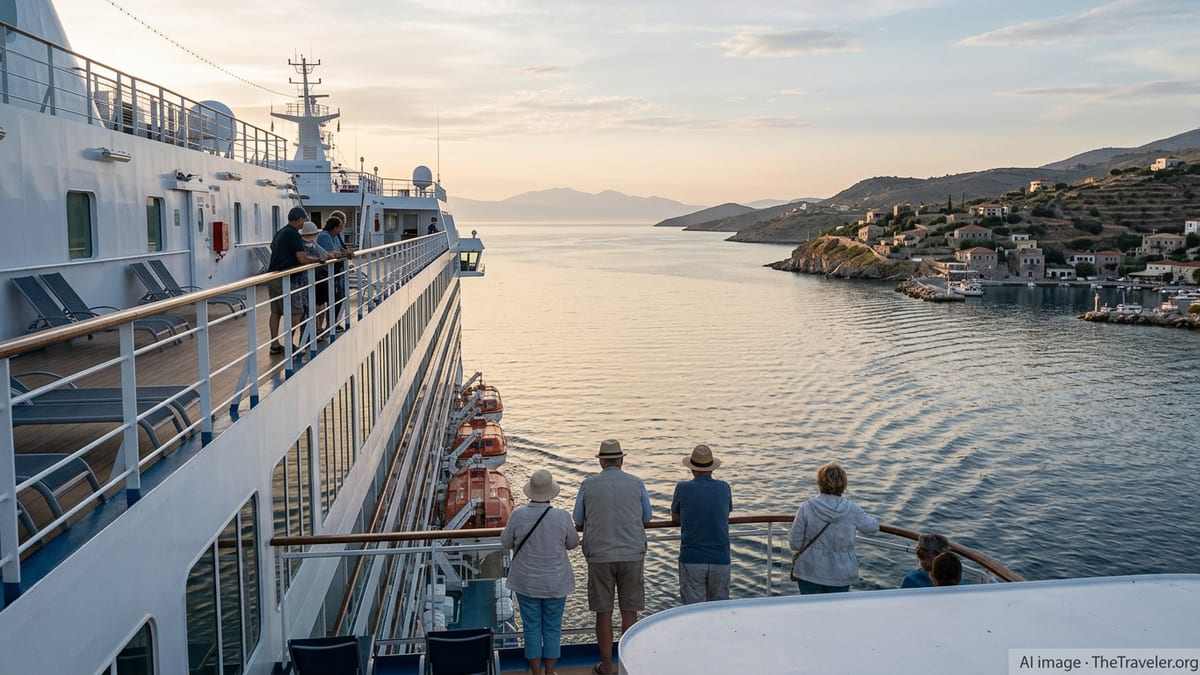
Flagship Rotterdam Heads South to the Mediterranean
Rotterdam, the newest and flagship vessel in Holland America Line’s fleet, is slated to take on an expanded role in Europe as the company introduces longer sailings that bring the ship into the Mediterranean for the first time as a core deployment focus. Publicly available planning documents for the 2026 and 2027 seasons show the 2,668-guest Pinnacle-class ship transitioning from a primarily Northern Europe schedule into itineraries that stretch deep into the Western Mediterranean.
Rotterdam has historically concentrated on northern routes from Rotterdam and other North Sea gateways, visiting ports in Norway, Iceland, the British Isles and the Baltic. Recent schedule updates indicate that the ship will increasingly combine these cooler-climate voyages with warmer-weather calls in Spain, Portugal and other Mediterranean-access ports, reflecting broader demand for destination variety on a single voyage.
Industry coverage notes that Holland America has been gradually reshaping its European program around longer, more immersive itineraries that connect northern capitals with classic Mediterranean destinations. In this context, assigning the line’s flagship to extended Mediterranean-inclusive sailings is being viewed as a statement of intent about the importance of the region to Holland America’s future deployment.
Part of a Wider Shift to Year-Round Europe
Rotterdam’s move toward the Mediterranean comes as Holland America accelerates a larger expansion in Europe, including plans to maintain a ship in the region year-round for the first time in the 2027 to 2028 season. Trade and consumer reports describe a portfolio that will ultimately blend summer North Sea and Baltic cruises with winter and spring itineraries in the Western Mediterranean and Canary Islands.
According to published coverage, the strategy is designed to capture sustained demand from both North American and European travelers seeking longer sailings and shoulder-season departures that avoid peak summer crowds. Rotterdam’s Mediterranean-linked deployments fit into this pattern by offering voyages that connect familiar Northern Europe departure ports with warmer-weather destinations further south.
Analysts note that the decision to route the flagship into the Mediterranean coincides with increased marketing in key European source markets, particularly the Netherlands and the United Kingdom. Cruises that embark from Rotterdam or Dover and continue south toward Spain and the wider Mediterranean region are being positioned as convenient, flight-free or short-flight options for regional travelers, while remaining accessible to long-haul guests from North America.
Longer Itineraries Blend Northern Europe and the Med
Holland America’s latest brochures and online materials highlight itineraries that blur the traditional lines between Northern Europe and Mediterranean seasons. For Rotterdam, this is reflected in multi-week sailings that begin in ports such as Rotterdam or Dover and trace a route along the Atlantic coasts of France, Spain and Portugal before pushing into the Western Mediterranean.
These extended cruises typically feature a mix of marquee destinations, from Cadiz and Barcelona to smaller coastal cities and islands. The format allows guests to experience contrasting climates and cultures in a single journey, starting with cooler, fjord-framed or North Sea landscapes and ending among warmer southern shores and historic Mediterranean ports.
Observers point out that this approach aligns with industry trends favoring “collector” or “grand” voyages that encourage guests to stay on board for two or more combined itineraries. For Rotterdam, deployments that incorporate the Mediterranean are expected to appeal to travelers seeking in-depth regional exploration without multiple long-haul flights or frequent embarkation changes.
Competitive Positioning in the Premium Cruise Segment
Holland America’s decision to send its flagship toward the Mediterranean also carries implications for the broader premium cruise market. The Pinnacle-class Rotterdam, with its focus on live music venues, destination-focused programming and mid-size ship feel, competes directly with other lines that have invested heavily in European capacity in recent years.
Cruise industry commentators suggest that placing Rotterdam on itineraries that include the Mediterranean helps Holland America reinforce its Dutch heritage while offering an alternative to larger, resort-style vessels that dominate certain parts of the region. The ship’s size allows access to a mix of marquee ports and smaller harbors, which can be a differentiating factor for travelers seeking a balance between familiar cities and lesser-known coastal stops.
At the same time, the move underlines the cruise line’s commitment to longer voyages that emphasize port time and cultural immersion. By using its flagship to showcase extended Mediterranean-linked routes, Holland America is signaling that destination-rich itineraries remain central to its value proposition in a competitive marketplace.
What the Shift Means for Travelers
For guests, Rotterdam’s new Mediterranean presence translates into a broader range of European options, particularly for those interested in combining classic northern routes with sunshine, food and history along the Mediterranean basin. Travelers booking for 2026 and 2027 will see more choices that start or end in Northern Europe but spend a significant portion of the itinerary in Spanish, Portuguese and other southern ports.
Public information from Holland America indicates that many of these voyages can be booked as shorter individual segments or combined into longer “collector” journeys, giving travelers flexibility in how deeply they wish to explore the region. This modular structure is expected to appeal to repeat cruisers who have already visited certain marquee ports and now want to extend their experience into new parts of the Mediterranean.
As the cruise line refines its European offerings, Rotterdam’s deployment into the Mediterranean is being closely watched as a barometer of demand for extended, multi-region itineraries. If interest continues to grow, observers anticipate that Holland America could further expand the flagship’s presence in southern waters in future seasons, solidifying the Mediterranean as a core pillar of its Europe strategy.