

More news on this day
The United Kingdom has quietly downgraded its travel warning for the United Arab Emirates, with updated Foreign, Commonwealth and Development Office guidance signalling a modest easing of concern over trips to key hubs Dubai and Abu Dhabi.
Get the latest news straight to your inbox!
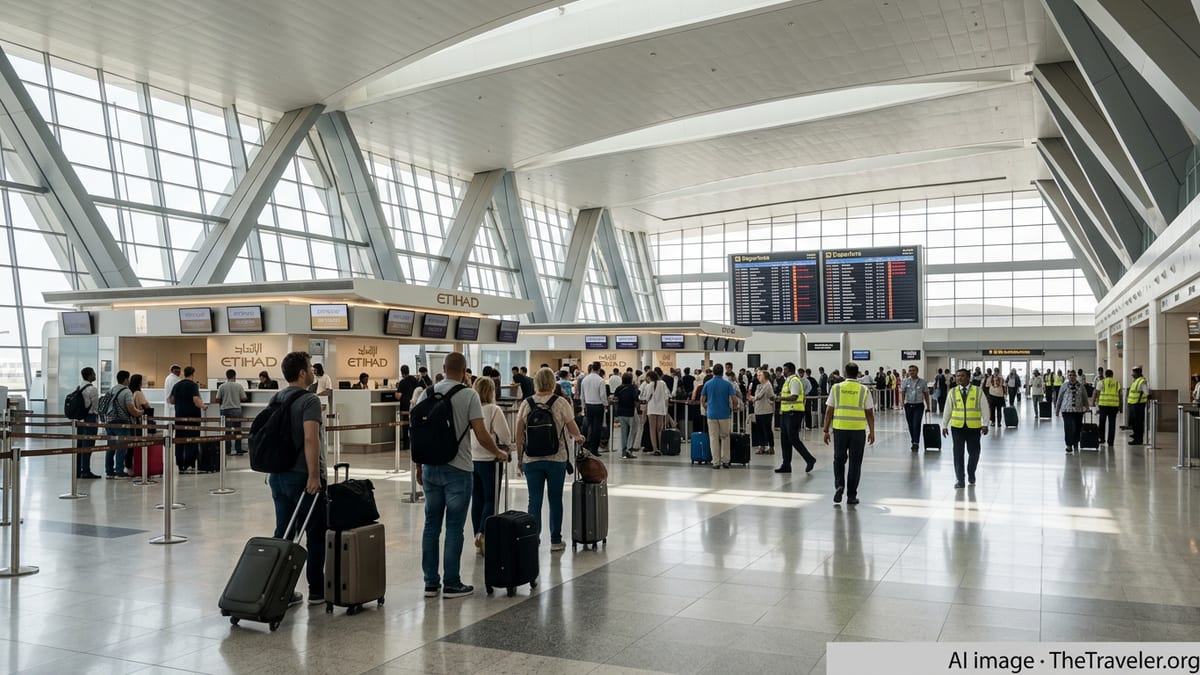
Foreign Office Advice Shifts After Months of Heightened Concern
Publicly available Foreign, Commonwealth and Development Office information now indicates that the United Arab Emirates is no longer treated in the same highest-risk category that applied during the peak of recent regional tensions. Earlier in the year, guidance had strongly discouraged most leisure travel, reflecting worries about spillover from wider Middle East instability and the potential for disruption to flights.
The latest wording, while still urging vigilance, moves the UAE into a lower warning tier than some neighbouring states. Coverage of the change suggests that the UK government’s underlying security assessment has become more nuanced, distinguishing between active conflict zones and countries acting primarily as aviation and transit hubs.
Travel industry observers note that this repositioning follows similar recalibrations by other governments, including Australia, which recently shifted its own advice on the UAE from its strictest level to a more moderate “reconsider your need to travel” setting. The broad trajectory across multiple advisories points to an environment where risk remains present but is no longer viewed as uniformly extreme.
For British travellers, the practical effect is that holidays and business trips to Dubai and Abu Dhabi are no longer framed in the same terms as travel to locations where authorities still advise against all or all but essential visits. However, the guidance continues to stress the importance of monitoring developments and being prepared for rapid change.
Dubai and Abu Dhabi Remain Critical Global Aviation Gateways
The UK advisory shift comes at a time when Dubai International and Abu Dhabi International are reasserting their roles as pivotal global aviation hubs. Airline and airport updates indicate that operations at both airports have largely stabilised following earlier interruptions and schedule reshuffles prompted by regional security concerns.
Recent bulletins from major Gulf carriers show extensive long-haul schedules being maintained through Dubai and Abu Dhabi, with connections across Europe, Asia, Africa and Australasia. Industry reports highlight that capacity through these hubs has been restored to high levels, even as airlines retain contingency plans for airspace changes and routing diversions.
A shipping and ports advisory issued in late May pointed to full operational status across UAE ports and noted that Dubai International was functioning at close to normal capacity, reinforcing the picture of a country working to keep trade and passenger flows moving despite a fragile regional backdrop. Aviation analysts say this operational resilience has been a key factor in governments’ decisions to partially relax blanket warnings.
Travel experts caution, however, that long-haul itineraries transiting the Gulf can still be affected at short notice if regional airspace is restricted. Passengers are therefore being encouraged to build flexibility into plans, keep contact details up to date with airlines and allow extra time for potential rerouting.
What the Downgrade Means for UK Holidaymakers and Insurance
The Foreign Office change is particularly significant for British tourists with package holidays and stopover stays in Dubai and Abu Dhabi. When UK advice moves away from “avoid all but essential travel,” it often unlocks more straightforward options around refunds, rebooking and standard insurance coverage.
Consumer guidance available in the UK emphasises that many travel insurance policies may not cover trips undertaken against official government warnings. As the wording on the UAE has softened, travellers who had postponed or restructured plans while advisories were at their strictest are now revisiting bookings for late summer and autumn, particularly for family breaks and multi-centre itineraries that combine the Gulf with destinations in Asia or the Indian Ocean.
Specialist travel law commentators note that, during periods when advice is set at the highest levels, tour operators frequently offer fee-free date changes, alternative destinations or credit notes in order to comply with consumer protection rules. A downgrade in the perceived level of risk generally reduces that pressure, meaning standard booking terms and conditions are more likely to apply again.
Prospective visitors are still being urged to check both their policy’s small print and the most current Foreign Office wording immediately before departure, as any renewed escalation in regional tensions could prompt another rapid change in the official stance.
Regional Context: Risk Eases but Volatility Persists
The UK’s move sits within a wider pattern of gradual easing across some Middle East advisories, even as other countries in the region continue to attract the strongest warnings. Foreign travel pages maintained by the British government still advise against all or all but essential travel to several nearby territories, underscoring that the broader security environment remains fragile.
Recent updates from other governments underline the same tension between optimism and caution. Australia, for example, has publicly confirmed that while it now rates travel to the UAE and several Gulf neighbours at a lower level than earlier in the year, it continues to warn that conditions could deteriorate quickly, with little or no notice.
Security analysts suggest that the current phase reflects a shift from immediate crisis management to medium-term risk monitoring. Missile and drone incidents affecting infrastructure and airspace earlier in the year have diminished in frequency, according to regional reporting, but are still factored into official assessments.
For travellers, this means that while the perception of day-to-day risk in urban centres such as Dubai and Abu Dhabi has improved, itineraries remain more exposed to geopolitical developments than before the latest bout of regional instability. Flexibility, careful planning and attention to official updates are therefore still viewed as essential.
Practical Steps for Travellers Planning UAE Trips
In light of the UK’s revised guidance, travel commentators recommend a series of practical measures for those considering trips to Dubai, Abu Dhabi or onward connections through the Emirates. The first is to consult the Foreign Office travel advice regularly in the weeks leading up to departure, with a final check on the day of travel to confirm there have been no sudden changes.
Airline communications are also playing an important role. Carriers serving the UAE are continuing to issue operational updates covering schedule adjustments, aircraft changes and any temporary rerouting of services. Keeping email and phone details current within airline bookings helps ensure passengers receive timely notifications if flights are retimed or rebooked.
On the ground, travellers are being encouraged to register local contact details with their tour operator or accommodation provider and to familiarise themselves with hotel security procedures. While daily life in Dubai and Abu Dhabi is described in many traveller accounts as largely normal, heightened awareness of surroundings and readiness to follow local instructions in the event of an alert remain advisable.
Finally, specialist travel advisers stress the value of comprehensive insurance that explicitly covers disruption related to geopolitical events, as well as medical care and emergency evacuation. With advisories for the wider region still subject to rapid revision, robust coverage is seen as an important safeguard for those taking advantage of the UK’s softened stance on travel to the UAE.