


Across Europe, a quiet but powerful shift is underway in who drives tourism spending. New analysis based on UK Office for National Statistics data shows British women sharply increasing how much they spend per trip across key European destinations, with Austria recording the most dramatic jump as average female spending there more than doubles in a single year. For travelers planning European trips in 2026, understanding this trend is no longer just an industry curiosity, it is becoming a practical factor in when, where and how to travel.
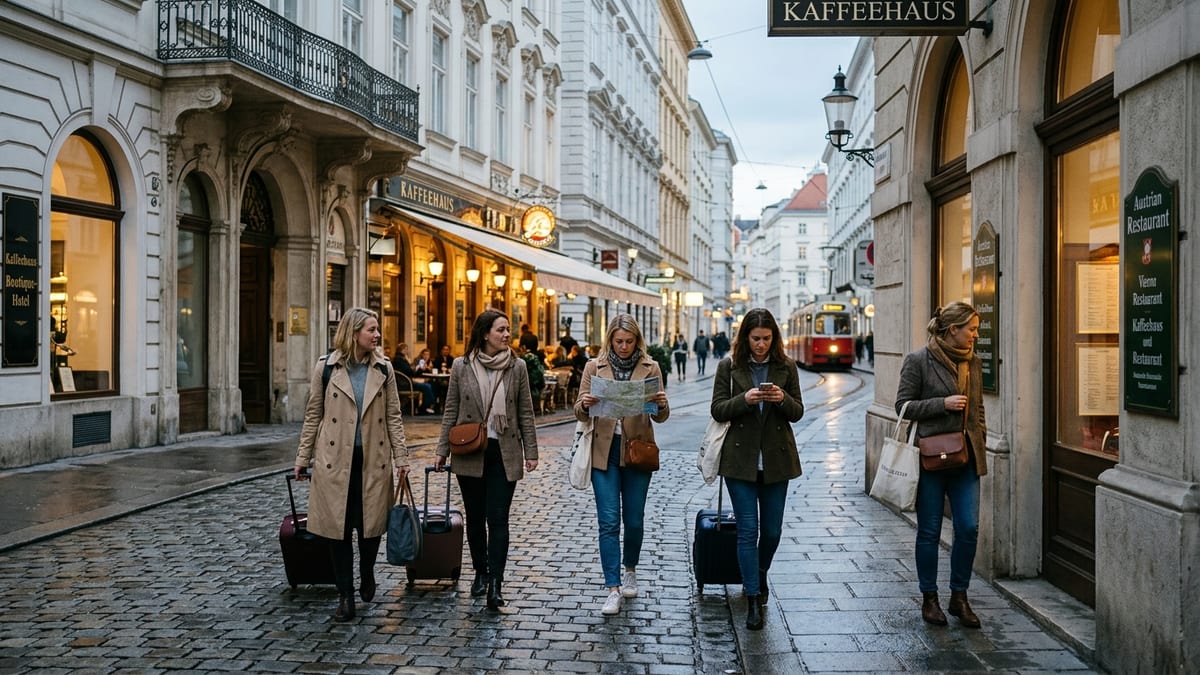
A shift that is reshaping European tourism
The latest figures from Solo Female Travelers, based on UK outbound data for 2023 and 2024, point to a structural change in how British women travel in Europe. Across 23 European countries with complete year on year data, 19 saw an increase in female spending per visit, indicating that this is not an isolated spike but a broad pattern of rising investment in travel.
Austria stands out most clearly. Average spending per visit by British women climbed from £243 in 2023 to £500 in 2024, a 105.56% increase. For a country that already attracts city break visitors to Vienna and ski travelers to Tirol and Salzburg, a doubling in per trip outlay suggests not just more visitors but deeper, higher value stays.
Other destinations are riding this wave as well. Belgium and Hungary recorded year on year growth in female spend per visit of 53.89% and 32.12% respectively, while Germany, Cyprus and the Republic of Ireland saw rises of roughly a quarter or more. Taken together, the data indicates that British women are becoming one of the most dynamic and resilient spending groups in European tourism.
The context across Europe helps explain why this matters. European institutions and industry analysts describe a sector that has not only recovered from the pandemic but in many places surpassed pre 2019 performance, with nights in tourist accommodation and overall receipts continuing to edge higher. In that environment, a fast rising, relatively stable source of demand like British women has real weight in how destinations plan capacity, marketing and pricing.
Austria’s standout surge and the broader country rankings
Austria’s 105.56% jump in average female spend per trip is at the core of this story. Moving from £243 to £500 per visit in a single year means British women are now spending roughly twice as much each time they visit. In practical terms, that could reflect more long weekend breaks to Vienna that turn into four or five nights, added nights in Salzburg before or after skiing, or a shift from simple bed and breakfast stays to design hotels and boutique alpine lodges.
In a composite index that combines spending growth, women’s share of overall tourism spending and the gender gap in average spend, Austria ranks first with a score of 66 out of 100. Belgium places second with a score of 61 after recording female spend per visit rising from £394 to £607. Czechia, Cyprus and Denmark follow, each for slightly different reasons, from strong growth to high absolute spend levels or near parity in male and female spending.
Denmark is a useful example of how high spending does not always mean the fastest growth. British women already spend an average of £952 per trip there, the highest female spend per visit in the dataset, very close to the £966 average for men. That level of spending suggests trips that combine Copenhagen’s restaurant and cultural scene with longer journeys into the countryside, such as the coastal towns of North Zealand or design focused stays in Aarhus.
Other countries stand out for different reasons. Czechia is the only destination where women outspend men on average, by about 9.6%, a hint that British women visiting Prague, Brno and spa towns such as Karlovy Vary are investing more in experiences, higher end accommodation or longer stays than their male counterparts. Greece and Lithuania, meanwhile, show women accounting for just over half of all per visit tourism spending, which emphasizes how central female visitors have become to their tourism economies.
Where spending is rising the fastest
Looking purely at growth, Austria leads by a wide margin, followed by Belgium and Hungary. Germany, Cyprus, the Republic of Ireland, Poland, Malta, Czechia and the Netherlands round out the top ten for year on year increases in average female spend per visit. The geographical spread is notable, since it cuts across Northern, Western and Eastern Europe rather than clustering in a single region.
In Western Europe, Belgium’s 53.89% rise in spending per visit suggests that cities such as Brussels, Antwerp, Ghent and Bruges are attracting more high value trips from British women. That might translate into long weekends built around food, fashion and culture, with travelers staying in centrally located boutique hotels and booking guided experiences, from chocolate workshops to art tours, rather than relying only on self guided sightseeing.
In Central and Eastern Europe, Hungary’s 32.12% jump and Poland’s 21.08% rise indicate that British women are channeling more budget into destinations once thought of primarily as lower cost city break options. A visit to Budapest that might once have centered on cheap flights and budget hostels is more likely now to include thermal spa packages, wine tastings in Buda, and dinners in contemporary restaurants. In Poland, longer trips that mix Warsaw, Kraków and nature areas such as the Tatra Mountains or the Baltic coast are becoming a more realistic explanation for higher per trip spending.
The fact that higher spending shows up across both higher price and relatively affordable countries suggests that British women are less focused solely on chasing the lowest costs and more on tailoring trips to specific interests. Whether that means paying for a river cruise in Vienna, a Michelin star tasting menu in Copenhagen or a wellness retreat in Cyprus, the pattern points to a willingness to trade quantity of trips for higher quality experiences on each one.
How British women are changing travel behavior
Behind the numbers lies a shift in the way British women travel. Industry surveys and card transaction studies across Europe highlight several overlapping changes, including longer stays, a higher share of spending on experiences and a continued rise in solo and small group trips. Mastercard’s analysis of European travel in 2024, for example, found that visitors are now staying roughly two extra days on average compared with before the pandemic, with spending on experiences reaching its highest share of tourism sales in at least five years.
British women appear to be part of this move toward more time rich, experience heavy travel. Instead of three nights in one city, it is becoming more common to see four or five nights split between a capital and a smaller town, or a full week that includes both active and restorative elements. A traveler might fly from London to Vienna, spend several days exploring coffeehouses and museums, then take the train into the Salzkammergut region for hiking and lakeside stays, which naturally increases overall trip spending.
Spending patterns within trips are also shifting. Women are allocating more budget toward activities and services that enhance safety, comfort and meaning, such as guided walking tours, well reviewed airport transfers, small group wine tastings, or wellness treatments at reputable spas. In cities such as Copenhagen, Barcelona or Lisbon, it is increasingly normal for female visitors to book centrally located hotels with strong reviews and good lighting around the property, even if that means spending more per night.
This fits with a broader rise in solo female and women led group travel. Operators across Europe report adding women only departures and female focused itineraries, from hiking weeks in the Austrian Alps to yoga and wellness retreats in coastal Portugal. These trips often come with higher per person price tags than basic package holidays, because they include specialized guides, smaller group sizes and curated experiences, all of which show up in the kind of per visit spending increases seen in the data.
Why this trend is happening now
The surge in British female travel spending in Europe reflects several intertwined social and economic forces. One factor is the steady growth in women’s earning power and financial independence in the UK, which gives more women the ability to prioritize travel as a key form of discretionary spending. Surveys of European travelers in 2024 and 2025 show that despite cost of living pressures, many continue to ring fence budget for holidays, often by cutting back in other areas rather than on trips.
Demographic change is another driver. Many women in their thirties and forties are delaying major life milestones such as home ownership or starting a family, yet maintaining stable careers. For this group, travel is often seen as both a reward and an investment in wellbeing, skills and cultural understanding. Long weekend city breaks, language learning stays, culinary workshops and outdoor retreats all resonate strongly with this demographic, and they tend to be willing to spend more per trip to ensure quality and safety.
Cultural visibility of solo female travel has also increased sharply over the last decade. Media coverage, social platforms and specialized tour companies have normalized images of women hiking alone in the Dolomites, taking overnight trains across Central Europe or working remotely from Lisbon for a month. This normalization helps reduce perceived risk, and it encourages travelers to consider destinations that might previously have felt too unfamiliar, such as Lithuania’s Baltic coast or off season trips to Cyprus and Malta.
Finally, the post pandemic revaluation of time and priorities still influences travel behavior. For many, the years of restricted movement underscored how finite travel opportunities can be. As a result, there is a stronger tendency to design trips around personal interests, from food and wine to art, wellness, or outdoor sport, and to accept higher costs in return for richer experiences. When combined with robust demand for Europe as a destination, that mindset naturally produces higher average spend figures, particularly among groups like British women who feel both motivated and financially able to invest more in travel.
What it means for prices and travel planning
For travelers on the ground, the rise in British female spending across Europe is likely to be felt most directly through pricing and availability in popular destinations. As women account for a larger share of high value demand in countries like Austria, Denmark, Greece and Lithuania, accommodation and experience providers will respond by fine tuning prices and inventory around the periods and products that attract this segment.
In practical terms, that might mean city break destinations where British women form a strong share of visitors see higher prices for centrally located, design forward hotels and apartments, particularly over long weekends and around key events. Vienna during Christmas markets, for example, is already busy, but a jump in higher spending visitors can push up rates for well located properties and make pre booking for popular restaurants, concerts and guided tours more important.
In resort and nature destinations, demand from women for wellness, outdoor and small group experiences may encourage operators to introduce more premium options, such as women only hiking weeks in the Austrian Alps, yoga and cold water swimming retreats in Denmark, or curated gastronomy itineraries in Belgium. These products tend to command higher prices than standard excursions and can nudge overall spend figures upward, particularly in shoulder seasons when providers look to fill capacity with niche offerings rather than deep discounts.
Not all destinations benefit equally, and that matters for travel planning too. Switzerland, Turkey, Luxembourg and Spain all recorded year on year drops in average female spend per visit, even though women still represent a large share of total tourism spending in Spain. Travelers may find that these countries are more aggressive with targeted discounts or value focused offers to regain lost ground, which can create opportunities for budget conscious visitors who are flexible about timing and location.
The Takeaway
For individual travelers, the core implication of this trend is straightforward. British women are becoming one of the most influential customer groups in European tourism, and destinations are noticing. That influence is expressed not only in where women go, but in how long they stay, what they choose to spend on and which types of experiences they prioritize.
If you are planning a European trip in 2026, it is helpful to think about whether you fit into or travel alongside this segment. If you are a British woman seeking a mix of culture, food and nature, you may find more women focused or women friendly products in destinations like Austria, Denmark, Czechia and Greece, from safer feeling accommodations to small group tours and wellness offerings. If you are a different type of traveler, these same changes might affect you indirectly through higher prices in certain neighborhoods or more competition for popular experiences.
Either way, the message of the data is that female travelers are no longer a niche to be catered to in special campaigns, but a core economic driver in their own right. Understanding how and where British women are spending can help any traveler anticipate pressure points on price and availability, identify emerging destinations that are investing in higher quality services, and make more informed choices about when and where to book.
FAQ
Q1: Are British women really spending more on European trips than before?
Yes, across 23 European countries with complete data, 19 recorded year on year growth in average spend per visit by British women between 2023 and 2024, indicating a broad rise rather than a handful of isolated cases.
Q2: Why is Austria seeing such a dramatic increase in female spending?
Austria recorded the strongest jump in the dataset, with average female spend per visit more than doubling from £243 to £500. This likely reflects a mix of longer trips, higher end accommodation and more spending on activities in cities and mountain regions that appeal strongly to women, from culture and food to wellness and outdoor sports.
Q3: Which other countries are benefiting most from higher British female spending?
Belgium and Hungary follow Austria in year on year growth, while Germany, Cyprus, the Republic of Ireland, Poland, Malta, Czechia and the Netherlands also show notable increases in average spend per visit. Denmark, Lithuania and Portugal stand out for having some of the highest absolute spend figures per female trip.
Q4: Do women now account for most tourism spending everywhere in Europe?
No, but women have become a major economic force in several destinations. In Greece and Lithuania, women account for just over half of all tourism spending per visit, while in countries such as Cyprus, Malta, Spain, Turkey, Portugal and Hungary, female spending shares range roughly between 46% and 50%.
Q5: How are travel habits of British women different from those of men?
On average, British women are directing more of their budgets toward experiences, comfort and safety rather than simply maximizing the number of trips. This can mean choosing centrally located, well reviewed accommodation, booking guided activities, and favoring itineraries that combine culture, nature and wellness, which often results in higher per trip spend.
Q6: Is solo female travel a major part of this spending surge?
Solo and small group female travel are important contributors. As more women feel confident traveling alone or in women only groups, they are booking specialized tours, retreats and experience rich itineraries that tend to be higher value per person than basic package holidays, which supports the rise in average spending noted in the data.
Q7: Will this trend make European travel more expensive for everyone?
It is likely to raise prices in specific segments rather than across the board. High demand from British women for centrally located hotels, well reviewed apartments and curated experiences can push prices up in popular areas and seasons, but travelers who are flexible about location, timing and accommodation type can still find good value in many parts of Europe.
Q8: Why did some countries see a drop in female spending despite the overall growth trend?
Switzerland, Turkey, Luxembourg and Spain all recorded year on year declines in average female spend per visit. This can stem from a mix of factors, such as shorter trip lengths, a shift toward more budget friendly options, or competition from other destinations, even if the absolute level of female spending or visit numbers remains high.
Q9: What practical steps should British women take when planning European trips now?
Given rising demand, it is wise to book popular destinations and peak periods earlier, especially if you want well located accommodation with strong safety and comfort reviews. Building some flexibility into dates, considering shoulder season travel and exploring emerging destinations such as Lithuania or inland regions of Austria and Portugal can also help secure better value.
Q10: How might the industry respond to the growing economic power of female travelers?
Tourism boards, hotels and tour operators are likely to invest more heavily in products that speak directly to women’s priorities, from safety focused design and clear information to richer experience offerings and women only or women led trips. Over time, this could mean a wider range of tailored options for female travelers, and a more visible recognition of women as a primary driver of European tourism spending rather than a secondary audience.