


I used to avoid big global hotel brands the way some travelers avoid tourist traps. I was convinced that a name like InterContinental meant generic lobbies, identikit rooms and a revolving door of business travelers checking emails at the bar. Then I actually stayed in a few of their flagship properties. Somewhere between a Roman palazzo on Via Veneto, a reborn grande dame in Bangkok and a thatched-roof overwater villa in Bora Bora, my prejudices quietly collapsed. InterContinental did feel corporate in all the ways that matter for consistency and reliability, but it also felt surprisingly local, human and, at times, downright special.
Get the latest updates straight to your inbox!
From Corporate Logo to Real Sense of Place
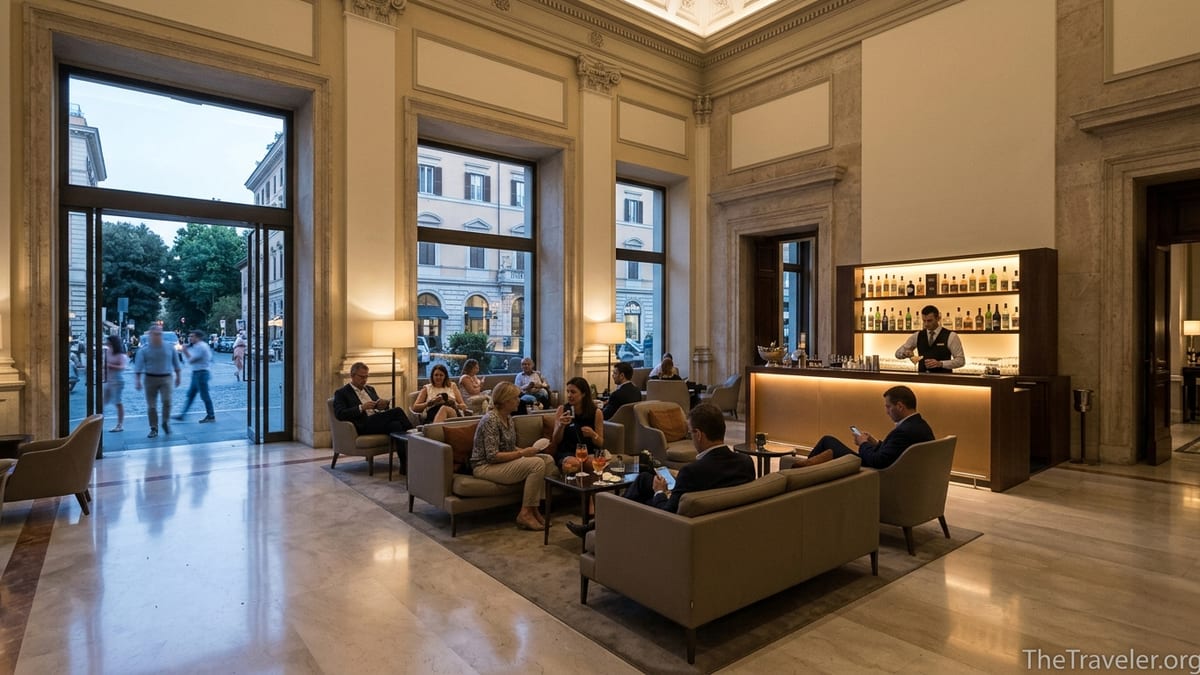
My mental picture of InterContinental was built from airport corridors and convention brochures. I expected wall-to-wall beige and a lobby that could be anywhere between Dallas and Dubai. Walking into the InterContinental Rome Ambasciatori Palace shifted that on its axis. The hotel occupies a Renaissance Revival palazzo on Via Veneto, a grand pile of stone that once housed the American Embassy Library. Inside, instead of a generic corporate lobby, there are high ceilings, ornate cornices and a bar named for Anita Ekberg that nods directly to Rome’s La Dolce Vita era. It feels like a Roman hotel first and a global brand second.
That same pattern repeated itself in Bangkok. When the InterContinental Bangkok reopened in June 2023 after a multimillion-dollar renovation, it could have leaned on the safe, international look many five-star chains favor in Asia. Instead, the refreshed spaces fold in Thai materials, textures and artwork, from warm woods and subtle silk details to a lobby that feels more like a contemporary Bangkok living room than a cookie-cutter business hotel. The corporate DNA is there in the polished service and slick operations, but the aesthetic clearly belongs to its city.
Even at the InterContinental Bora Bora Resort & Thalasso Spa, one of the most photographed resorts in French Polynesia, the setting does most of the talking. The overwater villas are definitely a product of a sophisticated hospitality group, but they have thatched roofs, wide decks suspended above an almost unreal turquoise lagoon and uninterrupted views of Mount Otemanu. It is hard to feel you are in a faceless chain when stingrays glide under your bathroom window at sunrise.
What changed my mind was realising that InterContinental’s corporate backbone does not erase local character. In its better properties it actually amplifies it, providing the resources to restore historic buildings in Rome, reimagine a central Bangkok tower or maintain an overwater resort on a private motu in Bora Bora without losing the sense of place that makes travel worth the effort.
How Big-Brand Structure Quietly Makes Travel Easier
The corporate side of InterContinental starts to feel like an asset the moment travel gets complicated. When my flight into Bangkok landed close to midnight after a delay, I did not have to wonder whether the reception at the InterContinental would still be staffed or if the airport transfer had been forgotten. The driver was waiting at the curb, the check in was swift and by the time my suitcase hit the floor of the room, the jet lag felt a little easier to bear. Big brands are built on systems and those systems matter when you are tired, late or dealing with a connection that suddenly disappeared from the departure board.
That extends to little details that only become visible when they are missing. In Rome, late return from a Trastevere dinner meant getting back to the hotel around midnight. Room service was still available, staff were unfazed about sending up mint tea and an iron, and the Wi-Fi did not blink as I uploaded a day’s worth of photos. At a small independent property, you might get the intimacy of chatting to the owner, but you will not always get a 24-hour crew or a tech team on call.
On the back end, the IHG One Rewards program stitches these stays together. Booking the InterContinental Bora Bora Thalasso Spa on points or a mixture of points and cash can shave hundreds of dollars off nightly rates that often push well into four figures. Regulars use milestone rewards and Ambassador free weekend night certificates to turn what looks like an aspirational splurge into something closer to a rational treat. It is not romantic, but it is real. A strong loyalty program is one of those corporate perks that directly shapes what kind of experiences you can actually afford.
The same structure shows up in safety and accessibility. In Bangkok, security screening at ground level, key-controlled elevators and well-rehearsed fire procedures add a subtle layer of reassurance, especially for solo travelers arriving late. In Bora Bora, the resort’s polished boat transfers and clear snorkeling guidelines are part of the same invisible scaffolding. None of this is unique to InterContinental, of course, but it is the sort of operational consistency that a global company can deliver more easily than a tiny one-off boutique.
Design That Balances Familiar Comfort With Local Flavor
One of my biggest fears about corporate hotels was waking up and genuinely not knowing which country I was in. InterContinental’s more recent renovations and openings suggest the brand understands that concern. The InterContinental Rome Ambasciatori Palace leans into its location with travertine, marble and warm, Roman shades on the walls. Many rooms have balconies or large windows over Via Veneto, so your first coffee is taken while looking at a streetscape that could only be Rome, not a generic business park.
In Bangkok, the redesign introduced lighter, more residential rooms with floor-to-ceiling windows framing either the Ratchaprasong skyline or the BTS lines slicing through the intersection. Thai touches are understated but present in the art and fabrics. You still get the hallmark features of an upscale chain, such as well-insulated rooms, generous desks and strong air conditioning, but the space feels like a highrise apartment belonging to someone who actually lives in the city.
Bora Bora’s Thalasso Resort goes in the opposite direction, away from glossy minimalism and into tropical escapism. Overwater villas come with glass coffee tables that double as windows into the lagoon, outdoor showers and decks that step directly into shallow, millpond-still water. There is polished stone in the bathrooms and modern lighting, a reminder that this is an international brand, but the feel is more barefoot-luxury than corporate. Walk outside at night and the only light pollution comes from your own villa and the soft glow from the boardwalks.
The balance here matters. Purely boutique hotels can be wildly creative, but they sometimes forget basics like enough outlets, blackout curtains or soundproofing. Purely corporate hotels can be flawlessly functional yet soulless. The best InterContinental properties I have visited or researched push toward a middle zone where you can plug in five devices, sleep in a bed that feels the same quality in Rome as it does in Bangkok and still open the curtains to a city that looks and feels unmistakably itself.
Service: Polished, But Not as Impersonal as I Expected
Service is where I expected the corporate training manuals to show the most. I pictured scripted greetings, robotic check in conversations and an army of staff who were experts in brand standards but strangers to real hospitality. On the ground, the reality felt more nuanced. In Bangkok, staff at the Club InterContinental lounge remembered my coffee order by the second morning and proactively helped rebook a dinner reservation when my meeting ran over. It was textbook five star service, but delivered with the relaxed, slightly playful warmth that Thai hospitality is famous for.
In Rome, front desk staff did all the standard things you would expect from a polished luxury hotel, like offering a welcome drink, giving an overview of the facilities and explaining breakfast hours. What stood out, though, were the off-script touches. A concierge suggested a small family-run enoteca near Campo de’ Fiori after asking exactly how casual I wanted the evening to feel and whether I minded standing at the bar. One housekeeper left a handwritten note with tips for viewing the Trevi Fountain early, clearly drawn from real local experience rather than a generic city fact sheet.
Bora Bora, despite being a full-blown resort with dozens of overwater villas, also managed to sidestep the conveyor-belt feel that big properties sometimes fall into. Staff driving the buggies around the motu are quick with local recommendations on which side of the lagoon is calmest at different times of day, and spa therapists at the Deep Ocean Spa talk knowledgeably about the seawater-based treatments that make the facility a stand-out in French Polynesia. There are certainly moments when you can feel the corporate script peek through, like standardized welcome speeches on boat transfers, but they are outnumbered by small, unscripted interactions.
This is where size becomes either a bug or a feature. A large company can hire and train at scale and set minimum expectations that keep service from dropping below a certain floor. It can also invest in language training and specialist concierges in a way that smaller hotels often cannot. The risk is that personality gets sanded down in the process. At the InterContinental properties that changed my mind, individual staff seemed encouraged to add local flavor on top of the formal structure instead of being boxed in by it.
Real-World Value: What You Actually Get for the Price
InterContinental sits firmly in the luxury segment of IHG’s portfolio, and nightly rates reflect that. It is easy to look at a price tag and dismiss it as another expensive chain. The question is what you actually get in return and how that compares to both boutique competitors and other global brands. In central Rome, for example, a historic palazzo on Via Veneto with modern rooms, a rooftop bar and a high-end restaurant will command a premium whether it is run by a one-off Italian owner or a multinational company. What you tend to get from InterContinental, in addition, is access to loyalty benefits, consistent room standards and the ability to earn and burn points across a worldwide network.
In Bangkok, where five-star supply is plentiful, InterContinental has to work harder to justify its rates. The central Ratchaprasong location, connected to the BTS Skytrain via a short walk and surrounded by malls, offices and embassies, makes it particularly compelling for travelers who want both sightseeing and easy business access. A stay here might not be radically cheaper than at an independent luxury hotel in another part of the city, but it often comes with added layers of value such as club lounge access for elite members, guaranteed late checkout on certain rates and occasional promotions that package breakfast, spa credits or airport transfers.
Bora Bora is another case entirely. Overwater bungalows anywhere in French Polynesia are expensive, regardless of who runs them. InterContinental’s Thalasso resort competes directly with properties from other global brands as well as a handful of independent hotels. One practical advantage that corporate ownership brings here is the ability to book with points or secure upgrades using status instead of relying solely on cash. Travelers who collect IHG One Rewards points through frequent business stays at city InterContinentals, Holiday Inns or Kimpton properties can funnel them into a once-in-a-decade South Pacific trip that might otherwise stay on the wish list indefinitely.
Value is not just about money but also about friction. Arriving at an InterContinental, I now expect certain baselines: good mattresses, strong water pressure, functional air conditioning, reasonably intuitive room controls and breakfast buffets that will not send me hunting for an emergency coffee elsewhere. When those assumptions hold, the room rate starts to look less like a pure number and more like a price on predictability, comfort and time saved solving problems that should not have existed in the first place.
When a Corporate Brand Still Might Not Be for You
None of this means InterContinental will convert every boutique devotee. There are travelers for whom the mere presence of a global logo on the facade is a turn-off, no matter how well a hotel channels local character inside. If your perfect stay revolves around chatting with the owner over breakfast, staying in a four-room riad or taking a chance on a just-opened guesthouse with no online footprint, a 200-room palace with dedicated sales teams and revenue management software will never quite scratch that itch.
Large properties inevitably feel busier. At peak check in time in Bangkok or during high season in Bora Bora, the lobby and breakfast restaurant are alive with people. Some guests will love the energy, others will miss the hush of a small inn. Corporate rules also mean there are limits to improvisation. An independent hotel might decide on a whim to serve breakfast on the roof for a handful of guests or host a pop-up wine tasting based on a neighbor’s spare cases. An InterContinental, with brand standards and safety policies to follow, will often be less spontaneous.
There are also variations across the portfolio. Not every InterContinental in every city is a jewel. Some are essentially high-functioning conference hotels with less local spirit than the Rome palazzo or the Bora Bora resort. Doing a bit of homework before you book matters. Recent guest photos, professional reviews and up-to-date descriptions can help you distinguish between a property that is essentially a well-run business hotel and one that genuinely blends corporate reliability with destination-driven flair.
For me, the shift was not about deciding that corporate is better than independent. It was about making peace with the idea that corporate and character are not mutually exclusive. In the right hands, a big-brand hotel can deliver many of the things I love about travel, from a strong sense of place to meaningful human connections, while quietly handling the complex logistics in the background.
The Takeaway
I went into my first InterContinental stay expecting polished blandness and walked out with a more complicated, and more generous, view. The brand’s global scale and corporate systems are undeniably present, but in its stronger properties they act less like a straightjacket and more like a safety net. Historic buildings in Rome are carefully restored rather than flattened into generic glass boxes. A renovated tower in Bangkok feels unmistakably Thai while delivering the fast Wi-Fi and 24-hour room service a modern traveler needs. An overwater villa in Bora Bora, owned by a multinational group, still gives you front-row seats to one of the most beautiful lagoons on the planet.
If you are a traveler who has always defaulted to independent boutiques out of fear that big brands equal boring stays, it might be worth giving InterContinental a chance in a city or island you already love. Look for properties housed in interesting buildings, recently renovated or frequently praised for strong local character. Use the corporate side to your advantage, whether that means redeeming points, leaning on concierge connections or simply enjoying the reliability of a brand that knows how to move a lot of people through an experience smoothly.
InterContinental did not replace my affection for small, idiosyncratic hotels. It did, however, earn a place on my short list for trips where I want a balance of local texture and seamless logistics. Somewhere between a palazzo on Via Veneto, a skytrain-adjacent tower in Bangkok and a stilted villa on a French Polynesian lagoon, the corporate label faded into the background and what remained was exactly what any traveler, boutique-inclined or not, is ultimately chasing: a stay that feels worthy of the journey.
FAQ
Q1. Are InterContinental hotels only for business travelers?
InterContinental certainly courts business guests, but many properties are designed with leisure stays in mind, from resort-style pools and spas to destination-focused bars and restaurants.
Q2. How do InterContinental properties differ from other IHG brands?
InterContinental sits at the luxury end of the IHG portfolio, generally offering more elaborate public spaces, higher room standards, fuller service and better locations than midscale brands like Holiday Inn.
Q3. Is it worth joining IHG One Rewards if I mainly stay at InterContinental?
Yes. Points can add up quickly on higher nightly rates, unlocking free nights, upgrades and benefits such as late checkout or club lounge access at many InterContinental hotels.
Q4. Do InterContinental hotels have a consistent feel worldwide?
They share certain standards in bedding, amenities and service, but design and atmosphere vary significantly, with many properties reflecting local architecture, materials and culture.
Q5. Are InterContinental resorts like Bora Bora very different from city InterContinentals?
Resorts focus more on leisure, with larger rooms, outdoor spaces and extensive pools or beaches, while city hotels prioritize location, business facilities and easy access to urban attractions.
Q6. Can I use points to book luxury InterContinental properties?
In many cases you can, though award prices are high. Redeeming IHG One Rewards points at InterContinental resorts or flagship city hotels can significantly reduce the cash cost of a stay.
Q7. How can I tell if a specific InterContinental feels more boutique or more corporate?
Look at recent guest photos and reviews, especially comments about atmosphere and design. Properties in historic buildings or with recent renovations often lean more boutique in feel.
Q8. Are InterContinental hotels suitable for families on vacation?
Yes. Many have family rooms, pools and kids’ amenities, particularly at resort locations, though it is wise to check in advance whether a specific property skews more business or leisure.
Q9. Do InterContinental hotels offer good local recommendations or just generic tourist tips?
Service varies, but concierges at well-regarded InterContinentals are typically knowledgeable about local dining, culture and events and can often secure reservations or tickets.
Q10. If I love small boutique hotels, is there any reason to try InterContinental?
If you value a strong sense of place but also want reliability, loyalty perks and robust infrastructure, certain InterContinental properties can provide a satisfying middle ground between boutique charm and corporate polish.