


More news on this day
Private jet operators are quietly building global food technology networks and local culinary partnerships that let passengers enjoy restaurant-level dining almost anywhere their aircraft can land.
Get the latest news straight to your inbox!
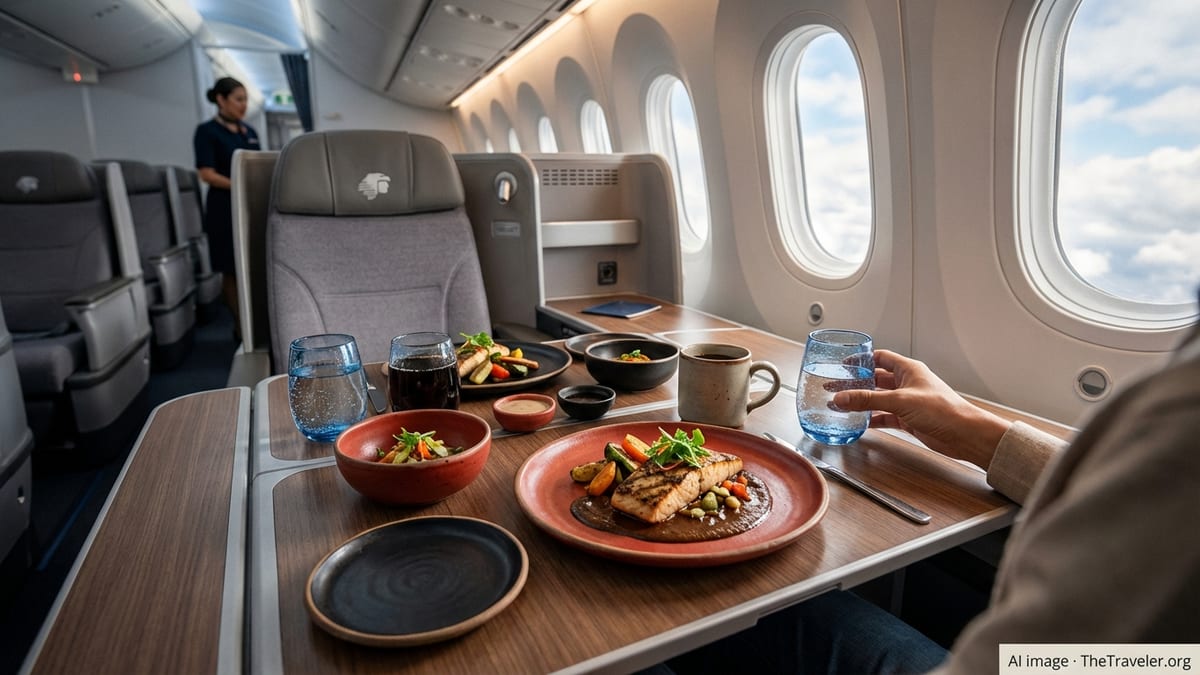
Global Private Dining Programs Go Hyper-Local
Private aviation brands are increasingly positioning food as a core part of the experience, not an afterthought. VistaJet, for example, promotes a “Private Dining” concept that connects its global fleet with more than 7,000 producers, caterers and restaurants worldwide, including Michelin-starred partners, to source tailored meals that travel well at altitude according to company materials and independent coverage.
Reports on VistaJet’s culinary strategy show an emphasis on reworking iconic dishes specifically for the cabin environment, where dry air and lower pressure can dull flavors. The company has released publicly available guides on in-flight gastronomy noting that local and seasonal menus selected according to the departure airport’s food culture tend to yield better taste and texture once served in the sky.
Other large providers are following similar paths, building internal culinary teams that research food cultures, regulations and sourcing conditions around the world. Profiles of NetJets’ catering leadership, for instance, describe extensive travel to assess local partners and ensure menus align with regional tastes while still meeting stringent aviation safety and handling requirements.
This push toward curated, location-aware dining lets operators promise a consistent level of luxury while still highlighting where a journey begins. A flight leaving from Mexico’s Baja Peninsula might feature seafood from nearby waters, while a European departure can lean into regional wines and charcuterie, all framed as part of the private jet experience rather than an add-on.
Smart Catering Platforms Connect Jets With Local Kitchens
Behind the scenes, technology platforms are reshaping how inflight meals are sourced and delivered to private aircraft. New specialist systems such as KryaJet market themselves as operating systems for private aviation catering, offering a single interface where crews and flight departments can search for kitchens by airport, build custom orders, collaborate on quotes and track status in real time.
These tools are designed to replace the long-standing patchwork of emails, messaging apps and legacy vendor lists that crews have relied on to arrange food at unfamiliar locations. Public product information highlights features such as integrated payments and shared timelines, which aim to reduce errors, late deliveries and miscommunications that can undermine the premium feel of a charter flight.
App-based ordering is also entering the market. PlaneCater, listed in major app stores as a food-and-drink category tool for private aviation, allows schedulers and crew to locate catering vendors near specific airports or fixed-base operators, submit highly detailed orders, and consolidate updates in one location. Vendors, in turn, receive structured requests and can manage changes through a dedicated portal.
Industry observers note that these platforms effectively create smart catering networks around each airport, linking jets with local restaurants, specialist caterers and certified kitchens that can execute high-end menus under tight time constraints. The result is a more reliable pathway from city dining scene to cabin table, even at secondary or regional airfields.
From Michelin Partners to Boutique Restaurants on the Tarmac
At the top end of the market, private jet brands are leaning on marquee culinary partnerships to differentiate their services. VistaJet has heavily promoted collaborations with renowned chefs and high-profile restaurant groups, including a longstanding relationship with Nobu, which enables passengers on select routes to order dishes tailored for consumption at cruising altitude.
Beyond signature names, operators are weaving private dining into broader lifestyle offerings. VistaJet’s “Private World” network, described in its own promotional material and independent luxury travel coverage, connects flights with luxury hotels, resorts, yachts and estates where chef-led, often destination-specific meals are part of the itinerary. Champagne-house dinners in France or custom feasts linked to cultural celebrations are framed as extensions of time spent on board.
On the ground, regional catering specialists work with local restaurants to fulfill orders for operators such as NetJets and Wheels Up, according to accounts from aviation and charter communities. These arrangements can range from simple provisioning of popular dishes to more elaborate multi-course menus drawn from high-end urban dining rooms and adapted to aviation standards.
The effect is that a jet parked at a smaller airport may still serve food from a city’s most in-demand kitchen, with preparation and packaging overseen by caterers experienced in air travel. Passengers encounter a restaurant-quality plate shortly after takeoff, even if the nearest major commercial terminal is hours away.
Data, Personalization and Wellness at 45,000 Feet
As catering networks digitize, operators are collecting more structured information about passenger tastes and dietary needs. Private aviation platforms increasingly promote the ability to log preferences, from allergies and religious requirements to favored cuisines and preferred portion sizes, so that future flights can be provisioned with minimal back-and-forth.
VistaJet’s public materials describe menu tools that allow filtering by dietary profile and encourage passengers to leave detailed notes, providing cabin teams with advance insight into how to plate and time dishes. Startups serving the sector similarly emphasize precise order forms that capture special requests, reducing the risk of errors that can be difficult to fix at remote or tightly scheduled departures.
Wellness trends are also influencing what appears on private jet menus. Operator guides on “dining in the sky” stress that hydration, balanced seasoning and ingredient choice can mitigate the dehydrating and fatiguing effects of flight. Lighter, fresher dishes and herbal or low-alcohol beverage pairings are promoted as ways to arrive feeling less tired, especially on long-haul business trips.
All of this supports a shift from generic luxury, where caviar and champagne are default symbols, to a more nuanced concept built around how a specific traveler wants to feel stepping off the aircraft. Catering, once a logistical box to tick, is becoming a data-informed touchpoint for personalization and perceived care.
Operational Challenges Behind the Luxury
Delivering fine dining at scale in private aviation remains complex and expensive. Industry commentary notes that catering prices can appear high to occasional customers, particularly when orders involve bespoke items, small-batch preparation or last-minute changes near departure from a smaller airfield.
Part of the cost reflects regulatory and safety requirements. Food must come from inspected, certified kitchens that understand aviation handling rules, with strict controls on temperature, packaging and time in transit before loading. In remote or highly regulated locations, the limited number of qualifying facilities can constrain menu options or push operators to fly provisions in from larger hubs.
Coordination is equally challenging. Catering teams must align with aircraft movements that can shift quickly due to weather, air traffic or customer schedule changes. Technology platforms that centralize order status, vendor communication and delivery timing are seen by operators as critical tools for maintaining service levels across global networks.
Despite these hurdles, the trend line points toward greater integration of local culinary expertise into private jet travel. As smart catering networks mature and more chefs learn to adapt their food for the cabin, passengers can expect flights to function as movable extensions of the world’s dining rooms, whether they depart from a marquee hub or a remote airstrip.
VistaJet private dining overview
KryaJet private aviation catering platform