


I arrived at The St. Regis New York with my shoulders already a little tense. In my mind, St. Regis meant hushed hallways, rigid dress codes, and a level of formality that bordered on theatrical. What I discovered instead was something far more interesting: a brand that still loves its rituals and heritage, but increasingly wraps them in warmth, ease, and a sense of fun. From Manhattan to Mexico and Bali, St. Regis is quietly rewriting what “formal luxury” feels like in 2026.
Get the latest updates straight to your inbox!
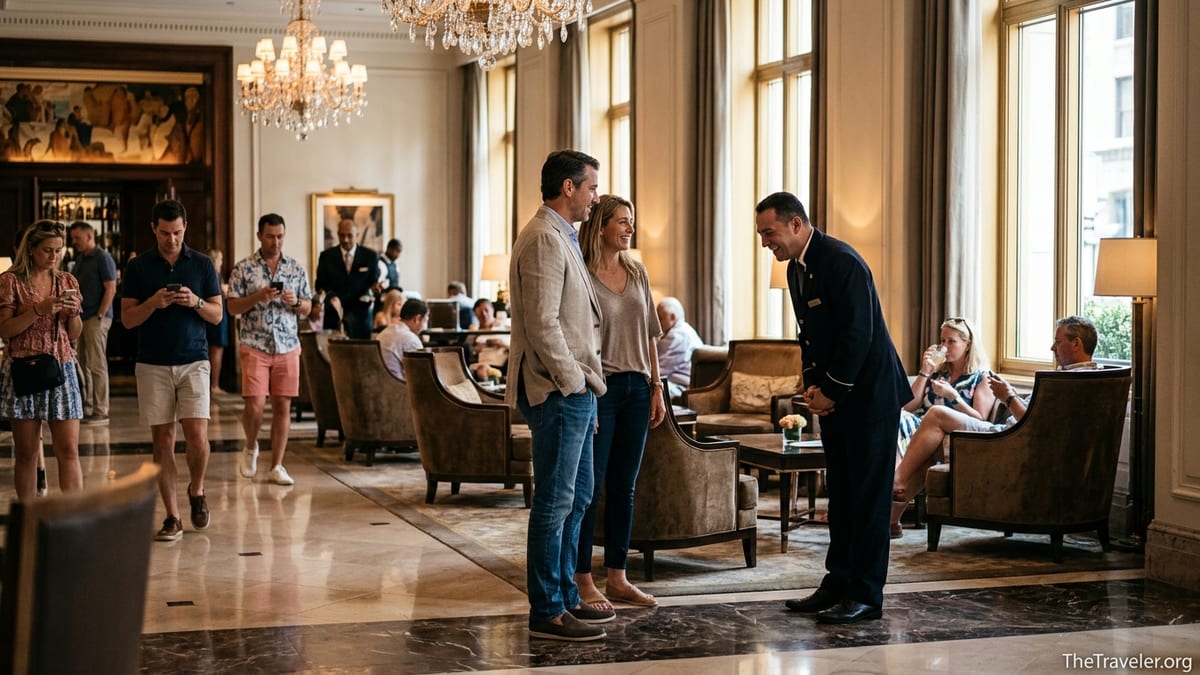
Why St. Regis Has a Reputation for Serious Formality
The St. Regis story begins in New York in 1904, when John Jacob Astor IV opened a hotel that was essentially a Gilded Age townhouse on steroids. The original St. Regis New York was all marble, silk walls, and crystal chandeliers, built at a time when dress codes were taken as seriously as dinner reservations. That DNA still lingers, particularly in the Midtown flagship’s soaring lobby, the Maxfield Parrish mural in the King Cole Bar, and classic touches like afternoon tea and evening Champagne rituals.
Then there is the butler service, perhaps the brand’s most intimidating hallmark. St. Regis promotes its butlers as a “signature” found in every hotel worldwide, with a dedicated Butler Service Desk, in-room garment pressing, and shoe shines. The phrase “whatever, whenever” is not officially theirs, but the expectation of near-telepathic service certainly is. On paper, it reads like the ultimate formal luxury: staff in immaculate uniforms, anticipating your needs before you express them.
For many travelers, especially those arriving at a St. Regis for the first time, those elements combine into a mental image of something a bit stiff. You picture needing a blazer to feel at ease in the bar, whispering in corridors lined with antique portraits, and double-checking which fork to use at dinner. That is exactly the sort of anxiety I felt rolling my suitcase through the revolving doors on East 55th Street.
What I did not expect was how quickly those old-world trappings would soften into something much more human the moment I actually interacted with the people behind them.
The Butler Myth vs. Reality
The first surprise came from my butler. I expected a distant figure who would glide in to pour coffee and then vanish. Instead, my butler introduced himself with the same warmth you might get from a favorite front-desk agent at a boutique hotel. He explained, in practical language rather than marketing script, what he could realistically do: unpack a few items if I wanted, steam a crumpled dress from the flight, bring a cappuccino at the time I usually wake up, and coordinate restaurant bookings so I did not have to juggle apps.
Across the brand, St. Regis butler service has quietly evolved in this direction. The official description still includes romantic touches like handwritten notes, packing help, and bespoke coffee service, but in practice, many butlers now function as laid-back personal concierges who adapt to the guest’s comfort level. At beach properties, such as The St. Regis Bali Resort in Nusa Dua, butlers are just as likely to be delivering sunscreen and iced water to a private cabana as they are to be laying out evening wear in a suite.
This flexibility is crucial. If you want the full Downton Abbey experience, the structure is there. Your shirts will be pressed, your bags whisked out of sight, and your morning tea poured just so. If that level of attention makes you self-conscious, the butler recedes into the background. At newer resorts like St. Regis Kanai in Riviera Maya, guests often interact with butlers via messaging apps as much as face to face, turning what could be a formal ritual into something as casual as texting a friend to say you will be late for dinner.
The net effect is that the fabled St. Regis formality becomes opt-in. You get access to an old-world level of service without the social pressure to perform a part in the script.
From Gilded Age Bar to Easygoing Living Room
Nowhere did my expectations clash with reality more than at the King Cole Bar in New York. On the page, it sounds intimidating: a century-old room tucked off the lobby, presided over by a 30-foot Maxfield Parrish mural commissioned in 1906, and home to the Red Snapper, the gin-based version of the Bloody Mary that the hotel claims as its creation. It ticks every box of the “serious hotel bar” stereotype.
Walk in on a weeknight, though, and the vibe is surprisingly relaxed. Yes, there are tailored suits from nearby offices and the occasional guest in a cocktail dress taking a photo of the mural. But there are also travelers in nice jeans and knit polos, couples sharing sliders at a small table, and solo guests nursing a single cocktail at the bar without anyone hovering to upsell them. Official guidelines might mention “smart” attire, yet in practice the bar has the feel of an elegant neighborhood haunt rather than a velvet-rope lounge.
The details help dissolve the formality. The bartender chats about where you are visiting from, suggests a twist on the classic Bloody Mary if you admit you are not a tomato-juice person, and will happily make you something off-menu. There is no piano demanding reverent silence, just a low hum of conversation and clinking glassware. You could spend 45 minutes sipping a single drink under one of the most storied artworks in New York hospitality and never once feel as though you are being watched or judged.
Other St. Regis properties lean even harder into this “luxury as living room” approach. In Mexico City, the bar and lounge space overlooks Paseo de la Reforma behind floor-to-ceiling windows, and the after-work crowd is a mix of hotel guests and local regulars who treat the property as their unofficial clubhouse. That blend of locals and travelers goes a long way toward puncturing the stereotype of a hotel bar that exists only for people wearing suits and charging everything to a corporate card.
Beachfront St. Regis: Sand Between Your Toes, Not Starch in Your Collar
If the flagship in New York is where you confront your assumptions, the resort properties are where those assumptions fully dissolve. At The St. Regis Bali Resort, the entrance sequence is as dramatic as any palace: grand gates, manicured gardens, and a lobby that frames the Indian Ocean in the distance. Yet the moment you step outside toward the pool and private beach, the emphasis shifts from marble and chandeliers to bare feet, sarongs, and salt-tinged air.
On the resort’s stretch of Nusa Dua shoreline, guests drift between the lagoon-style pool, the calm sea, and shaded loungers without any sense of a dress code beyond “wear something you don’t mind getting wet.” Beach butlers deliver chilled coconuts, adjust umbrellas, and quietly clear away empty glasses. If you choose to have breakfast in your villa’s garden rather than in the main restaurant, your butler will set the table, make sure the coffee is exactly the way you like it, and then retreat, often barefoot on the grass, as if they lived there.
In Mexico’s Riviera Maya, St. Regis Kanai has pushed this idea even further. Opened in 2023 on protected mangrove land north of Playa del Carmen, the resort is designed so that elevated walkways connect semi-circular buildings, giving the sense that everything is floating above jungle and sea. From a distance, the architecture may look otherworldly, but the experience on the ground is disarmingly relaxed. Guests pad along the boardwalks in linen cover-ups, stop at infinity pools that spill visually into the Caribbean, and lounge on a private swath of white sand that feels deliberately under-programmed.
The signature St. Regis rituals still happen here: a sabering of Champagne at sunset, butler-arranged picnics on the beach, and immaculate turndown service. Yet the setting makes them feel playful rather than stiff. You can toast the end of the day in swimwear and bare feet, salt still drying on your skin, as a member of staff whisks off the neck of a bottle with a saber. That mix of theatricality and toes-in-the-sand ease is exactly where the modern St. Regis shines.
Rituals That Feel Personal, Not Performed
Ritual is a word that appears often in St. Regis materials, and it is easy to imagine it translating into a rigid timetable of orchestrated events. In person, the brand’s most beloved rituals tend to feel more like loosely structured traditions that guests can either lean into or ignore. The evening Champagne moment is a good example. At many properties, a sommelier or manager appears at a set time, gives a short introduction about the history of sabrage or the hotel’s founder, then opens a bottle with a saber before offering small pours to whoever is nearby.
At city hotels, such as in New York or Mexico City, this might happen in a lobby lounge, with guests in everything from business attire to sneakers and T-shirts pausing on their way out to dinner. At resorts, the ritual migrates to pool decks and beachfront lawns, often timed to frame the sunset. You never need a ticket or a special outfit; you simply wander past at the right moment and suddenly you are part of the story, glass in hand.
Similarly, the famed Bloody Mary tradition, which began at St. Regis New York and has evolved into local variations at each hotel, is handled with a light touch. Menus highlight the house version, sometimes with regional twists such as mezcal or local spices, but bartenders are quick to customize if you prefer it milder, stronger, or not at all. More than once, I have ordered a completely different drink only to have the bartender offer a complimentary mini-taster of the hotel’s signature Bloody Mary, simply so I could experience the ritual without committing to a full cocktail.
The key is that guests are invited, not compelled, to participate. The stories are there for those who care about heritage and brand lore. For everyone else, the rituals are simply pleasant moments that bookend the day: a complimentary glass, a quick toast, a brief interaction with staff that feels more like a friend sharing a favorite custom than a scripted performance.
Design That Balances Heritage With Comfort
One reason St. Regis can still feel intimidating at first glance is its fondness for classic design cues: coffered ceilings, ornate chandeliers, polished stone floors, and plush drapery. Yet recent renovations and new-build properties reveal a clear shift toward blending those heritage elements with contemporary comfort. In New York, refreshed guest rooms soften the traditional palette with lighter fabrics, more approachable seating, and technology that is integrated discreetly rather than overwhelming you with touchscreen panels.
In Mexico City, the tower that houses the hotel rises above Paseo de la Reforma with a sleek, almost sculptural profile, but inside you find warm woods, textured fabrics, and spaces that are designed for lingering rather than posing. Floor-to-ceiling windows pull in city views and natural light, offsetting any potential stuffiness. Public areas invite mixed use: you might see someone answering emails on a sofa cluster at mid-morning, a trio of friends sharing dessert at the same table after midnight, and families drifting through en route to the pool.
At resort properties, design choices push even further toward ease. St. Regis Bali’s villas open onto private gardens and plunge pools with seamless indoor-outdoor transitions. The architecture frames ocean views and tropical greenery rather than competing with them. At Kanai, furnishings are low-slung and tactile, with natural materials like stone and wood anchoring the futuristic curves of the main buildings. Everywhere, lighting is crucial: warm rather than harsh, bright enough to feel safe but dim enough to encourage relaxation.
The result is that even when you are walking on marble, you rarely feel as if you are in a museum. The spaces are beautiful, yes, but they are also obviously meant to be used: to have sandy flip-flops by the door, half-read books on side tables, and the occasional room-service tray lingering longer than it should.
How to Enjoy St. Regis Without Feeling Out of Place
For travelers who are curious about St. Regis but hesitant about formality, a few practical strategies help ease the transition. First, think “smart casual” rather than “black tie.” In most city properties, you will be perfectly comfortable in well-fitting jeans or chinos, a button-down or neat knit shirt, and clean sneakers or loafers. At resort locations, relaxed resort wear is the norm throughout the day, with light dresses and linen shirts common in the evening. You do not need to pack a blazer unless you personally enjoy dressing up.
Second, use your butler as a guide instead of a distant service figure. If you are unsure about dress norms for a specific restaurant or event, simply ask. Staff are usually candid and practical in their advice, and happy to reassure you that, for example, a sundress and flat sandals are more than fine for sunset cocktails or that a collared shirt will suffice in the bar. They see hundreds of guests pass through every week and understand that not everyone arrives with a trunk full of eveningwear.
Third, lean into the rituals that genuinely appeal to you and skip the ones that do not. If the idea of Champagne sabrage thrills you, make a point of being in the lobby or on the terrace at the right time. If it feels over the top, enjoy a quiet drink elsewhere while it happens. There is no quiz at checkout to see how faithfully you participated in the brand traditions.
Finally, remember that behind the polished surfaces are people who live in the destination and often love it deeply. Ask bartenders where they go for a late bite after work in New York, or which taco stand they recommend on days off near Riviera Maya. Ask a Bali butler which temple ceremony is worth waking up early for. Those conversations are where the formality dissolves completely, and where St. Regis shifts from being a polished stage set to a human, local experience.
The Takeaway
St. Regis has every ingredient to intimidate: a Gilded Age pedigree, gleaming interiors, ritualized Champagne moments, and the famous butler service that suggests a world where nothing is ever out of place. I arrived expecting that formality to feel like a barrier between me and the destinations I wanted to explore. Instead, the brand’s modern reality turned out to be something quietly different: a set of thoughtful luxuries offered with surprising warmth and flexibility.
Whether you are sipping a Bloody Mary under a historic mural in New York, wandering past mangroves on a raised walkway in Riviera Maya, or kicking off your sandals on the sand in Bali, what stands out is not stiffness but ease. The staff adapt to your rhythm, the rituals invite rather than demand participation, and the design encourages you to settle in rather than simply admire. In an era where travelers increasingly value authenticity and comfort over ceremony for its own sake, St. Regis’s greatest surprise may be that it has learned to keep the best of its old-world glamour while feeling remarkably relaxed.
FAQ
Q1. Do I need to dress formally to stay at a St. Regis hotel?
In most St. Regis properties, smart casual attire is perfectly acceptable outside of pool areas, and many guests wear relaxed resort wear in the evenings.
Q2. Is the butler service at St. Regis awkward to use if I am not used to luxury hotels?
Butlers are trained to adapt to each guest, so you can use them for simple tasks like steaming clothes or arranging coffee without feeling any pressure.
Q3. Are St. Regis bars like the King Cole Bar very strict about dress codes?
Guidelines tend to favor neat, smart clothing, but in practice many guests wear business casual or polished jeans and feel completely comfortable.
Q4. Is St. Regis suitable for families, or is it mainly for business travelers and couples?
Many St. Regis properties, especially resorts in places like Bali and Mexico, actively welcome families and offer kids’ clubs, children’s menus, and family-sized rooms.
Q5. Are St. Regis resorts on the beach more relaxed than the city hotels?
Yes, beachfront properties generally have a very easygoing atmosphere, where swimwear, sarongs, and sandals are normal throughout daylight hours.
Q6. Do I have to participate in Champagne sabering or other St. Regis rituals?
No, these rituals are completely optional; you can join when they appeal to you or simply enjoy other spaces while they take place.
Q7. Is tipping expected for butler service at St. Regis?
Tipping customs vary by country, but in many destinations a discretionary tip at the end of your stay is appreciated if you used the butler service regularly.
Q8. Can St. Regis butlers help with things outside the hotel, like restaurant bookings or tours?
Yes, they often work alongside the concierge to secure dining reservations, organize transfers, and arrange local experiences based on your interests.
Q9. Will I feel out of place at St. Regis if it is my first luxury hotel stay?
Most guests find that staff are warm and welcoming, and that the service quickly puts them at ease even if they initially feel nervous about formality.
Q10. How do St. Regis properties differ from other luxury brands in terms of atmosphere?
They tend to blend classic design and rituals with a softer, more residential feel, offering high service levels without overly strict or flashy formality.