


More news on this day
Passengers at Edinburgh Airport faced widespread disruption today as operational issues triggered 232 flight delays and seven cancellations, affecting services to Birmingham, Belfast, Bristol, London, Southampton, Newquay and several other key domestic and European destinations.
Get the latest news straight to your inbox!
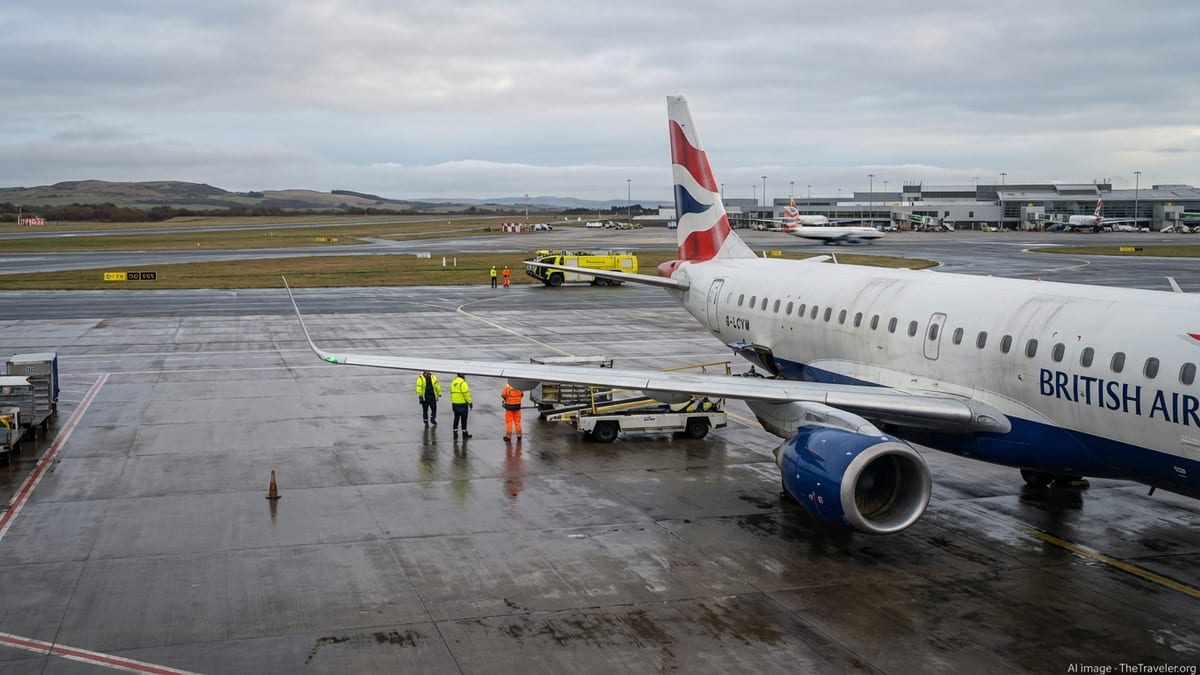
Major Operational Disruption Hits Scotland’s Busiest Airport
Publicly available flight-tracking and airport information for Friday 26 June indicate that Edinburgh Airport experienced an unusually high volume of disruption, with delay and cancellation figures significantly above typical daily levels. While minor schedule changes are common at major UK hubs, the scale of today’s disruption left large numbers of passengers facing missed connections, rebookings and extended waits in departure lounges.
Services on some of the airport’s busiest domestic routes, including links to Birmingham, Belfast, Bristol, London, Southampton and Newquay, were among those affected. Flights on popular leisure and business corridors to continental Europe also experienced rolling delays, compounding the knock-on effect across the day’s schedule.
The disruption came during the busy summer travel period, when aircraft and crews are heavily utilised and even modest schedule changes can cascade quickly through the network. Industry data and previous seasons show that Edinburgh typically has a relatively strong on time performance compared with many UK peers, which underlines how unusual today’s figures are.
Published aviation performance reports for recent years describe Edinburgh as an airport where roughly three quarters of departing flights are usually on time across a full year, suggesting that the scale of today’s disruption is far beyond normal operational variance.
Passengers to Key UK Cities Bear the Brunt
Domestic routes were particularly exposed, with services between Edinburgh and major English and Northern Irish cities experiencing a mixture of long delays and targeted cancellations. Connections with Birmingham and Bristol, which are widely used by business travellers and weekend visitors, saw multiple services pushed back from their scheduled departure times, forcing many passengers to wait hours longer than planned.
Travel to and from Belfast was also significantly affected, including both international and city airports in Northern Ireland. Delays on eastbound and westbound flights disrupted same day returns and onward connections, with some services retimed into later afternoon and evening slots. For travellers relying on tight itineraries, such changes can require last minute hotel stays or complete reworking of travel plans.
Routes linking Edinburgh with London area airports also faced pressure, adding strain to one of the UK’s most heavily trafficked domestic corridors. Delayed departures to the capital have a particular impact on connecting passengers using London as a hub for onward long haul flights, especially when minimum connection times are already tight.
Further south, links to Southampton and Newquay experienced disruption that will likely have been felt strongly by leisure travellers and those heading for cruises or coastal holidays. With many of these routes operating at limited frequencies, a single cancellation or lengthy delay can remove the possibility of same day alternatives.
Multiple Airlines Caught in the Disruption
The disruption was spread across several major carriers operating from Edinburgh, illustrating how tightly interlinked modern airline schedules are. British Airways, which runs frequent services to London and other UK and European destinations, saw rotations adjusted and departure times pushed back on a number of flights.
Low cost operators including Ryanair and easyJet were also heavily affected. These airlines typically operate aircraft on dense daily rotations, meaning that a delay early in the day can propagate across successive flights and multiple airports. Publicly available tracker data for several individual services showed revised departure and arrival times, with some flights retimed by an hour or more.
Regional and franchise operators were not immune either. Services marketed under brands such as Emerald Airlines and other regional partners, which provide key links to smaller UK and Irish airports, experienced schedule changes that added complexity for travellers relying on onward trains, ferries or connecting flights at the other end of their journey.
Operational research on previous disruption events at UK airports indicates that when several airlines are affected simultaneously, capacity to rebook passengers can quickly become constrained, particularly at peak travel times. With Edinburgh handling millions of passengers a year on a mix of leisure and corporate traffic, seats on alternative flights can sell out rapidly once disruption escalates.
Knock-on Effects for Summer Travel and Passenger Rights
Today’s events highlight the fragility of tightly timed summer schedules in the UK and Europe. During the busiest holiday weeks, aircraft operate close to maximum utilisation and airports function near capacity. When irregular operations occur, whether from staffing shortages, technical issues, weather patterns or air traffic constraints, there is limited slack in the system to absorb disruption.
Consumer advocates and air travel specialists frequently point to the importance of understanding passenger rights under UK and European regulations when large numbers of flights are delayed or cancelled. Depending on the cause and duration of the disruption and the airline involved, travellers on affected Edinburgh services may be entitled to care such as meals and accommodation, as well as potential financial compensation on qualifying flights.
Travel industry advice commonly encourages passengers to retain boarding passes, booking confirmations and any written communication received about delays or cancellations, as this documentation can be important when submitting claims. For those with complex itineraries, it can also be crucial to record the exact timings of missed connections and any additional costs incurred in reaching the final destination.
Analysts note that repeated episodes of heavy disruption at major airports can influence traveller behaviour over time, pushing some passengers to build in longer connection times, purchase flexible tickets or consider alternative transport options on shorter domestic routes.
Planning Ahead for Upcoming Departures from Edinburgh
For passengers due to travel through Edinburgh in the coming days, published guidance from travel operators and previous disruption events suggest several practical steps to reduce the risk of severe inconvenience. Checking flight status frequently on the day of travel, signing up for airline notifications and arriving at the airport with extra time can all provide a margin of safety should schedules shift again.
Those with critical connections, such as cruises, events or long haul departures from another hub, may wish to consider earlier flights than strictly necessary, so that a delay on the first leg does not automatically lead to a missed onward journey. Where possible, booking on a single ticket rather than separate point to point segments can also give passengers stronger protection if they are delayed.
Travel insurers often advise reviewing policy terms before departure to understand what is covered in the event of disruption. Some policies include additional benefits for extended delays, such as reimbursement of meals, transport or overnight accommodation, which can mitigate some of the financial impact.
While today’s spike in delays and cancellations at Edinburgh Airport stands out against the airport’s generally solid annual punctuality figures, it serves as a reminder that even well run hubs can experience significant stress during peak periods. For many travellers, a combination of preparation, flexible planning and awareness of rights remains the best defence against the next day of unexpected disruption.