


The Standard Chartered Cathay Mastercard has become one of Hong Kong’s most talked‑about air‑miles credit cards, thanks to its tight integration with Cathay’s Asia Miles program and a promise of “swipe and earn miles automatically.” For frequent flyers in and around Asia, understanding exactly how this card converts your day‑to‑day spending into flights, upgrades, and lounge access can be the difference between a cramped economy seat and a flat bed on a long‑haul route. This guide explains in practical terms how the card works for Asia Miles and flight rewards, and walks through concrete examples that typical travelers can relate to.
Get the latest updates straight to your inbox!
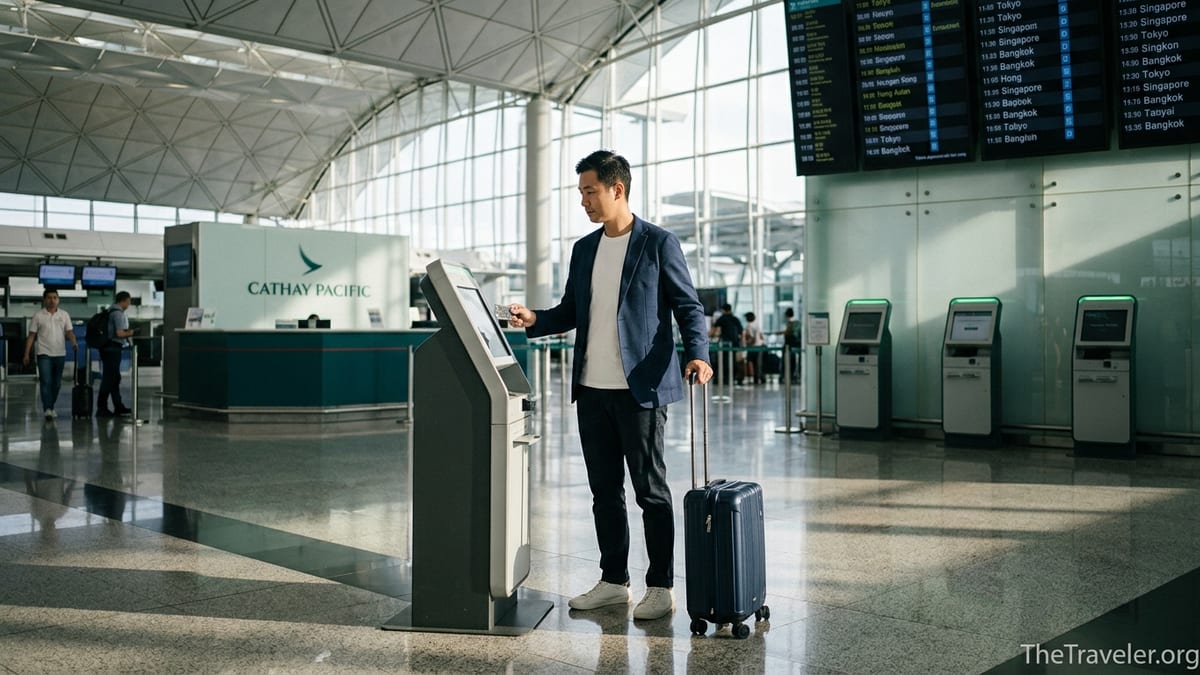
What Makes the Standard Chartered Cathay Mastercard Different
The Standard Chartered Cathay Mastercard is a co‑branded credit card issued in Hong Kong that is directly linked to your Cathay membership account. Unlike many bank cards that earn generic reward points, this card earns Asia Miles directly, so there is no separate conversion step or transfer fee. Once your Cathay account is correctly linked, miles are periodically swept from your card activity into your Cathay balance, ready to be redeemed for flights or other awards.
In practical terms, that means a coffee in Central, an online shopping splurge, or a hotel night in Bangkok can all feed straight into your next Cathay or HK Express redemption. Cardholders do not need to log in to a bank rewards portal to convert points, and they avoid the risk of forgetting to transfer points before they expire. For busy professionals in Hong Kong or cross‑border commuters to Shenzhen and Guangzhou, the simplicity of “spend, then redeem” is one of the card’s main attractions.
The Standard Chartered Cathay portfolio actually includes several tiers, including the core Cathay Mastercard and enhanced Priority Banking and Priority Private versions with faster earn rates and more travel perks. The mechanics of how Asia Miles are earned and credited are broadly similar across versions, but the earn rates and extras such as lounge access and Cathay status offers can differ significantly, which matters if you fly multiple times a year.
Because this is a Hong Kong‑market product, eligibility typically requires a Hong Kong ID and meeting Standard Chartered’s income or asset criteria. For expatriates based in Hong Kong or frequent travelers who treat the city as a regional hub, the card can become a central tool for channeling as much everyday spending as possible into Asia Miles.
How Asia Miles Earning Rates Actually Work
The core of the card’s value is its category‑based earning structure. For the regular Standard Chartered Cathay Mastercard, spending directly with Cathay Pacific or HK Express usually earns at the most favorable rate, followed by dining, online, and overseas transactions, with everyday local spending in Hong Kong dollars earning at a slightly slower pace. Publicly available materials indicate that Cathay and HK Express spending can earn Asia Miles at a rate around HKD3 per mile, while dining, online, and overseas transactions often sit near HKD4 per mile, and other local spending closer to HKD6 per mile, though promotions and card tier can improve this.
To bring that to life, imagine a Hong Kong‑based consultant who spends HKD8,000 on a Cathay ticket from Hong Kong to Tokyo, HKD5,000 on dining in Hong Kong and abroad over a month, and HKD10,000 on general local spending. The airline ticket might generate roughly 2,600 to 2,700 Asia Miles, dining and overseas spending around 1,200 miles, and local spending another 1,600 to 1,800 miles, for a monthly total in the neighborhood of 5,500 miles. Over a year of similar spending patterns, that could mean more than 60,000 Asia Miles before any welcome bonuses or campaigns are added.
For Priority Banking and Priority Private cardholders, accelerated earn rates on overseas spending can make a noticeable difference. For example, some official Cathay materials describe overseas spending rates as favorable as HKD3 per mile for Priority Banking and HKD2 per mile for Priority Private cardholders. For someone who frequently pays for hotels in Singapore, dining in Seoul, or shopping in Osaka in local currency, those enhanced earn rates can substantially shorten the path to a long‑haul business‑class redemption.
One subtle advantage of the co‑brand structure is that Asia Miles from your card count just like miles earned from flying or hotel partners, and they pool in the same account. If you take two or three revenue flights per year on Cathay and then add regular card spending, you may see your miles balance grow at a pace that surprises you, particularly if you focus spending in the bonus categories of airline tickets, dining, and overseas purchases.
From Everyday Spending to Real Flight Rewards
Earning miles is only half the story. What matters to most travelers is what those miles can actually buy. Cathay uses a region‑based award chart with distance bands, and while pricing can vary slightly based on route and demand, certain redemptions stand out as sweet spots. For example, one‑way economy flights from Hong Kong to Taipei or Manila can sometimes price from around 10,000 to 12,000 Asia Miles plus taxes and surcharges, while business class on regional routes such as Hong Kong to Bangkok may start in the mid‑20,000s of miles one‑way.
Consider a Hong Kong resident who channels most of their discretionary spending through the Standard Chartered Cathay Mastercard. If that person earns about 30,000 to 40,000 Asia Miles a year through card spend alone and adds another 10,000 to 15,000 miles from one or two paid Cathay flights, they may have 45,000 to 55,000 miles available annually. That balance is enough for two or three short‑haul economy redemptions to cities like Taipei, Shanghai, or Hanoi, or a single business‑class redemption on a regional route such as Hong Kong to Tokyo, depending on availability and the exact distance band.
On longer‑haul routes, redemptions become even more aspirational. Many travelers aim for business‑class seats from Hong Kong to London, Sydney, or Vancouver, which can require in the low‑six‑figure range of Asia Miles for a round trip in business class. While that might sound daunting, a combination of a strong welcome bonus, ongoing card spend, and occasional mileage promotions can make such trips realistic over a couple of years. For example, a new cardholder who earns a welcome bonus in the tens of thousands of miles, continues to put HKD20,000 to HKD30,000 per month on the card, and flies Cathay once or twice a year might accumulate 100,000 to 150,000 miles in roughly 18 to 24 months.
Asia Miles are flexible beyond pure flights. Cardholders can redeem miles for upgrades from economy to premium economy or business class when they pay for a cash ticket, which is particularly attractive on popular regional business routes such as Hong Kong to Singapore. Miles can also be used for hotel stays, car rentals, and experiences through Cathay’s own redemption platform. Many Standard Chartered Cathay cardholders use these options occasionally, but the highest value per mile is often still found in premium cabin flight redemptions on Cathay and its oneworld partners.
Automatic Transfer, Status Points, and Other Hidden Benefits
One of the key conveniences of the Standard Chartered Cathay Mastercard is that Asia Miles earned from card spending post directly to your Cathay account, usually on a monthly cycle, without any manual intervention. Travelers do not need to keep track of bank reward points or initiate a transfer request. For frequent flyers who manage multiple loyalty programs, reducing that administrative friction can be worth as much as the miles themselves.
The card has also been featured in various Cathay campaigns that reward cardholders with Status Points in addition to Asia Miles. Status Points are separate from spendable miles and count toward elite status tiers in the Cathay program, such as Silver, Gold, and Diamond. During certain promotions, eligible spending with the Standard Chartered Cathay Mastercard can earn Status Points that bring members closer to lounge access, extra baggage, and priority services usually associated with higher status levels. For example, some past offers have allowed cardholders to earn up to around 100 Status Points through spending thresholds, enough to meaningfully shorten the path to Cathay Silver for a frequent regional traveler.
Beyond pure earning, Standard Chartered Cathay cardholders can enjoy Cathay‑branded perks, such as discounts on Asia Miles mileage renewal, transfer, and gift transactions. For instance, promotional materials have cited a 10 percent discount on fees for renewing expiring miles or transferring miles to family members when payment is made with the card. For members who sit on substantial balances or who share miles within a household, this discount can lead to real savings over time, especially if they periodically top up balances for a specific redemption like a family trip to Japan.
Higher‑tier versions of the card, particularly the Priority Private variant, offer additional Cathay perks, including complimentary Cathay Pacific business‑class lounge access a limited number of times per year and priority check‑in privileges. A Priority Private cardholder, for example, may receive several lounge visits annually that can be used at Cathay’s lounges in Hong Kong International Airport and certain overseas stations, sometimes with the option to bring a guest. These benefits effectively extend some of the comfort of elite status to cardholders even if they have not yet flown enough to qualify on Status Points alone.
Planning a Redemption: Real‑World Trip Scenarios
To understand how the Standard Chartered Cathay Mastercard can reshape a travel budget, it helps to walk through a concrete example. Take a Hong Kong‑based couple planning two regional trips and one longer holiday over a 12‑month period: a weekend in Taipei, a business‑plus‑leisure trip to Singapore, and a longer holiday to Tokyo during cherry blossom season. Between the two of them, they put around HKD35,000 a month of combined dining, online shopping, local spending, and occasional overseas hotel bills on the card, with at least one Cathay flight per quarter paid on the co‑brand card.
Over the course of a year, their total card spending might reach HKD400,000 to HKD450,000, with a meaningful portion in bonus categories like Cathay tickets, dining, and overseas transactions. At typical earn rates, that could translate to something like 70,000 to 90,000 Asia Miles, excluding any welcome or seasonal bonuses. If one of them picked up the card during a campaign offering a welcome bonus near 30,000 to 60,000 miles for meeting a minimum‑spend requirement, their joint Asia Miles balance could easily exceed 120,000 to 140,000 miles.
With that amount of miles, they could reasonably aim to book two round‑trip economy redemptions from Hong Kong to Taipei for a weekend getaway, two one‑way or round‑trip business‑class segments on regional routes such as Hong Kong to Singapore, or save for a pair of business‑class tickets to Tokyo, depending on the exact award prices at the time they book. In many cases, the taxes and surcharges on award tickets are relatively modest compared with the cash price of a business‑class seat, so the real savings may run into the equivalent of several thousand Hong Kong dollars per trip.
Another scenario involves a solo business traveler who flies regularly between Hong Kong and London on paid tickets booked in economy or premium economy, often reimbursed by their employer. By putting those tickets on the Standard Chartered Cathay Mastercard, they not only earn Asia Miles and Status Points from flying but also extra Asia Miles from the card itself at the enhanced airline‑spend rate. Over a couple of years, the combination of reimbursed work travel and personal card spending could produce enough Asia Miles for an indulgent personal holiday in business class to Europe or North America, effectively turning work trips into a means of funding leisure travel.
Common Pitfalls and How to Avoid Them
Despite its strengths, the Standard Chartered Cathay Mastercard is not a magic solution, and cardholders need to be aware of potential pitfalls. The first is assuming that all spending earns at the highest advertised rate. In reality, only certain categories such as Cathay and HK Express purchases, dining, online, or overseas spending qualify for the faster earn tiers, while other local spending earns more slowly. If you routinely spend large amounts at local supermarkets, utility providers, or tax payments that fall outside the bonus categories, your effective miles‑per‑dollar rate may be lower than you expect.
Another common trap is ignoring annual fees and interest charges. While promotions sometimes offer a fee waiver for the first year or partial waivers in subsequent years, the Standard Chartered Cathay Mastercard generally carries an annual fee. If you revolve a balance and incur interest at typical Hong Kong credit card rates, any value you gain from Asia Miles can be rapidly offset by finance charges. The card makes the most sense for disciplined users who pay their statement in full each month and who place a tangible value on premium flights or upgrades.
Cardholders should also be cautious about availability and surcharges on award tickets. As with all frequent flyer programs, the most attractive redemptions, such as business‑class seats to Europe during peak holiday periods, may require flexible dates or advance planning. Taxes, airport fees, and carrier surcharges still apply on most Asia Miles redemptions, and while they are often reasonable when compared with full cash fares, they can still amount to several hundred Hong Kong dollars or more on long‑haul itineraries. Comparing the cash price with the miles required, ideally using a rough “value per mile” target, can help ensure you are not spending miles inefficiently.
Finally, potential applicants should remember that card features, welcome offers, and earn rates are subject to change. Promotional campaigns may increase earn rates temporarily or offer extra Asia Miles for specific types of spending, such as online travel bookings or hotel stays. Regularly checking the official Standard Chartered Hong Kong and Cathay channels before large purchases or during major sale periods, such as around Lunar New Year or summer travel seasons, can help you time your spending to coincide with the richest offers.
The Takeaway
The Standard Chartered Cathay Mastercard is designed for travelers who see Hong Kong and Asia as their primary playground and who value Asia Miles as their main travel currency. By tying everyday spending directly to Cathay’s loyalty ecosystem, the card strips away many of the frictions that come with traditional bank reward programs and turns routine purchases into a steady stream of miles.
Used thoughtfully, the card can fund regular short‑haul escapes to destinations like Taipei, Bangkok, or Seoul, and with patience and planning, help unlock aspirational long‑haul business‑class redemptions to Europe, North America, or Australia. Its strongest features include category‑based earn rates that favor airline, dining, and overseas spending, automatic mileage transfers, access to Cathay‑specific discounts and perks, and, at higher tiers, lounge access and status‑like benefits.
At the same time, the card works best for travelers who can pay their balance in full, understand which spending categories earn the most, and are willing to monitor promotions and redemption opportunities. When combined with strategic flight bookings and a clear redemption goal, the Standard Chartered Cathay Mastercard can be a powerful engine for turning every Hong Kong dollar spent into a more comfortable seat and more memorable trips.
FAQ
Q1. How do Asia Miles from the Standard Chartered Cathay Mastercard get credited to my account?
Asia Miles earned from eligible card spending are usually calculated monthly and then automatically transferred to your linked Cathay membership account, without any manual conversion step.
Q2. What kind of spending earns Asia Miles at the highest rate on this card?
Spending directly with Cathay Pacific and HK Express, such as flight tickets and in‑flight purchases, typically earns miles at the most favorable rate, followed by dining, online, and overseas transactions.
Q3. Can I use the miles earned from this card for airlines other than Cathay Pacific?
Yes. Asia Miles can be redeemed not only for Cathay Pacific and HK Express flights but also for tickets on partner airlines in the oneworld alliance and other partner carriers, subject to availability.
Q4. How many Asia Miles do I realistically need for a short‑haul redemption from Hong Kong?
For short‑haul routes such as Hong Kong to Taipei or Manila, one‑way economy redemptions often start around the low‑to‑mid‑five‑figure range in miles, plus applicable taxes and surcharges.
Q5. Does the Standard Chartered Cathay Mastercard help me earn Cathay elite status?
From time to time, Cathay and Standard Chartered run campaigns where eligible card spending can earn Status Points in addition to Asia Miles, which can help you progress toward tiers such as Silver or Gold.
Q6. Are there special benefits for Priority Banking or Priority Private versions of the card?
Yes. Higher‑tier cards often feature accelerated earn rates, especially on overseas spending, and may include perks such as complimentary Cathay Pacific business‑class lounge access and premium check‑in privileges.
Q7. Do Asia Miles earned with the card expire?
Asia Miles are governed by Cathay’s expiry rules, not by the bank. While Cathay has made its miles validity more flexible over time, you should always check the current policy in your Cathay account and manage your balance accordingly.
Q8. Is this card worthwhile if most of my spending is local and not on travel?
If most of your spending is local in categories that earn at the base rate, the card can still be useful, but the miles will accumulate more slowly. It becomes most powerful when you have regular travel, dining, and overseas purchases.
Q9. Can I share or pool Asia Miles earned from my Standard Chartered Cathay Mastercard with family members?
Your miles are deposited into your individual Cathay account, but Cathay allows tools such as redemption groups and paid mileage transfers, so you can effectively use your miles for family members, subject to fees and rules.
Q10. What should I watch out for before applying for the Standard Chartered Cathay Mastercard?
You should review the current annual fee, welcome offer conditions, earn rates by category, and any minimum income requirements, and ensure you can pay your balance in full to avoid interest charges that would negate the value of the miles.