


New Brunswick rewards travelers who are willing to slow down, talk to locals, and wander beyond the postcard views. The province’s strongest experiences are not only its Fundy tides and forested drives, but its Saturday markets, seaside lobster suppers, artist-run galleries, Indigenous food events, and intimate festivals where you quickly feel more like a guest than a tourist. This guide focuses on how to explore New Brunswick through food, arts, and local encounters, with practical examples you can plug directly into an itinerary.
Get the latest updates straight to your inbox!
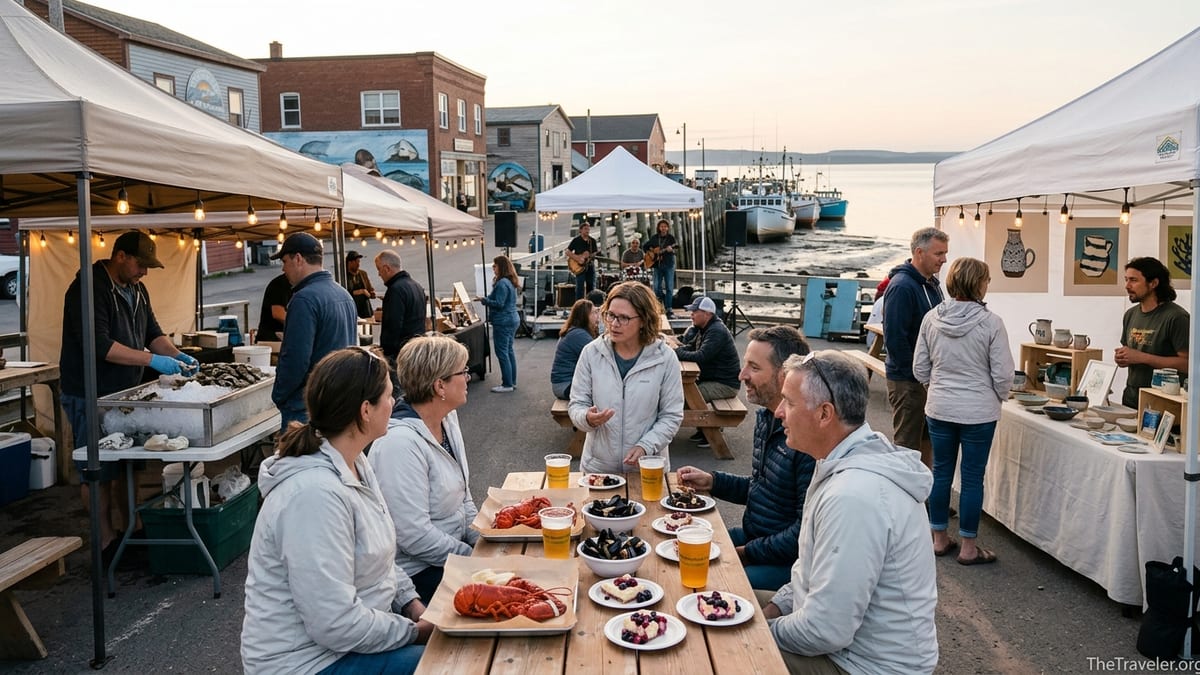
Getting Oriented: Where New Brunswick Culture Comes Alive
Think of New Brunswick as a triangle of experiences anchored by three urban centers: Saint John on the Bay of Fundy, Moncton–Dieppe near the Acadian coast, and Fredericton along the Saint John River. Saint John layers industrial history with an emerging restaurant and gallery scene in its compact uptown core. Moncton–Dieppe is a gateway to Parlee Beach, Shediac, and Acadian communities where lobster and French-English culture mix easily. Fredericton feels more like a leafy university town, dense with festivals, public art, and craft beer.
Outside these hubs, coastal villages like Alma and St. Martins pair rugged Fundy scenery with small seafood spots, while inland you will find farm stands, maple camps in late winter, and historic villages where costumed interpreters still bake bread in wood-fired ovens. Distances are manageable: driving Saint John to Moncton takes about two hours, and Moncton to Fredericton around 90 minutes, so you can base in one city and fan out for day trips that combine food, arts, and nature.
To really connect with local life, time your visit around markets and festivals. In summer and early fall, nearly every weekend features a night market, music festival, or food event somewhere in the province. Shoulder seasons are quieter, but that is when you will have more time to talk to farmers, chefs, and artists, often over a coffee or craft beer.
Markets & Food Halls: Meeting New Brunswick on a Saturday Morning
If you do only one thing to experience local food culture, make it a Saturday market. New Brunswick’s markets are community institutions where you can taste farm produce, Acadian specialties, and global flavors in a single lap, often for less than the cost of a restaurant brunch.
In Fredericton, the Boyce Farmers Market operates every Saturday morning and regularly hosts over 200 stalls of local meats, vegetables, maple products, baked goods, and ethnic foods, along with crafts and flowers. Expect vendors selling breakfast sandwiches on homemade biscuits, samosas and curries from newcomer-run stalls, jars of dulse and chow chow, and tables loaded with fiddleheads in spring. A hearty breakfast with coffee usually runs in the range of 15 to 20 Canadian dollars per person, depending on your appetite.
Saint John’s City Market is Canada’s oldest continuing farmers market and a landmark in its own right, with a roof shaped like an inverted ship’s hull. Inside, you will find fishmongers shucking local oysters, counters selling smoked salmon and chowder, bakeries offering molasses cookies and oatcakes, and small restaurants serving everything from donair to pho. Grab a paper cup of seafood chowder and a roll for a casual lunch, then walk a few blocks to uptown galleries for an arts fix.
In Moncton and neighboring Dieppe, the downtown markets are known for their energetic mix of Acadian, Francophone, and international vendors. Travelers often build their Saturday around coffee, a crêpe or poutine at the market, and a stroll through nearby boutiques and murals. In summer, look for outdoor seating where you can watch local families do their weekly shop alongside students and visitors.
Seafood & Coastal Flavors: Lobster, Fundy Tides and Indigenous-Inspired Dining
No New Brunswick trip focused on food is complete without seafood. Lobster, scallops, and cold-water fish feature on menus across the province, but coastal towns offer the most atmospheric experiences, from lobster rolls at a picnic table to festival tasting menus under a tent by the beach.
The Shediac Lobster Festival, one of New Brunswick’s longest-running events, returns in early July each year with nearly ten days of lobster-focused meals, live Acadian music, and family activities. Recent editions have included a signature evening called The Succulent, a five-course Wabanaki and Acadian fusion dinner created by some of the province’s top chefs, served in a coastal setting near Parlee Beach. It is the sort of event where you might start with smoked eel or foraged greens and end with a lobster-centered main course paired with New Brunswick wine or cider.
Along the Bay of Fundy, the villages of Alma and St. Martins give you a different angle on seafood. In Alma, you can watch lobster boats in the harbor at low tide, then walk to a dockside shack for a simple lobster roll or fried clams. Pair this with a hike in Fundy National Park or a visit to a small craft brewery housed in a converted church. In St. Martins, restaurants near the sea caves serve chowder, scallops, and fresh fish, often with views of the dramatic tide changes.
For a deeper cultural connection, look for Indigenous-led food experiences. Special events like the Wabanaki-influenced dinners at Shediac’s festival, or community meals advertised through regional tourism boards, often feature ingredients such as smoked fish, wild berries, game, and maple, prepared with stories about Wabanaki history and land stewardship. These are not everyday restaurant offerings, so check dates carefully and reserve early.
Urban Arts, Breweries and Night Markets
New Brunswick’s cities are compact enough to explore on foot, and that scale makes it easy to combine galleries, public art, live music, and craft beer in one day. Fredericton, in particular, has leaned into its arts identity, backed by municipal arts and heritage funding that supports festivals, galleries, and public installations. You will see evidence of this in murals, sculpture, and artist-run spaces throughout the downtown core.
In summer, Fredericton’s Garrison Night Market transforms a historic riverside area into an evening street market with local artisans, food trucks, global street food, and live music. The vendor lineup changes week to week, but you might find hand-printed textiles, Mi’kmaq beadwork, small-batch hot sauces, and gourmet doughnuts beside stalls selling pad thai or shawarma. It is an easy place to graze your way through dinner for around 20 to 30 dollars, depending on how many dishes you sample.
Craft beer is another thread that ties food and arts together. Fredericton’s taproom trail connects several breweries and cideries, including long-established names and newer operations that host art shows, trivia nights, and concerts. In Saint John, Canada’s oldest independent brewery, Moosehead, represents a historic anchor, while smaller downtown breweries and taprooms pour modern IPAs, saisons, and sours. Many serve food that pulls from local ingredients, such as mussels steamed in beer or burgers topped with maple bacon.
Moncton and Dieppe lean into murals, performance venues, and event-driven experiences. Visitor guides for the region highlight suggested cultural itineraries that weave together a spa visit, gallery stops, and local food and drink. Depending on the night, you might stumble onto a Francophone comedy show, an Acadian music performance, or an indie band in a downtown bar, with admission often in the 10 to 30 dollar range.
Small‑Scale Arts & Alternative Markets
Beyond major galleries and institutions, New Brunswick has a thriving scene of small markets and pop-up events where you can meet artists and makers directly. These are prime opportunities to pick up ceramics, textiles, jewelry, and prints that are easy to pack and carry home, while also hearing the stories behind them.
Fredericton frequently hosts curated markets that mix art, vintage finds, and curiosities. Events like the Retro Rodeo at Charlotte Street Arts Centre or the Esoterica Market bring together dozens of vendors specializing in everything from handmade clothing and original paintings to taxidermy and metaphysical goods. There is often a modest entry fee or a suggested donation, and prices for items span from under 20 dollars for prints or pins to several hundred for one-of-a-kind artworks.
During the fall and early winter, holiday markets set up in community centers and campus facilities, showcasing local crafts, baked goods, and seasonal décor. A Holly Jolly-style holiday market at a university venue might feature student printmakers, alumni ceramicists, and neighborhood bakers sharing tables in a festive atmosphere. Visiting one of these markets is an efficient way to see the range of local creativity in an afternoon.
In Saint John and Moncton, keep an eye out for arts festivals that include vendor markets as part of their programming. Music and tattoo festivals sometimes feature artisan alleys where you can browse handmade leatherwork, custom prints, and locally made skincare between sets. Check regional event calendars a month or two ahead of your trip and look for words like “market,” “bazaar,” or “pop-up” in the listings.
Hands‑On Experiences: From Historic Villages to Food Workshops
To move beyond observing and into participating, seek out experiences where you can roll dough, stir a pot, or pick up a craft technique. New Brunswick’s historic villages, cultural centers, and small businesses increasingly offer workshops and interactive tours aimed at visitors who want to learn, not just look.
In the greater Fredericton area, a living history village set along the Saint John River welcomes guests into period homes and workshops. Costumed interpreters demonstrate open-hearth cooking, bread baking, and traditional crafts like blacksmithing and weaving. Some days, visitors can help with tasks such as churning butter or tending a kitchen garden, then taste the results. Plan to spend at least half a day, and budget for both admission and a hearty lunch featuring simple, locally inspired dishes.
Elsewhere in the province, watch for short cooking classes run by restaurants or community kitchens, particularly during food festivals. For example, a seafood restaurant in a coastal town might host an afternoon session on how to crack and eat a lobster, complete with bibs and step-by-step guidance, followed by a communal meal. Bakeries sometimes offer seasonal workshops in maple desserts or Acadian-style meat pies, especially in the cooler months when locals are looking for indoor activities.
If you are interested in visual arts, look for drop-in pottery sessions, sip-and-paint evenings, or printmaking workshops advertised at arts centers and galleries. Cities like Fredericton and Saint John have multipurpose arts spaces that run short classes suitable for travelers, often requiring only a couple of hours and a modest materials fee.
Planning Your Route and Budget
Most cultural and culinary experiences in New Brunswick are accessible on a moderate budget, especially if you mix restaurant meals with market breakfasts and picnic lunches. A realistic daily food budget for a traveler who enjoys eating well but not extravagantly might be 60 to 90 Canadian dollars per person, depending on how often you opt for seafood or wine and how much you self-cater from markets.
Accommodation prices fluctuate with season and location. In summer, expect higher rates in coastal hubs like Alma, Shediac, and Saint Andrews, especially on weekends. City hotels in Fredericton, Moncton, and Saint John may offer better value outside of major festival weeks. If you are renting a car, factor in parking fees in downtown areas and the cost of fuel for side trips to beaches, national parks, and villages.
To structure a week-long trip centered on food and arts, consider a loop: arrive in Moncton–Dieppe, spend a day at the markets and Acadian eateries, then head to Shediac and Parlee Beach for lobster and coastal walks. Continue to Alma and Fundy National Park for hiking and seafood, then on to Saint John for uptown galleries and the City Market. Finish in Fredericton with its taproom trail, Garrison Night Market, and arts venues before returning to your starting point. Along the way, leave unscheduled blocks of time to follow local recommendations or detour for an intriguing roadside sign advertising a farm stand or community supper.
Seasonality matters. Late spring through early fall is prime time for markets, outdoor festivals, and beach visits. Winter brings quieter streets but richer opportunities for indoor arts events, cozy pub nights, and maple season experiences in late winter. When planning, always verify current event dates and hours, as schedules can change from year to year.
The Takeaway
Exploring New Brunswick through food, arts, and local experiences is less about ticking off a must-see list and more about weaving together small encounters: a conversation with a mushroom grower at a Saturday market, an evening listening to a local band at a brewery, a hands-on cooking demo at a festival, or a quiet moment in a regional art gallery.
By anchoring your trip in the province’s markets, coastal seafood spots, city arts districts, and hands-on workshops, you will come away with a sense of how New Brunswickers live, create, and eat today. Pack your curiosity, leave room in your schedule for serendipity, and be ready to say yes when someone suggests a detour to a night market, a pop-up show, or a community feast you did not even know existed when you booked your flight.
FAQ
Q1. When is the best time of year to visit New Brunswick for food and arts experiences?
The richest combination of markets, festivals, and outdoor events typically runs from late May through early October, with July and August especially busy along the coast. Winter and early spring are quieter but offer more intimate arts events and, in late winter, maple-themed experiences.
Q2. Do I need to rent a car to explore New Brunswick’s food and arts scene?
A car gives you the most flexibility, especially for reaching coastal villages, national parks, and smaller markets. Within city centers like Saint John, Moncton, Dieppe, and Fredericton, you can often walk between markets, galleries, and restaurants, but intercity public transport is limited compared to larger provinces.
Q3. How expensive is it to eat well in New Brunswick?
Prices are generally moderate by Canadian standards. A market breakfast with coffee might be 15 to 20 dollars, while a seafood dinner with a drink can range from 30 to 60 dollars depending on the venue and what you order. Mixing market meals with occasional restaurant splurges helps keep costs balanced.
Q4. Are there good vegetarian or vegan options in a province known for seafood?
Yes. City markets and many restaurants offer vegetarian and vegan dishes, including grain bowls, curries, salads, and plant-based baked goods. Coastal seafood spots can be more limited, but you will still usually find options like vegetable pastas, salads, or fries. It is wise to check menus in advance if you have strict dietary needs.
Q5. How can I find Indigenous or Acadian food experiences?
Look for Indigenous-led events or fusion dinners promoted through regional tourism boards and festival programs, especially in summer. For Acadian cuisine, coastal communities such as Shediac and the Moncton–Dieppe area feature restaurants and markets where you can try dishes like poutine râpée, fricot, and seafood pies, often accompanied by French-language music and signage.
Q6. Are New Brunswick’s markets and festivals family-friendly?
Most markets, night markets, and food festivals are designed with families in mind, offering live music, open spaces, and casual food options suitable for children. Some events add kids’ activities like face painting or craft stations. A few evening events may skew more adult-oriented, particularly those focused on craft beer or late-night music.
Q7. What should I budget for arts and cultural activities?
Many galleries, public art trails, and outdoor performances are free or by donation. Admission to historic sites, museums, and special exhibitions often ranges from about 10 to 20 dollars per adult. Workshops, concerts, or special festival events may cost more, so it is helpful to set aside an additional daily amount if you plan to attend several ticketed activities.
Q8. How far in advance should I book special dinners or workshops?
For popular events like festival tasting menus or limited-capacity workshops, it is prudent to book several weeks in advance, especially in July and August. Smaller classes or regular restaurant reservations can sometimes be secured a few days ahead, but planning early gives you more choice in dates and times.
Q9. Is it necessary to speak French to enjoy Acadian regions like Shediac or Dieppe?
French is widely spoken in Acadian areas, but most people working in tourism, restaurants, and shops are comfortable switching to English. Learning a few basic French greetings is appreciated and can deepen your connection with local residents, but it is not a requirement for travel.
Q10. What are some easy local products to bring home as souvenirs?
Compact, food-friendly options include maple syrup, maple candy, small jars of jams or chutneys, spice blends, and locally roasted coffee. From the arts side, consider prints, small ceramics, jewelry, or textiles purchased directly from artists at markets or galleries. Always check customs regulations if you are flying internationally with food items.