


Los Angeles International Airport, better known as LAX, is rarely anyone’s favorite place to linger. Terminals are busy, distances are long, and ongoing construction can make the airport feel confusing even to regular travelers. Yet with a bit of planning, a long layover here can turn from a slog into a surprisingly productive or even enjoyable break, whether you stay inside the secure area or head out to the beach for a few hours.
Get the latest updates straight to your inbox!
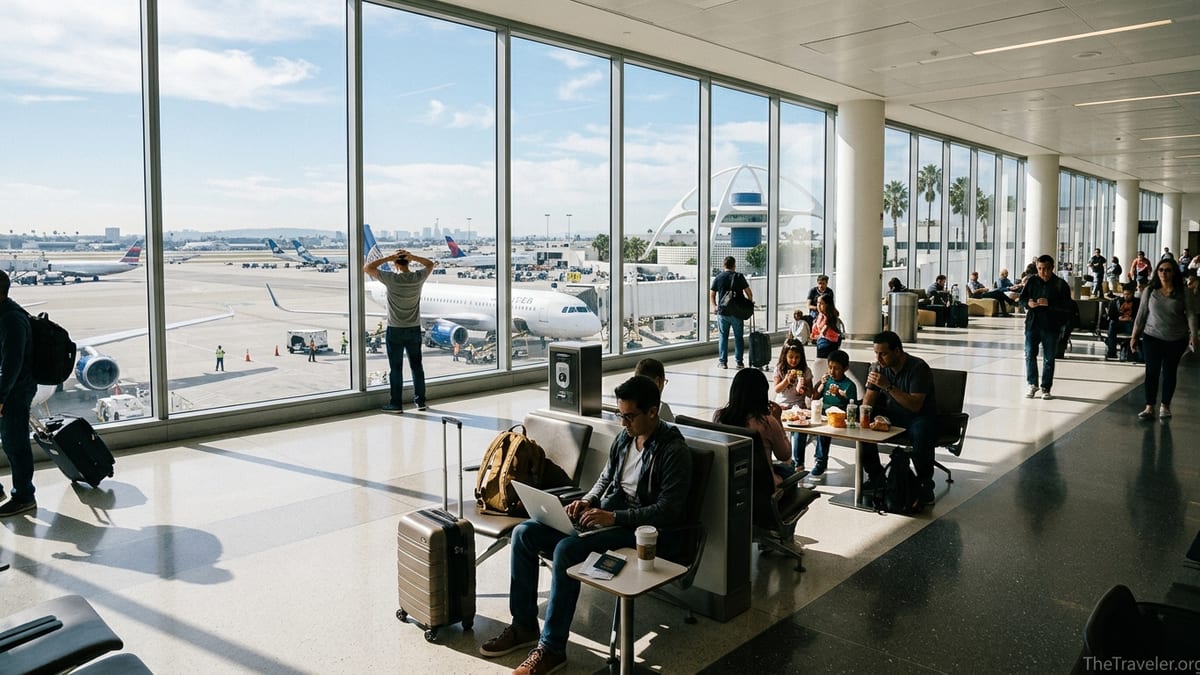
Start With the Basics: Time, Terminals and Security
The single most important step in making the most of a long layover at LAX is understanding your actual usable time. As a rule of thumb, if you have four hours or less between flights, you are usually better off staying inside the secure area. Anything more than six hours, especially on a single ticket where your bags are checked through, can make a short escape from the airport realistic, provided you keep a close eye on the clock.
LAX is laid out in a wide U shape, with Terminals 1 through 8 and the Tom Bradley International Terminal forming the curve. In recent years, the airport has added more post-security walkways and tunnels, so that most terminals are now connected airside. It is possible, for example, to walk entirely within the secure zone from Terminal 1 around to the United gates in Terminals 7 and 8, although doing so can take 30 to 40 minutes at a normal pace.
Where construction interrupts those walkways, shuttle buses fill the gaps. At the time of writing, airside shuttles typically run from the American Airlines complex around Terminals 4 to 6 toward Tom Bradley International when walkway routes are closed, with departures roughly every 10 minutes in normal conditions. That makes it realistic to land in Tom Bradley, visit a lounge or restaurant there, and then connect to a domestic flight in Terminal 4 or 5 without going through security again, so long as you follow the airport’s signs toward the airside connectors.
Security screening times vary, but early mornings and late evenings can be faster than midday peaks. If you plan to leave the secure area at any point, build in at least 45 to 60 minutes to clear security on your return, more during holiday periods. Travelers with TSA PreCheck or CLEAR generally clear in a fraction of that, but queues can still build at the busier checkpoints, so you should always work with conservative estimates when deciding how far to roam.
Staying Airside: Lounges, Showers and Quiet Corners
For many travelers, especially those who are tired after a long overnight flight, the most efficient use of a long layover at LAX is to stay airside and focus on rest and comfort. The airport’s lounge network has improved in recent years, and a paid day pass can be worthwhile if you are facing five or six hours in the terminal. American, Delta and United all operate large branded lounges in their home terminals, typically charging around 60 to 79 dollars for a same-day pass at the desk if you do not have status or a credit card that grants entry.
If you are flying Delta and connect through Terminals 2 and 3, the newer Sky Club spaces offer showers, hot food, and a variety of workstation-style seats with plenty of outlets. These clubs can be busy at peak times, but for a traveler who wants to shower and change after a long-haul arrival, the ability to freshen up without leaving the secure area is a strong argument in their favor. Likewise, the American Airlines lounges in Terminal 4 and Tom Bradley International tend to be the most practical options for oneworld travelers who want both a meal and a quiet chair.
Independent lounges are another option, particularly if your airline status does not grant access to traditional clubs. Several Priority Pass lounges and pay-per-use spaces operate in Tom Bradley and some domestic terminals, typically priced around 50 to 65 dollars for a three-hour stay. These can include snacks, simple hot dishes, beer and wine, Wi‑Fi, and sometimes limited shower access, which can feel like good value compared with buying full meals and coffees separately in the public concourse.
Travelers who prefer not to pay for lounge access can still find quieter corners if they walk a bit farther from the central food courts. In Tom Bradley, seating near the far gates often remains calmer outside of peak departure banks. In Terminals 7 and 8, where United operates, less busy seating clusters can often be found at the ends of the concourses, away from the main security exits and bar areas. Power outlets are widespread but not universal, so packing a small power strip or battery pack can make these makeshift resting spots more comfortable.
Eat and Drink Well Without Leaving the Airport
While LAX is not yet in the league of airports known for world-class dining, it has gradually added better options, including recognizable Los Angeles names. In Tom Bradley International, travelers can expect to find outlets from local brands alongside familiar chains, offering everything from poke bowls to tacos. Prices are typical for a major U.S. hub airport: a sit-down meal with a main course and a soft drink might easily run to 25 or 30 dollars per person, while a grab-and-go sandwich and coffee can cost 15 to 20 dollars.
In Terminals 2 and 3, the Delta complex includes several fast-casual counters specializing in salads, grain bowls and burgers, reflecting a broader shift toward more contemporary menus. It is increasingly easy to find vegetarian, vegan and gluten-conscious choices here, which can be a relief on long travel days. Ordering ahead through airline or airport apps, where available, can reduce the time you spend in line during busy windows around mid-morning and early evening departures.
Terminals 4 and 5, which handle a large number of American Airlines flights, offer a mix of chain outlets, bars showing live sports and coffee kiosks scattered along the concourse. If you prefer to avoid lingering in the busiest central food courts, walking a few gates down can reveal satellite coffee bars or smaller snack stands with shorter lines. Travelers who simply need to refill a water bottle will find fountains near most restrooms, and several terminals now offer filtered water refill stations, a small detail that can significantly cut costs over a long day.
If your layover spans breakfast and lunch or lunch and dinner, consider splitting your meals between two different terminals to break up the time. For example, you might land in Terminal 7, walk airside to Tom Bradley for a more substantial meal in the international concourse, and then continue toward your connecting gate later. This approach also lets you stretch your legs and explore, rather than spending six hours in the same boarding area.
Fresh Air and Sleep: Day Rooms, Nearby Hotels and the Beach
Even the best lounge can start to feel confining after several hours. If your layover is more than six hours and falls during daytime, a quick escape to a nearby hotel or the coast can be a smart use of time. Many hotels along Century Boulevard, like mid-range chains in the three to four star category, sell day-use rooms through major booking platforms. Rates fluctuate, but travelers can often secure a room block from mid-morning to late afternoon for somewhere between 90 and 150 dollars, which buys several hours of uninterrupted sleep, a shower and a quiet space to work.
Shuttle buses to these hotels typically leave from the traffic islands just outside arrivals. After picking up your carry-on, you follow the signs for hotel shuttles and wait at the marked stops. Shuttles usually run every 15 to 30 minutes, and the drive itself is often under 10 minutes in normal traffic. For two travelers who want true privacy and a bed rather than a lounge chair, splitting a day room can quickly become cost-effective compared with extended lounge access.
For travelers who value fresh air more than sleep, the beaches near LAX are a major draw. Manhattan Beach, Playa del Rey and Venice Beach are all within reasonable reach when traffic cooperates. In light traffic, a ride-hail trip to Manhattan Beach can take around 20 minutes and cost roughly 20 to 30 dollars each way, depending on surge pricing. This makes a three or four hour mini-excursion appealing: you can walk the pier, grab a casual lunch at a café near the water, and watch surfers before heading back to the airport.
Venice Beach is farther and subject to heavier traffic, but many travelers still manage a stroll along the boardwalk or a quick visit to the canals during layovers of eight hours or more. If you plan a beach excursion, account for the slower return during late afternoon and early evening, when freeway and surface street congestion regularly builds. Aim to be back at the terminal at least two hours before a domestic departure and three hours before an international flight, giving yourself enough time to clear security without anxiety.
Using the New Ground Transport Options Wisely
In recent years, ground transport around LAX has been reshaped by new infrastructure designed to reduce curbside congestion. The Automated People Mover, an elevated train serving the terminals, parking structures and the consolidated rental car center, is scheduled to link the Central Terminal Area with outlying facilities. Once fully operational, this system is intended to shorten transfer times between the terminals and the main parking and rental hubs, though travelers should check current airport guidance to confirm operating details for their travel date.
Today, many visitors with long layovers still rely on ride-hail services, taxis and hotel shuttles to get away from the airport. At peak times, you may be directed to dedicated pickup zones rather than being collected directly outside your terminal. For example, ride-hail vehicles might stage at a central lot, with free shuttles taking passengers from all terminals to that zone. This adds a small layer of complexity but can still be faster than waiting for a car to inch through terminal traffic during busy afternoons.
Public transit is a realistic option for certain outings, especially for budget-conscious travelers or those familiar with Los Angeles. The LAX area is now connected to the broader Metro Rail system through a nearby transit center station served by multiple lines and bus routes, allowing travelers to continue onward toward neighborhoods such as downtown Los Angeles or the South Bay. However, making such a trip during a layover requires careful planning. Travel times to central Los Angeles by rail and bus can easily approach an hour each way, leaving little margin for error unless your layover is very long.
For most visitors with six to eight hours between flights, the most practical excursions from LAX are still those within a twenty-minute car ride: the beaches, nearby shopping centers along Sepulveda or Lincoln Boulevards, or a relaxed lunch at a local restaurant. If you choose public transit, keep an eye on schedules and head back toward the airport earlier than you think is necessary, as delays and missed connections can quickly erode your buffer.
Work, Wellness and Keeping Kids Occupied
Long layovers are also an opportunity to catch up on work or reset your body after cramped hours on a plane. LAX’s terminals now offer significantly better Wi‑Fi coverage than in years past, with free basic access widely available. Many seating areas feature work-height counters with integrated charging, particularly near larger food courts and in newer concourses such as Terminal 3. Travelers with sensitive calls or online meetings to attend may still prefer the relative privacy of a lounge or a quieter gate area away from public announcements.
Movement is just as important as connectivity. On a long layover, one of the simplest wellness strategies is to treat the terminal connectors as a walking track. A round-trip walk from one end of the Delta complex in Terminals 2 and 3, through Tom Bradley, and onward to the far United gates in Terminal 8 can easily reach several thousand steps. Building a half-hour walk into your layover can improve circulation and make the next flight more comfortable, especially for those prone to stiffness or jet lag.
Travelers with young children often face the toughest challenge, as LAX has relatively few dedicated play areas compared with some other major hubs. Families typically improvise by finding quieter gate areas with more space between seats, or by choosing a table in a food court where kids have a little room to move. Packing small toys, coloring books or downloaded shows remains the most reliable way to keep children occupied. Some lounges do offer family rooms or softer seating zones, but access depends on your ticket and membership.
Wellness-minded travelers can also use layovers at LAX for simple routines such as stretching or short bodyweight workouts. Less crowded corners of the terminal, particularly near lesser-used gates, are ideal for a brief yoga or stretching session. While dedicated yoga rooms are not a staple of every LAX terminal, the airport’s long concourses and window bays often provide enough space for a discreet session, especially early in the morning or late at night when foot traffic drops.
Planning Safe Excursions Into Los Angeles
Leaving LAX for part of a long layover can feel tempting, especially for first-time visitors eager to see more than departure boards. To decide whether it is realistic, work backward from your next flight. For domestic flights, you should generally be back at your check-in terminal at least two hours before departure, three hours for most international itineraries. Subtract those buffers, along with at least 45 minutes for security, from your total layover time, then divide what remains in half to account for the journey out and back.
For example, if you land at 9 a.m. and depart again at 7 p.m. on a domestic itinerary, you have ten hours on paper. Subtract two hours for pre-flight buffer and 45 minutes for security, and you are left with seven hours. Dividing that between outbound and return travel gives you around three hours each way. If your destination is a beach 20 minutes away, you might realistically enjoy four or five hours on the ground there, once you account for wait times and some slack.
Shorter layovers call for closer targets. A five or six hour connection might be just enough for lunch in nearby Manhattan Beach or Playa del Rey, where you can watch landing aircraft glide over the water. Some travelers opt for a quick visit to a shopping center along Sepulveda Boulevard to pick up forgotten items or simply sit at a café away from the airport crowds. These smaller excursions are often more relaxing than ambitious attempts to reach downtown landmarks, the Hollywood sign or theme parks, which can be sabotaged by traffic.
Whatever your plan, keep your phone charged and install your airline’s app so you receive immediate updates about gate changes and delays. It is not unusual for departures to be reassigned to different terminals at LAX, particularly around Tom Bradley and the adjacent concourses. If your flight is moved from one terminal to another while you are offsite, you will be glad you allowed extra time to navigate back through security and find the new gate without a scramble.
The Takeaway
A long layover at LAX will probably never feel like a resort vacation, but with realistic expectations and a bit of structure, it does not have to be a wasted day. The key decisions revolve around how much time you truly have, whether your energy level calls for rest or exploration, and how comfortable you are navigating security and ground transport.
If your connection is on the shorter side, investing in a lounge pass, walking the airside connectors to stretch your legs, and choosing one or two better-quality meals can make the airport feel far more manageable. If you have six hours or more and the weather cooperates, a few hours by the beach or a quiet nap in a nearby hotel day room can leave you feeling more human by the time you board your onward flight.
LAX may be sprawling and under constant construction, but it also sits within easy reach of the Pacific Ocean and some of Southern California’s most inviting coastal neighborhoods. With a watchful eye on the clock and a clear plan, your long layover can become an unexpected highlight rather than something to endure.
FAQ
Q1. How many hours do I need to comfortably leave LAX during a layover? For most travelers, you should have at least six hours between flights before considering leaving the airport, and more if your onward flight is international or during peak traffic times.
Q2. Is it realistic to visit the beach during a long LAX layover? Yes, if you have at least six to eight hours, a quick trip to nearby beaches such as Manhattan Beach or Playa del Rey is realistic, provided you allow generous time to return and clear security.
Q3. Are all LAX terminals connected after security? Most terminals are now linked by post-security walkways or tunnels, and where construction interrupts those routes, airside shuttles often fill the gaps, but you should still check current maps and signage on the day you travel.
Q4. Is lounge access worth paying for at LAX? For layovers of four hours or more, especially after a long flight, many travelers find a 60 to 80 dollar day pass worth the cost for quieter seating, food, drinks and shower access.
Q5. Can I sleep overnight in the terminals at LAX? Overnight stays in the public seating areas are common during late connections or early departures, but comfort is basic, and some travelers prefer booking a nearby airport hotel for real rest and privacy.
Q6. What is the best way to get to the beach from LAX during a layover? The most straightforward option is usually a ride-hail car or taxi directly from the terminal area to a nearby beach, which can take around 20 minutes in light traffic each way.
Q7. How early should I return to LAX after leaving during a layover? Aim to be back at your check-in terminal at least two hours before a domestic departure and three hours before an international flight, plus extra time during holiday peaks or heavy traffic periods.
Q8. Are there showers available inside LAX without booking a hotel? Yes, several airline and independent lounges at LAX offer showers to guests, and travelers without status can often access them by purchasing a same-day lounge pass.
Q9. Is public transit a good option during a layover at LAX? Public transit is useful for very budget-conscious travelers or those with long layovers, but travel times into central Los Angeles can be lengthy, so it is usually better suited to connections of eight hours or more.
Q10. What should I do with my luggage during a long layover? If your bags are checked through to your final destination, you only need to manage your carry-on; if not, consider a nearby hotel day room or plan activities that do not require much walking so you are not stuck hauling heavy luggage around.