


Planning a trip across the United States can feel less like a vacation and more like a part time job. Routes, flights, national parks, city stops, budgets, passes, rentals, and weather patterns all compete for your attention. With a few concrete decisions made in the right order, though, a coast to coast adventure becomes manageable instead of overwhelming. This guide breaks the process into practical steps, using real examples and current price ranges so you can plan a trip that fits your time, money, and energy instead of the other way around.
Get the latest updates straight to your inbox!
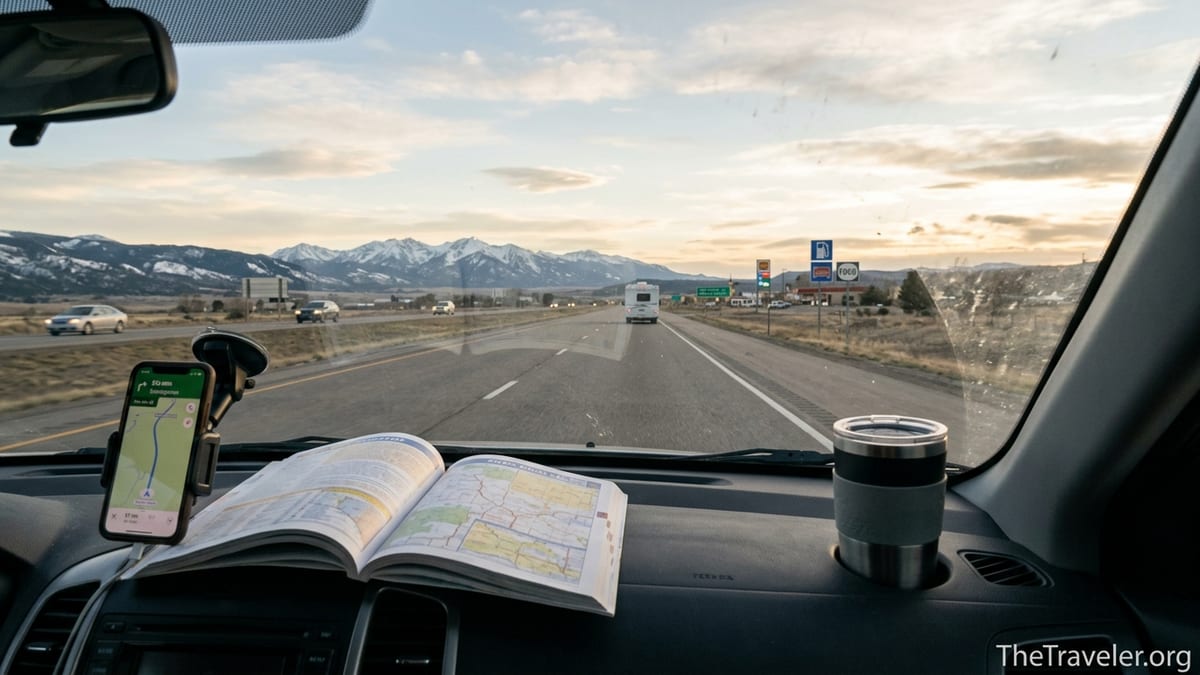
Start With One Clear Goal, Not a Bucket List
The fastest way to feel overwhelmed is to treat the entire country as your checklist. Before you open a map app, decide the main purpose of this trip. Are you chasing classic road trip scenery like Route 66 and the Pacific Coast Highway, tracking down baseball stadiums from Boston to Los Angeles, or stitching together national parks such as Yellowstone, Zion, and the Grand Canyon in a single loop? A simple one line goal like “slow road trip from New York City to San Francisco with national parks and two big cities” will guide every later choice.
That single sentence immediately rules out some options and highlights others. If your priority is national parks, for example, then a route that swings through Wyoming, Utah, and Arizona makes more sense than hugging Interstate 10 across the southern states. If your dream is food and music, you might connect New Orleans, Austin, Santa Fe, and Los Angeles. Giving yourself permission to ignore what does not serve the main goal is one of the kindest things you can do for your future self.
Turning broad wishes into a goal also helps with group trips. If you are traveling with a partner or friends, ask each person to name one non-negotiable stop. Maybe it is a day in Chicago, a hike in Yosemite, or a night in Nashville. Build the route around those few anchors instead of trying to satisfy every casual “it would be nice if” suggestion. Most groups find that three or four shared priorities are enough for a rich trip without turning the itinerary into a spreadsheet of compromises.
Once you have that core purpose, write it somewhere visible. As you research flights, rail passes, or scenic byways, return to that line whenever you feel stuck. If a decision does not support the goal, you can safely park it for another trip.
Choose Your Main Mode: Drive, Rail, Bus, or Mix
After your goal, your main mode of travel is the next big decision. In practical terms, it often comes down to driving, using Amtrak, relying on long distance buses, or combining two or three of these. Each has its own rhythm, costs, and stress points, and matching them to your personality reduces overwhelm more than squeezing out every last dollar.
A classic road trip in a rental car remains the most flexible option. In summer 2026, a mid-size rental picked up in New York and dropped in Los Angeles for three weeks commonly runs in the range of 1,800 to 2,400 dollars before fuel, with one-way drop fees built into that total for major companies. Gas prices fluctuate by state, but in June 2026 the national average is roughly in the mid 4 dollar range per gallon, with higher prices in California and the West Coast and lower in southern states. That means a 4,000 mile coast to coast drive in a car averaging 30 miles per gallon will likely cost around 550 to 650 dollars in fuel alone, depending on your exact route and driving style.
If long days behind the wheel sound exhausting, Amtrak’s long distance routes turn the journey into part of the vacation. The USA Rail Pass allows you to take multiple segments in a 30 day period on most Amtrak routes, excluding premium services like Acela in the Northeast and a few specialty trains. Typical passes cover ten ride segments, which can be enough to connect an itinerary like Boston to Chicago, then to Denver, Salt Lake City, and the Bay Area. Coach seating is usually more spacious than economy on domestic flights, and you avoid the stress of constant airport security lines, but you trade that for a fixed timetable and the occasional overnight arrival.
For travelers on a tighter budget, long distance buses such as Greyhound, FlixBus, or regional lines can still cover thousands of miles for less than a rail pass or rental car, especially if you watch for advance purchase sales. A one way ticket from Denver to Las Vegas might land around 100 dollars, while shorter regional hops like Phoenix to Los Angeles can be substantially less with flexible dates. The tradeoff is comfort and time: overnight buses are economical but can cut into your sleep, so they work best if you are young, adaptable, or building in recovery days.
Right-Size Your Route and Daily Distances
Once you know how you will move, the next step is to bring the map back down to human scale. A direct drive from New York to Los Angeles is roughly 2,800 to 3,000 miles depending on route, while scenic variations through the northern Rockies or southern deserts can stretch closer to 4,000 miles. Planning only by total distance can be misleading, so think in terms of what a sustainable day looks like for you. For many travelers, six to eight hours of driving or one long train segment per day feels manageable with time for at least one real stop.
At highway speeds, six hours behind the wheel often covers 300 to 400 miles. Translated into a cross country plan, that means a realistic one way drive might take seven to ten days if you actually want to step out of the car for hikes, museums, or local food instead of treating the country as a blur of interstate exits. For example, you might spend a night in Pittsburgh, another in Chicago, then push across the plains to Denver over two days, detour to Moab for Arches National Park, and finish with Las Vegas and Los Angeles. That is already a full and satisfying itinerary without even touching the Pacific Northwest or the Deep South.
If you choose rail, think in segments rather than miles. A route like Chicago to Seattle on the Empire Builder takes roughly two days, and the California Zephyr from Chicago to the Bay Area is similarly long. It can be tempting to string three or four of these in a row to see both coasts and the Southwest, but many travelers are happier building in a three night stop in a hub city such as Denver, Portland, or Chicago between long train rides. Those pauses become your chance to reset your laundry, budget, and sense of place.
One practical tactic is to draft a “maximum ambition” version of your route first, with every park and city that appeals to you, then deliberately cut at least one third of the stops. It can feel harsh on paper, but on the ground it translates to fewer hotel changes, fewer early alarms, and more evenings where you are enjoying a local bar in Austin or a sunset over the Mississippi instead of checking in to yet another roadside motel after dark.
Use Passes and Clusters to Control Costs
Costs across a continent add up quickly, but a few broad strategies simplify the financial side. The first is to think in clusters: groups of destinations that share an airport, a rental hub, or a national park region. The second is to take advantage of passes when they genuinely match your itinerary instead of chasing every discount on principle.
Travelers planning to visit several national parks in one trip often benefit from the America the Beautiful annual pass, which provides entrance to more than two thousand federally managed sites across the country. As of early 2026, the standard annual pass price for US residents sits around 80 dollars, while non-resident visitors face higher pricing tiers, including a 250 dollar non-resident annual option that also avoids new surcharges at some of the busiest parks. If your route includes popular parks such as Yosemite, Zion, Yellowstone, or Grand Canyon, it is worth comparing the sum of individual entrance fees to the pass, especially if you are traveling as a couple or family in one car.
Rail and transit passes work in a similar way. The Amtrak USA Rail Pass, when on sale, has recently been promoted at prices in the low to mid hundreds of dollars, offering ten segments over thirty days. For someone who wants to ride from the East Coast to the West Coast with several major city stops, this can undercut the cost of multiple one way tickets, particularly on longer routes. On the other hand, if your cross country plan is essentially two long rides and a regional hop, individual fares may be simpler and sometimes cheaper, especially when booked a few months ahead.
Clustering also helps with lodging. Instead of spacing your days evenly like a string of pearls, consider building three or four multi-night anchors and using them as bases. For example, you might spend four nights in Denver, taking a day trip to Rocky Mountain National Park and a side drive to Colorado Springs, then move on for three nights in Moab to explore Arches and Canyonlands. Negotiating weekly rates at vacation rentals or choosing mid-range chain hotels that offer loyalty points can keep per-night costs steady, while reducing the mental load of constant packing and unpacking.
On a shorter budget trip, you might cluster nights around cities with affordable hostels or university towns outside peak term dates. In summer, college towns like Madison, Wisconsin, or Missoula, Montana, often have a mix of budget motels and casual restaurants that are easier on the wallet than high-demand national park gateways like Jackson or Springdale, Utah. You sacrifice being right at the park entrance, but you gain calmer planning and more predictable expenses.
Balance Cities, Nature, and Rest Days
One reason cross country trips feel overwhelming is that every destination competes for both money and energy. Big cities such as New York, Chicago, and San Francisco come with higher hotel prices but also rich museums, food scenes, and nightlife. National parks and small towns promise quieter nights and dramatic landscapes, but they often involve early starts, drives on unfamiliar mountain roads, or weather-dependent plans. Building a rhythm that alternates intense days with lighter ones makes the whole journey more sustainable.
A simple pattern many travelers like is city, nature, rest, repeat. For example, you might spend three busy days in Chicago visiting the Art Institute, walking the lakefront, and catching a ball game, followed by a quieter stretch through South Dakota with one major activity such as a half day hike in Badlands National Park and a scenic drive past Mount Rushmore. Then you might schedule a pure rest day in a small town along Interstate 90 where the most ambitious goal is doing laundry and finding a good diner breakfast.
Rest days are not a luxury. They are what keep long trips from falling apart by week two. When you map out your route, deliberately mark at least one day every week with no long drive and no fixed booking other than where you sleep. On that day you can sleep in, wander a farmers market in Spokane, or sit in a coffee shop in Albuquerque catching up on messages. If you are traveling with kids, these pauses are often where the best travel memories happen, because everyone has enough bandwidth to notice small details again.
Season and weather also affect how you balance your stops. Crossing the northern plains or the Rockies in winter brings potential snow closures and very short daylight hours, which increases the value of slow travel and extra buffer days. A July trip through the Southwest may require early morning hikes in Zion or Saguaro National Park and afternoons focused on indoor activities or shaded pools. Matching your expectations to the climate and packing accordingly reduces the number of last minute scrambles for gear or changes of plan.
Keep Logistics Simple: Book the Pillars, Leave the Gaps
A major source of overwhelm is trying to lock in every night and every hour months in advance. A more practical approach is to book your pillars: the flights or first long train, your main rental car, and any accommodations in high-demand areas such as national park gateways or peak season city weekends. Everything else can remain flexible within a loose structure.
If you are starting on the East Coast, that might mean buying a flight into New York or Boston, reserving your cross country rental car dates, and securing rooms for popular night stops like Yellowstone’s gateway towns, major holiday weekends, or special events like a music festival in Austin. Once those are in place, you can leave intermediate towns unbooked or cancelable, filling them in as you go when you have a better sense of your pace and preferences.
Technology helps, but it is worth keeping your digital life streamlined. Instead of juggling five different booking apps, choose one or two hotel brands or aggregators you trust, and one main map app for navigation. Download offline maps for rural stretches in states such as Nevada, Wyoming, or West Texas where mobile coverage can be patchy. Keep essential details like reservation numbers and addresses in a single shared document or note that everyone in your group can access, rather than relying on a chain of emails and screenshots.
Think through the small, repeatable logistics too. If you will be crossing multiple time zones by car, note that sunset and closing times will shift, especially when you move from Central to Mountain and Pacific time. If your trip spans several weeks, set a recurring reminder for simple admin like checking your credit card travel alerts or scanning your bank account for unusual charges. These small habits prevent administrative surprises from derailing the fun parts of the trip.
Stay Sane on the Road With Routines and Safety Basics
Even the best planned cross country trip will have long stretches of road, delays, and small crises. Having a few consistent routines keeps the experience enjoyable and grounded. Many travelers start each day with a quick ten minute “morning huddle,” whether that is a real conversation over motel coffee or a shared message thread. Confirm the day’s driving time, the main stop, where you will eat one proper meal, and where you will sleep that night. This tiny ritual replaces dozens of scattered decisions with one clear plan.
Safety and comfort are equally important. In summer 2026, wildfires, heat waves, and storms remain part of the North American travel reality. Before driving into remote regions, check local weather and any fire or road closure updates for states like California, Oregon, or Colorado. Keep at least half a tank of gas in rural areas of Nevada, Utah, or West Texas, where distances between stations can be longer than you are used to. Storing a basic car kit with water, snacks, a flashlight, and a paper map in the trunk is inexpensive insurance against the occasional wrong turn or closed highway.
On trains and buses, routines look different but serve the same purpose. Pack a lightweight eye mask and earplugs for overnight segments, along with a small bag that holds your passport or ID, a charger, and any medication, and keep that bag with you instead of in overhead racks. On a two night Amtrak ride between Chicago and Seattle, this means you can settle into your seat or sleeper, know where everything is, and treat the journey like a moving living room instead of an exercise in constant vigilance.
Mental health matters too. A cross country trip compresses a lot of stimuli into a short period. It is common to feel irritable or homesick somewhere around the middle, especially if you are sharing small spaces. Build in solo walks, quiet reading time in a park in Portland, or an evening alone at a neighborhood restaurant while the rest of the group goes to a game. You will enjoy the shared moments more if you do not feel like you must be “on” for the entire route.
The Takeaway
Planning a trip across the United States without feeling overwhelmed is less about finding the perfect route and more about making a series of clear, kind decisions in the right order. Start with a simple goal, choose the mode of travel that matches your energy more than your ego, then right-size your daily distances so the journey feels human. Use passes and regional clusters where they make genuine sense, book only the pillars that truly need to be fixed, and leave breathing room for discovery and rest.
Most important, remember that no single trip can cover an entire continent. You do not have to see both Maine’s rocky coast and San Diego’s beaches, both Seattle’s coffee shops and Miami’s nightlife, in one go. Each decision to skip something now is not a loss, but a seed for a future journey. When you accept that your cross country adventure is one chapter rather than the entire story, the planning process becomes lighter, and the road ahead opens up with more joy than pressure.
FAQ
Q1. How long should I plan for a cross country US trip? Most travelers are happiest with two to four weeks, which allows time for rest days and real stops; a bare minimum “just driving” itinerary can be done in about a week, but it will feel rushed.
Q2. Is it cheaper to drive or take Amtrak across the country? It depends on fuel prices, your car’s efficiency, and rail fares, but for solo travelers rail can be competitive with renting a car, while for two or more people sharing a vehicle often works out cheaper per person.
Q3. How far is reasonable to drive each day on a long US road trip? Many people find 300 to 400 miles, or about six to eight hours with breaks, to be a comfortable maximum on most days, with occasional shorter “recovery” days built in.
Q4. Do I need to book all my hotels before I leave? You only need to book high demand areas, holiday weekends, and your arrival and departure nights in advance; leaving some nights flexible can reduce stress and let you adapt to weather or discoveries.
Q5. Is the America the Beautiful national parks pass worth it for one trip? If you plan to visit several major parks within a year, the pass often pays for itself compared with paying individual entrance fees, especially if you are traveling in one car as a couple or family.
Q6. What is the best time of year to drive across the United States? Late spring and early fall usually offer the best balance of milder weather, fewer crowds at national parks, and more daylight than winter, though specific routes may favor different seasons.
Q7. How do I avoid burnout on a long road trip? Build in weekly rest days with no long drives, limit one way stretches to a realistic length, and alternate intense city sightseeing with quieter small town or nature days.
Q8. Is it safe to take overnight buses or trains across the country? Many people travel safely on overnight services every year, but it is wise to keep valuables on your person, stay aware of your surroundings, and choose reputable companies and well used routes.
Q9. Can I plan a cross country trip without renting a car? Yes, by combining Amtrak routes, long distance buses, and local transit or rideshares in cities; this works best if you focus your route on major rail and bus corridors.
Q10. How far in advance should I start planning a US cross country trip? Starting three to six months ahead gives you time to watch for flight and rail deals, secure key lodging near national parks, and fine tune a route without rushing.