


The United States is one of the world’s most visited countries, drawing tens of millions of international travelers each year to its cities, national parks, beaches and cultural landmarks. Yet for many first-time visitors, the question remains: is the U.S. really worth visiting compared to destinations with older history, denser cities or cheaper prices? The answer depends on what you value, how you like to travel and how prepared you are for the country’s unique quirks. From vast distances and tipping culture to breathtaking scenery and buzzing cities, here is what most surprises international travelers and how to decide if America deserves a spot on your itinerary.
Get the latest updates straight to your inbox!
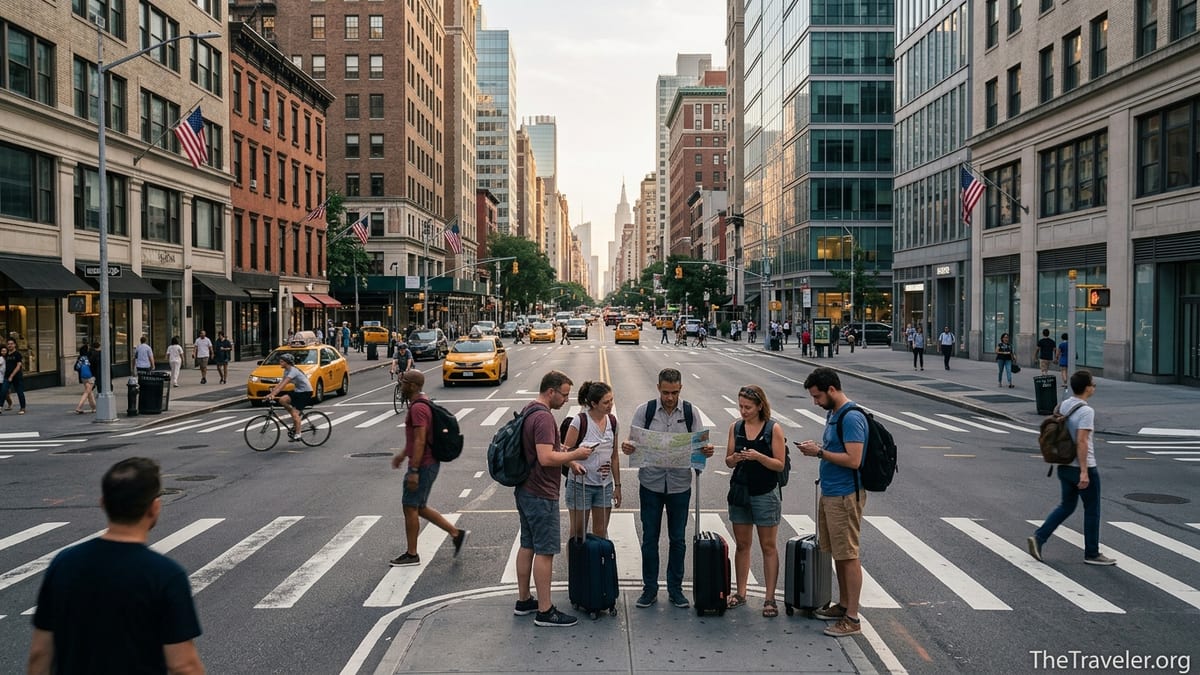
The Case for Visiting: Scale, Diversity and Iconic Sights
For many travelers, the strongest argument in favor of visiting the United States is the sheer variety of experiences you can have in one trip. In a single itinerary, you might walk across the Brooklyn Bridge in New York, drive through the red rock landscapes of Arizona, watch live jazz in New Orleans and finish with wine tasting in California’s Napa Valley. Tourism data places New York City at the top of overseas visitor rankings, with cities like Miami, Los Angeles, Orlando and San Francisco also among the most visited, a reflection of just how wide the country’s appeal has become.
The natural scenery often surprises visitors who expect the U.S. to be mostly cities and suburbs. The Grand Canyon in Arizona, Yosemite and Yellowstone national parks, the Utah “Mighty 5” parks, and the Great Smoky Mountains on the Tennessee–North Carolina border all feel drastically different from one another. On a practical level, this means you can plan a two-week trip that starts with museums and Broadway in New York and ends with hiking among geysers and bison in Wyoming, without crossing an international border.
Cultural variety is another major draw. International visitors discover that “American culture” is not a single thing but a mosaic of regional identities. A week in New England coastal towns like Salem and Portland feels different from time spent in Texas cities like Austin or San Antonio, where live music and barbecue define the experience. In the South, cities such as Charleston, Savannah and New Orleans combine complex history with distinctive food and music scenes that feel unlike anywhere else in the country.
For travelers used to smaller countries, the sense of scale can be a thrill in itself. Major attractions like Times Square, the Las Vegas Strip, the Golden Gate Bridge, the beaches of Miami and the theme parks around Orlando are globally recognizable. Seeing them in person often feels like stepping into a movie. Even if you do not normally seek out very famous sights, the United States is full of places where popular culture, architecture and landscape line up in a way that feels uniquely cinematic.
Sticker Shock: Costs, Taxes and Tipping Culture
One of the first surprises for many international visitors is cost. The United States is not uniformly expensive, but flagship destinations often are. In New York City, for example, recent estimates put the average hotel rate in the low to mid 300s in U.S. dollars per night for a standard room, with mid-range properties in Midtown commonly listing rooms around 250 to 350 dollars outside major holidays. In peak months and popular neighborhoods, rates climb sharply, so a couple can easily spend more than 700 dollars on accommodation for just two nights in Manhattan.
Prices on menus and in shops can also surprise travelers because U.S. sales tax is usually added at the register instead of being included in the sticker price. That 20-dollar restaurant main course in Los Angeles or Chicago may actually cost closer to 22 or 23 dollars once local taxes and a standard tip are included. In many American cities, diners are expected to tip restaurant servers around 18 to 22 percent of the pre-tax bill for table service, especially in sit-down restaurants where staff rely heavily on tips for income. Travelers from countries where service charges are included or tipping is minimal often find this uncomfortable until they adjust their expectations and budget.
Another source of surprise is how quickly incidental costs accumulate. Car rentals around major U.S. airports often advertise base rates that look reasonable, only for travelers to discover airport concession fees, additional taxes, toll transponder charges and optional insurance waivers that can add 20 to 40 dollars per day or more. A compact car that looked like 45 dollars per day online can end up closer to 70 dollars per day out the door for a short booking in a busy period.
That said, there are ways to bring costs down. Visitors who time their trips carefully often find better value. For instance, New York hotel prices are typically much lower in winter than in September or December, and midweek stays can be noticeably cheaper than weekends. In many secondary cities, such as Denver, Minneapolis or San Antonio, you can still find modern, central hotels around 150 to 220 dollars per night outside peak event dates. Travelers willing to stay in motels or budget chains along highways or in suburban areas may pay less than 120 dollars per night, especially in smaller towns.
Distances, Transport and the Reality of Getting Around
On the map, it looks tempting to combine New York, Miami, Las Vegas, San Francisco and the Grand Canyon in a single two-week trip. In practice, the distances make this challenging. The flight from New York to Los Angeles is about six hours, comparable to flying between many European capitals and the Middle East. A drive from Los Angeles to the Grand Canyon South Rim can take seven to eight hours without long stops. First-time visitors are often surprised when they realize how much time they will spend in transit if they try to see too many regions in one visit.
Public transportation is another adjustment point. In a few major cities, such as New York, Washington DC, Chicago, Boston and San Francisco, public transit is extensive enough that visitors can comfortably get by without a car. A subway or metro ride typically costs around 2 to 3 dollars per trip, with unlimited passes available in places like New York and DC. However, outside these urban centers, car dependency remains high. In cities such as Orlando, Phoenix or Dallas, bus networks may exist but are often designed around commuters rather than tourists, with infrequent service at night and on weekends.
As a result, many visitors either rent a car or rely on ride-hailing services like Uber and Lyft. Renting a car makes particular sense for itineraries focused on national parks and small towns, such as a loop through Utah’s national parks or a California coastal road trip from San Francisco to Los Angeles via Big Sur. Gasoline prices fluctuate, but a long highway drive across a state like Texas or Colorado will usually be cheaper than taking multiple domestic flights for the same route, especially for families or small groups who can share a vehicle.
Travelers used to high-speed trains across Europe or dense intercity bus networks in parts of Asia are sometimes surprised at how limited long-distance rail can be. Amtrak, the national rail operator, runs scenic routes like the California Zephyr between Chicago and San Francisco or the Northeast Corridor between Boston and Washington DC, but schedules are less frequent and journeys often take longer than driving. Intercity buses from operators such as Greyhound or Megabus can offer good value on popular routes, but they lack the comfort and reliability some visitors expect from train-based systems in other regions.
Cultural Quirks: Friendliness, Directness and Everyday Interactions
Despite the logistical challenges, many international visitors comment on the friendliness and openness they encounter. In cities as different as Seattle and Nashville, it is common for shop staff, baristas and even strangers in line to strike up casual conversation. Visitors from countries where small talk with strangers is rare may find this warmth refreshing or slightly disorienting. It is not unusual for a bartender in New Orleans to ask where you are visiting from and offer tips, or for a park ranger in Utah to spend time suggesting specific trails based on your fitness level and timing.
At the same time, U.S. communication style can feel more direct and informal. Servers may introduce themselves by first name, colleagues and even new acquaintances might switch to first names quickly, and people may ask questions that feel personal to some cultures, such as what you do for work or how long you are staying. In professional contexts, meetings may begin with brief small talk before getting quickly to the point, which can surprise travelers used to longer rituals or more hierarchical forms of address.
Another cultural surprise is the emphasis on convenience. Many grocery stores and pharmacies in suburban areas operate late into the night, and in some cities are open 24 hours. Fast-food drive-throughs and large supermarkets with extensive prepared-food sections are common. Visitors exploring a typical American supermarket often remark on the vast number of choices, from breakfast cereal aisles with dozens of brands to refrigerators filled with multiple varieties of plant-based milk. For some, this abundance is exciting; for others, it feels overwhelming or wasteful.
Religious and political expressions in public life can also catch visitors off guard. Travelers might see churches prominently advertising services, or encounter strongly worded opinions on bumper stickers and yard signs, especially during election seasons. Most visitors find that people are polite in direct conversation, but it is useful to be aware that views on topics like politics, guns and social issues vary widely from region to region, and conversations can become heated if you bring them up with strangers.
Nature, National Parks and the “Big Outdoors” Surprise
Even travelers who come mainly for big cities often leave talking about nature. The United States has a vast system of national and state parks that protects canyons, forests, lakes, deserts and coastlines on a grand scale. For example, a typical first-time itinerary in the American West might include Zion and Bryce Canyon in Utah, plus the Grand Canyon in Arizona. In a single week, visitors can hike along narrow red-rock canyons, watch sunrise over strange hoodoo formations and stand at the edge of one of the deepest gorges in the world.
The infrastructure in many national parks also surprises people. Well-marked trails, visitor centers with detailed exhibits, and campgrounds with varying levels of comfort make it relatively easy for beginners to access dramatic landscapes. In parks like Yosemite in California, regular shuttle buses connect key viewpoints, allowing travelers to leave their car parked and still reach popular trailheads like Yosemite Falls or Glacier Point. In some cases, timed reservations or entry passes are required during peak seasons, which can be new for visitors used to more casual access to nature in their home countries.
The downside is that America’s great outdoors can get crowded, especially at famous viewpoints in peak months such as July and August. International travelers who arrive mid-morning at the Grand Canyon’s South Rim may find themselves sharing the railing with tour groups and families. Those who adjust their schedule to visit at sunrise or explore lesser-known overlooks, or who include nearby but quieter parks like Capitol Reef in Utah, often report much more peaceful experiences.
Weather extremes are another factor. In one trip, you might encounter humid heat in Florida, cool fog in San Francisco and snow in the Rocky Mountains, depending on the season and altitude. Hikers from milder climates can be surprised by how quickly conditions change at higher elevations, such as in Colorado or Montana. Planning with layers, checking park service alerts and respecting local advice about wildlife and trail safety are essential to getting the most out of these landscapes while staying safe.
Safety, Healthcare and Practical Realities
Perceptions of safety in the United States can be shaped by international news coverage of topics such as crime or gun violence. On the ground, many visitors find that tourist areas in cities like New York, Boston, San Diego and Portland feel no more threatening than other large cities worldwide when they take normal precautions. Well-lit downtown districts with active nightlife, visible police presence in busy areas and hotel staff used to guiding international guests all contribute to a sense of relative safety for most visitors.
That said, regional differences are real. Travelers may notice greater visible homelessness in some West Coast cities, including parts of San Francisco, Seattle and Los Angeles. This can be emotionally challenging to witness but does not usually translate directly into danger for visitors, provided they use common sense, avoid flashing valuables and stay aware of their surroundings, particularly at night and in quieter neighborhoods.
Healthcare costs, however, are a major concern that rightly surprises many international travelers. Unlike in countries with universal coverage, an uninsured emergency room visit in the United States can result in bills that run into thousands of dollars, even for relatively minor injuries. For this reason, comprehensive travel insurance that includes medical coverage and medical evacuation is strongly recommended. Visitors who arrive without it sometimes discover, too late, that a simple mishap like breaking an ankle on a hike can become the most expensive part of their trip.
On the positive side, pharmacies and urgent-care clinics are widely available in urban and suburban areas. If you catch a cold while visiting Washington DC or experience mild food poisoning after street food at a festival in Austin, you can usually see a doctor or nurse practitioner at a walk-in clinic the same day, though you will likely pay out of pocket and then claim reimbursement from your insurer. Bringing a basic travel medical kit and knowing how to contact your insurance provider from abroad are small steps that can prevent a stressful situation from becoming overwhelming.
Who Will Find the United States Most Rewarding?
Given all these realities, the United States is most rewarding for travelers who value variety and are comfortable with some logistical complexity. If your ideal trip involves focusing deeply on one compact historic center, walking everywhere, and spending most evenings in the same old town square, you might find destinations like Lisbon, Prague or Kyoto more aligned with your preferences. If, on the other hand, you are excited by the idea of mixing food trucks in Portland with live country music in Nashville, then flying to Arizona for a road trip through desert landscapes, the U.S. offers a unique playground.
Budget also plays a role. Backpackers who are used to low daily costs in Southeast Asia or parts of Latin America may experience culture shock when they see the price of a simple sit-down meal or central hostel bed in cities like San Francisco or Boston. For mid-range travelers with a bit more flexibility, however, the United States can be worth the investment, especially if they are strategic about visiting a mix of high-cost icons and more affordable regions.
Families and small groups often find the country particularly appealing. Renting a car and staying in mid-range chain hotels or vacation rentals can make the per-person cost more manageable, especially outside the very top-tier destinations. Parents appreciate the infrastructure of roadside rest areas, supermarket options for self-catering and family-friendly attractions, from children’s museums in places like Indianapolis or Kansas City to smaller, less-crowded theme parks in regional hubs.
Finally, repeat visitors tend to appreciate the United States most. A first trip that focuses on classic cities and perhaps one national park often opens the door to more specialized journeys, such as a blues and barbecue tour across the Mississippi Delta, a fall foliage road trip through New England, or a winter ski holiday in Colorado or Utah. Each visit allows travelers to get past clichés and discover more of the everyday culture that rarely appears in films or television.
The Takeaway
So, is the United States worth visiting? For many travelers, the answer is yes, provided expectations are realistic and the itinerary matches personal interests. The country’s greatest strengths lie in its diversity of landscapes and cultures, its iconic cities and its ability to offer several “types” of trip within a single journey. From walking under Manhattan skyscrapers to stargazing in the dark skies of rural Arizona, the contrasts can be unforgettable.
At the same time, the very factors that define the American experience can become frustrations if you are unprepared. Distances are huge, public transport thins out beyond certain cities, prices can be high and tipping norms can feel awkward. Healthcare is expensive without insurance, and social contrasts are often visible in ways that can be confronting. None of these are reasons to avoid the country altogether, but they are strong arguments for thorough planning.
If you approach the United States as a destination to be sliced into manageable regions rather than conquered in one trip, build a budget that honestly accounts for higher costs, and arrive with curiosity about its cultural quirks rather than fixed expectations, the rewards are significant. For travelers willing to engage with both its challenges and its charms, the U.S. offers not just a set of sights to tick off, but a complex and fascinating window into one of the most influential societies on the planet.
FAQ
Q1. Is the United States too expensive compared with other destinations?
The United States is generally more expensive than many parts of Asia or Latin America and broadly comparable to Western Europe in major cities. Iconic destinations like New York, San Francisco and Hawaii can be particularly costly for accommodation and dining, while smaller cities and rural areas often offer better value.
Q2. How long should a first-time visitor spend in the U.S.?
For a first visit, 10 to 14 days is a realistic minimum if you are flying long haul. That allows time for one major city, such as New York or Los Angeles, plus one additional region like the Southwest deserts, Florida beaches or a national park, without rushing across too many time zones or spending most of your holiday in transit.
Q3. Do I really need a car to travel in the United States?
In dense cities such as New York, Washington DC, Boston and Chicago, you can rely mainly on public transit and walking. For trips focused on national parks, small towns or Sun Belt cities with limited transit, such as Orlando or Phoenix, renting a car gives you far more flexibility and usually saves time compared with piecing together buses and taxis.
Q4. How much should I budget per day as a mid-range traveler?
Budgets vary widely by region, but many mid-range visitors find that 200 to 300 U.S. dollars per person per day covers a shared hotel room, meals in casual restaurants, local transport and entry fees in major cities. Costs can drop below this in smaller towns and rise above it in very popular or remote destinations.
Q5. Is the United States safe for solo travelers?
Most international visitors experience the United States as broadly safe when they follow standard big-city precautions. Solo travelers should research neighborhoods, avoid poorly lit areas late at night, keep valuables secure, and rely on official taxis or reputable ride-hailing services, especially when arriving late in unfamiliar cities.
Q6. What surprises travelers most about American food?
Visitors are often struck by portion sizes, which can be larger than in many other countries, and by the range of regional specialties. From deep-dish pizza in Chicago and Tex-Mex in Texas to fresh seafood in New England and farm-to-table restaurants in the Pacific Northwest, the variety is much broader than fast-food stereotypes suggest.
Q7. How do I handle healthcare if I get sick or injured?
Before traveling, purchase comprehensive travel insurance that includes medical treatment and evacuation. If you need care, urgent-care clinics and walk-in centers are good first options for non-emergencies, while hospital emergency rooms should be reserved for serious situations. Always keep a copy of your insurance details and emergency contact numbers with you.
Q8. When is the best time of year to visit?
Spring and autumn are generally the most pleasant seasons for many parts of the United States, offering milder temperatures and fewer crowds than peak summer. However, the ideal time depends on your focus: winter can be perfect for skiing in Colorado or Vermont, while summer is best for Alaska cruises or many national parks in the northern Rockies.
Q9. Can I visit several regions on a single trip without rushing?
It is possible, but you should be selective. Combining two regions, such as the Northeast and the Southwest, or California and the Pacific Northwest, usually works better than trying to see the entire country. Building your itinerary around nonstop flights between a small number of hubs can help minimize travel fatigue.
Q10. Is the U.S. still worth visiting if I am not interested in big cities?
Yes. Many of the country’s most rewarding experiences lie outside major urban centers, from small coastal towns in Maine and the Carolinas to mountain communities in Colorado and Montana. If you focus on national parks, scenic byways and regional food cultures, you can design a trip that features very little time in large cities while still getting a strong sense of the country.