


Planning a trip in the United States can feel overwhelming simply because there is so much choice. From Pacific coves and Gulf Coast barrier islands to neon-lit skylines, alpine towns and legendary highways, the country is built for travelers who like to pick a theme and run with it. Whether you are dreaming of a long weekend, a multi-stop vacation, or a classic cross-country journey, thinking in terms of beaches, cities, mountains, or road trips is one of the easiest ways to narrow things down to a trip that actually fits the way you like to travel.
Get the latest updates straight to your inbox!
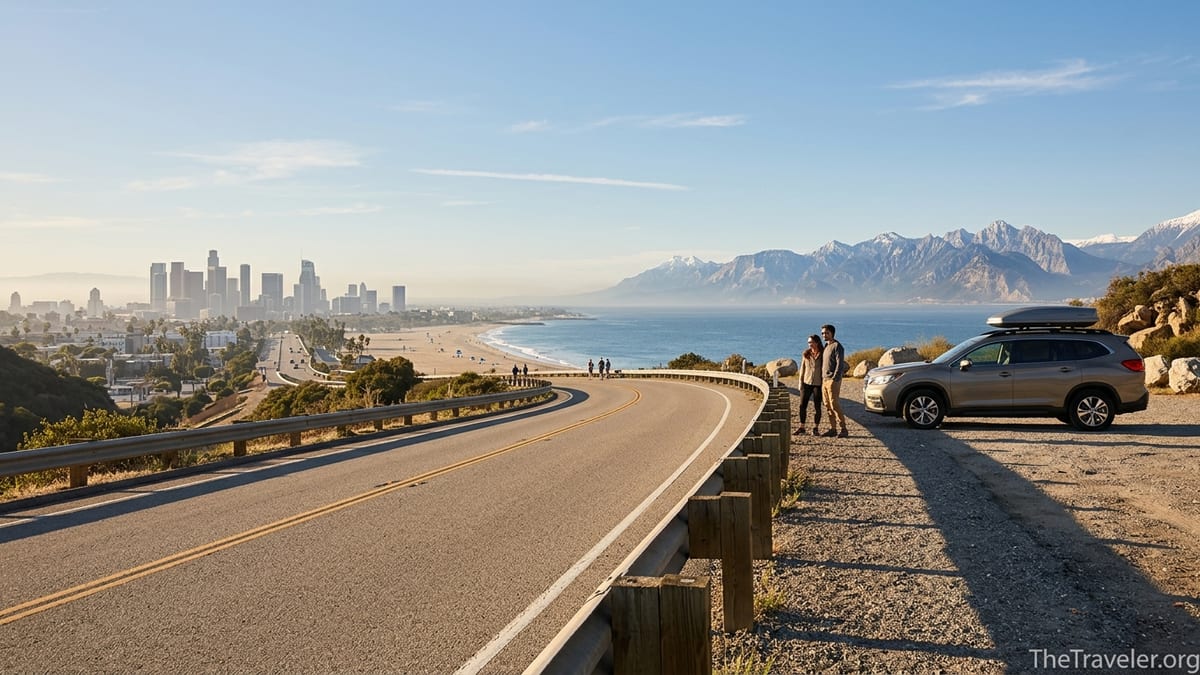
Choosing Your Travel Style: Beach, City, Mountain or Road
Before you book anything, start with how you want your days to feel, not with a specific destination. Do you picture slow mornings with coffee on a balcony overlooking the ocean, or do you want to walk out of a hotel lobby and be on a busy city block in seconds? Are you excited by hairpin mountain roads and trail maps, or does the idea of driving for hours between small towns sound like freedom? Being honest about your own travel style will quickly steer you toward the right type of U.S. escape.
As a rough guide, beach trips are ideal for travelers who prioritize downtime and simple pleasures like swimming, reading and casual dining. City breaks work best if you want museums, food, nightlife and walkable neighborhoods in a compact window such as a three- or four-day weekend. Mountain trips tend to suit active travelers or anyone who wants cooler air in summer and cozy cabins when the temperatures drop. Classic road trips are for people who enjoy the journey as much as the destination and do not mind unpacking their suitcase in a new place every few days.
Your budget and travel dates matter just as much as your style. A peak-summer week in a famous beach town such as Myrtle Beach or Clearwater will usually cost more for lodging than a shoulder-season stay in a smaller Gulf Coast community. A city like New York may deliver world-class experiences, but a long weekend there will feel very different on a tight budget compared to a mid-sized city such as Nashville or Denver, where hotel prices and restaurant tabs can be noticeably lower away from major events. Knowing how flexible you are on timing and price will help you match the right theme to a realistic plan.
Once you have chosen your style, you can start to plug in real places, travel times and rough costs. For example, if you decide on a beach trip within a day’s drive of Atlanta, you might compare gas for a five-hour drive to Florida’s Gulf Coast to a short flight and rental car for a long weekend in San Diego. Thinking in these concrete terms turns a vague idea like “I want to relax by the water” into an actual itinerary with dates, routes and a ballpark budget.
Beach Escapes: From Pacific Coves to Gulf Coast Sand
The U.S. has more beach variety than many travelers realize, and the “best” beach really depends on whether you want dramatic scenery, family amenities, nightlife, or value. In 2026, La Jolla Cove in California has been singled out in several traveler rankings as one of the top beaches in the country for its sheltered bay, sea caves and near-constant sea lion sightings. It is compact rather than sprawling, but the combination of easy snorkeling access, coastal hiking nearby and a village full of cafes and galleries a few blocks up the hill makes it ideal for couples or solo travelers who want a walkable base with plenty to do between swims.
On the opposite coast, the wide, sugar-soft sands of Clearwater Beach and nearby St. Pete Beach in Florida continue to appear on shortlists of America’s favorite beaches. Here, the experience is classic Gulf Coast: warm, usually calm water, a pedestrian-friendly beachfront with casual seafood shacks and ice cream stands, and family-oriented attractions such as sunset festivals with street performers. A typical mid-range hotel a block off the sand in June may run somewhere between 250 and 400 dollars per night, while a basic vacation rental apartment with a small kitchen often becomes cost-effective for families staying a week or more.
Travelers looking for more budget-conscious options can often do better on the Gulf Coast and parts of the Atlantic seaboard than in marquee Pacific beach cities. Gulf Shores and neighboring Orange Beach in Alabama, for example, frequently show up in discussions of good-value beach destinations because they combine long public beaches, condo-style accommodations with full kitchens, and plenty of free or low-cost entertainment like pier fishing and coastal state parks. In Texas, Isla Blanca Park on South Padre Island has drawn fresh attention for its broad South Texas beach and relatively modest entry and parking fees compared with private resort beaches.
If you are not tied to the mainland, Hawaii remains a top-tier choice for travelers willing to invest more in airfare in exchange for consistently beautiful beaches and a more tropical feel. A place like Poipu Beach on Kauai offers protected swimming areas suitable for children, the chance to see sea turtles at dusk, and resort complexes where you can walk from your room to the sand in minutes. Daily costs can climb quickly, but renting a condo with laundry and a kitchen, shopping at local supermarkets, and planning one or two paid excursions rather than several can keep a week on the islands within reach for many couples and families.
Urban Energy: U.S. Cities for Short Breaks and Long Weekends
If your ideal trip is more about great meals, museums and live music than lounge chairs, a city-focused getaway is the most efficient way to spend a long weekend. New York City regularly ranks as the top city to visit in the United States, and for good reason. In a single three-day trip you can walk the High Line, see a Broadway show, explore a major museum like the Metropolitan Museum of Art or the Museum of Modern Art, and eat your way through neighborhoods such as Koreatown, Chinatown or the East Village. A centrally located mid-range hotel in Manhattan can easily reach 350 to 500 dollars per night in peak seasons, but you can lower costs by staying in Queens or Brooklyn along a subway line, where nightly rates are often significantly lower while still keeping you within 30 to 40 minutes of major sights.
For travelers who want culture and food without New York’s intensity or prices, mid-sized cities have become especially popular in recent years. Nashville pairs live music on Lower Broadway with a strong restaurant scene that ranges from smoked barbecue to modern Southern tasting menus. Weekend visitors often plan daytime visits to places like the Country Music Hall of Fame and the National Museum of African American Music, then spend evenings venue-hopping among small bars with house bands. Hotel prices can spike during major events or bachelorette weekends, so checking a city events calendar before locking in dates is a smart way to avoid the steepest rates.
On the Atlantic coast, Charleston and Savannah offer walkable historic districts with cobblestone streets, antebellum architecture, and coastal cuisine that make them easy city break candidates. In Charleston, an ideal three-night stay might include a morning walking tour of the historic core, an afternoon at a nearby beach on Sullivan’s Island or Folly Beach, and dinner at a restaurant known for local oysters and Lowcountry dishes such as shrimp and grits. Average daily budgets can be surprisingly manageable if you mix one or two high-end dinners with more casual spots, skip rental cars in favor of rideshare apps, and book smaller inns or well-reviewed guesthouses just outside the absolute center.
Travelers who want a city break with easy access to nature can look to places like Denver, Portland or Seattle. In Denver, it is common for visitors to spend a Friday night at a downtown brewery or a Rockies baseball game, then rent a car on Saturday morning for a day trip into the foothills around Golden or up to Estes Park near Rocky Mountain National Park. Combining urban and outdoor days in one trip is often cheaper than booking two separate vacations and can be especially appealing for couples or groups who differ in how much time they want to spend in the wilderness.
Mountain Retreats: Cool Air, Big Views and Active Days
Mountain trips in the United States can feel almost like a different country compared to the coasts and cities, especially in summer when higher elevations offer cooler air and fewer crowds than beach towns. Great Smoky Mountains National Park on the Tennessee and North Carolina border remains the country’s most visited national park, partly because it is within a day’s drive of a large portion of the Eastern United States. Gateway towns such as Gatlinburg and Pigeon Forge combine family attractions, from small theme parks to outlet malls, with easy access to scenic drives and hiking trails. A typical day might include a morning hike to a viewpoint like Clingmans Dome, an afternoon picnic by a mountain stream, and evening mini-golf or a simple cabin dinner.
In the West, Colorado is one of the most flexible bases for mountain vacations. Towns such as Estes Park, Breckenridge and Glenwood Springs serve as launchpads for different types of travelers. Estes Park is the classic choice for visitors to Rocky Mountain National Park, where summer temperatures regularly stay in the 40 to 70 degree Fahrenheit range depending on altitude, making long-day hikes more comfortable than lowland heat. Breckenridge, better known for skiing, turns into a bike- and festival-friendly town in summer, with hiking, alpine slides and chairlift-served viewpoints. Glenwood Springs adds a different flavor with its hot springs pools and Glenwood Caverns Adventure Park, a mountaintop amusement park accessible by gondola that combines cave tours with rides and panoramic views.
Farther afield, the mountain landscapes of the Pacific Northwest and Alaska reward travelers who are willing to trade beach weather for cooler, sometimes unpredictable conditions. In Washington, a base in the town of Leavenworth or near Mount Rainier allows for days spent on wildflower-lined trails, followed by evenings at local breweries or in rental cabins. In Alaska, Anchorage sits between the waters of Cook Inlet and the Chugach Mountains, making it possible to drive from a downtown hotel to a trailhead with genuine backcountry feel in under an hour. Here, layered clothing, flexible day plans and an eye on the weather forecast matter as much as your camera.
For those who want alpine scenery without long, strenuous hikes, ski resorts that operate in summer are often overlooked but very practical. Many major resorts in Colorado, Utah and California run chairlifts for sightseeing, rent mountain bikes, and organize family activities such as disc golf, climbing walls and scenic gondola rides. A summer “adventure pass” at a resort such as Seven Springs in Pennsylvania typically grants access to multiple attractions for a flat per-day fee, which can be cheaper than assembling several separate excursions. Lodging prices also tend to be lower than in winter, making it possible to enjoy mountain views from a condo balcony or hotel hot tub without mid-season ski rates.
Classic & Emerging Road Trips Across the United States
If your ideal vacation involves a changing horizon through the windshield and the freedom to stop in small towns along the way, the United States may be at its best when experienced as a road trip. The most legendary example is still Route 66, the “Mother Road” that originally linked Chicago to Los Angeles. As the route turns 100 years old in 2026, interest in driving all or part of it has surged, with new planning guides and retro-inspired motels highlighting restored neon signs and vintage diners. Travelers often break the roughly 2,400 miles into two or three segments, such as Chicago to Oklahoma City, then Oklahoma City to New Mexico, keeping driving days to five or six hours with stops at roadside attractions and small museums that tell local stories.
Coastal road trips are equally compelling, especially in summer. On the Atlantic side, many travelers connect a string of East Coast beach towns into one itinerary, for example driving from Virginia Beach through the Outer Banks of North Carolina and down to Charleston or Savannah. This type of route pairs ferry crossings and lighthouse climbs with seafood shacks where a casual lunch might feature locally caught shrimp or blue crab. On the Pacific Coast, even a shorter stretch of California’s Highway 1 between San Luis Obispo and Monterey can feel like an epic journey thanks to Big Sur’s cliffside viewpoints, state park trailheads and small inns with ocean views.
In the interior, national park-focused drives are some of the most rewarding, especially for families or travelers interested in wildlife and geology. A classic circuit in the Rocky Mountain region might start in Denver, loop up through Rocky Mountain National Park, continue to Grand Teton and Yellowstone National Parks, and circle back through small Wyoming and Colorado towns. Summer 2026 is expected to be busy in many parks due to special events and the country’s 250th anniversary, so advance reservations for park passes, campgrounds and lodges are more important than ever. Travelers who prefer fewer crowds might instead choose lesser-known routes, such as a loop through South Dakota’s Badlands, Black Hills and the scenic Iron Mountain Road, combining national park scenery with quirky roadside sculptures and historic mining towns.
Budgeting for a road trip requires thinking beyond gasoline. While gas is a major line item, especially on long routes, lodging and food usually account for most of the cost. Some travelers keep expenses down by mixing motel nights with basic campsites, cooking simple meals on campground stoves or in vacation rentals, and treating restaurant dinners as occasional treats rather than daily habits. Others choose road trips precisely to stay in classic roadside properties, from neon-lit motor courts on Route 66 to boutique inns in refurbished downtown buildings. Either approach can work; the key is to estimate a daily budget per person and then adjust your route length accordingly.
How to Decide: Matching Real Destinations to Your Priorities
Once you know whether you are leaning toward a beach, city, mountain or road trip, it helps to compare concrete examples side by side. Imagine you have one week in July and a mid-range budget. If you choose a beach, you might compare a condo in Gulf Shores, where a two-bedroom rental with a pool could average 250 to 350 dollars per night, against a similar property near Myrtle Beach or on Florida’s Panhandle. To that, you would add estimated gas or airfare, a daily food budget that might range from 40 to 70 dollars per person depending on how often you cook, and a small allowance for activities such as kayak rentals or dolphin cruises.
If you pick a city trip instead, your week may naturally shrink to four or five nights because nightly costs are higher. For instance, a five-night stay in New York City at a 250 dollar per night Queens hotel, combined with a seven-day subway pass, museum entry fees and restaurant meals, could easily match or exceed a full week in a smaller coastal town. On the other hand, what you get in return is density: instead of spending time in transit between small towns, you trade that time for theater performances, galleries and meals you might remember for years.
For mountain trips, the tradeoff is often between convenience and immersion. Staying inside or very close to a national park, such as a lodge on the edge of Rocky Mountain National Park or a cabin just outside Great Smoky Mountains National Park, will raise lodging costs but cut daily driving and let you reach trailheads earlier. Choosing a base 30 to 60 minutes away, perhaps in a less touristy town, may lower nightly rates and put local grocery stores and diners at your doorstep, at the cost of extra car time. Road trips, finally, spread your budget across many places, which can be liberating if you enjoy variety but tiring if you prefer to unpack once and settle in.
A helpful planning exercise is to sketch three sample itineraries on paper, one for each main theme that appeals to you, and then price out rough costs for transport, lodging and daily expenses. Perhaps you will discover that a Pacific Northwest road trip with three nights in Seattle, three in small coastal or mountain towns, and a rental car is not much more expensive than a single-city stay, yet gives you oceans, forests and urban energy in one journey. Or you may find that what you really want this year is not to move around at all, but to choose one excellent beach or mountain town and stay put.
The Takeaway
There is no single best place to go in the United States, but there is almost certainly a best match for the kind of trip you want to have this year. If you crave sunshine and simple days, a beach destination such as La Jolla, Clearwater or Gulf Shores might be right. If you want culture and nightlife, consider building a long weekend around cities like New York, Nashville, Charleston or Denver. If cooler air and big views sound appealing, look closely at mountain gateways to the Smokies, Rockies or Cascades. And if you find yourself daydreaming about the open road, 2026 is an especially fitting year to map out a route, whether that means following the centennial Mother Road or stitching together your own string of small towns.
Start by choosing your style, then pick one or two real-world examples that fit your budget and timing. From there, let practical questions guide you: how many driving hours per day are you comfortable with, what is your daily spending limit, and how much energy do you want to invest in planning? With those answers in mind, the vast menu of U.S. destinations becomes manageable, and you can spend less time scrolling through options and more time counting down to an actual trip that feels like it was designed just for you.
FAQ
Q1. How far in advance should I book U.S. beach trips for summer?
For popular beaches such as Clearwater, Myrtle Beach or Gulf Shores, booking lodging three to six months ahead is wise, especially for July and early August. Vacation rentals and oceanfront hotels often sell out first, while properties a few blocks inland sometimes remain available closer to arrival.
Q2. Are big cities like New York or Seattle realistic on a modest budget?
Yes, if you are flexible. You can reduce costs by visiting in shoulder seasons such as late April or October, staying in neighborhoods outside the absolute center, using public transit instead of taxis, and prioritizing free or low-cost attractions such as parks, public viewpoints and pay-what-you-wish museum hours.
Q3. What is a good daily budget for a U.S. road trip?
Budgets vary widely, but many travelers aim for a ballpark figure of 100 to 200 dollars per person per day, including gas, lodging and food. You can stay near the lower end by choosing simple motels or campsites, cooking some meals, and limiting paid activities, or spend more for boutique hotels and frequent restaurant dining.
Q4. Do I need a rental car for mountain trips?
In most U.S. mountain destinations, a car is either essential or highly useful. National park shuttles exist in places like Zion or parts of the Grand Canyon, but reaching trailheads, grocery stores and lodging usually requires driving. If you prefer not to drive, look for organized tours based out of larger gateway cities, although they limit flexibility.
Q5. How can I avoid crowds at popular beaches and national parks?
Consider traveling in shoulder seasons such as May, early June or September, when water and air temperatures can still be pleasant but family vacation demand is lower. Within a given day, arriving at beaches or trailheads early in the morning or later in the afternoon helps, as does choosing weekdays over weekends when possible.
Q6. Is it better to base in one place or move around on a road trip?
It depends on your energy level and interests. Staying in one hub and taking day trips minimizes packing and unpacking, which many families appreciate. Moving every one to three nights lets you cover more ground and see different landscapes but can be tiring. A hybrid approach, with longer stays in two or three key bases, often works well.
Q7. What kind of insurance should I consider for a U.S. driving trip?
At minimum, confirm that your car or rental includes adequate liability and collision coverage and that you understand deductibles. Many travelers also consider trip interruption insurance in case of illness, severe weather or other disruptions, especially for longer itineraries involving nonrefundable lodges or park permits.
Q8. Are U.S. mountain and beach towns family-friendly?
Most are, particularly in summer. Beach communities often have playgrounds, casual restaurants and simple activities such as mini-golf or bike rentals. Mountain towns typically offer beginner-friendly trails, ranger-led programs in nearby parks, and in some cases small amusement areas with alpine slides or gondola rides suited to children.
Q9. How do I choose between the East Coast and West Coast for a first U.S. beach trip?
Think about flight time, water temperature and atmosphere. East Coast and Gulf beaches usually have warmer, calmer water in summer and a traditional boardwalk feel in some towns. West Coast beaches offer dramatic cliffs and cooler water, with a stronger emphasis on surfing and coastal hiking rather than long warm swims.
Q10. What is the safest way to plan a first solo trip in the United States?
For solo travelers, well-traveled destinations with good public transit and walkable areas, such as New York, Boston, San Diego or Denver, are often a comfortable starting point. Choose centrally located, well-reviewed lodging, share your itinerary with a friend or family member, and favor busy, well-lit areas at night while trusting your instincts about when to take a taxi or rideshare instead of walking.