


Chasing the northern lights above the Arctic Circle is no longer a fringe adventure. From Norway’s fjords and Finland’s glass igloos to Canada’s polar bear country, there are now dozens of ways to combine aurora hunting with wildlife encounters and uniquely Arctic experiences. Planning it well, however, still demands an understanding of seasons, locations, costs and safety in one of the world’s harshest environments. This guide walks you through where to go, when to travel and what to book so your Arctic Circle journey is magical, memorable and responsible.
Get the latest updates straight to your inbox!
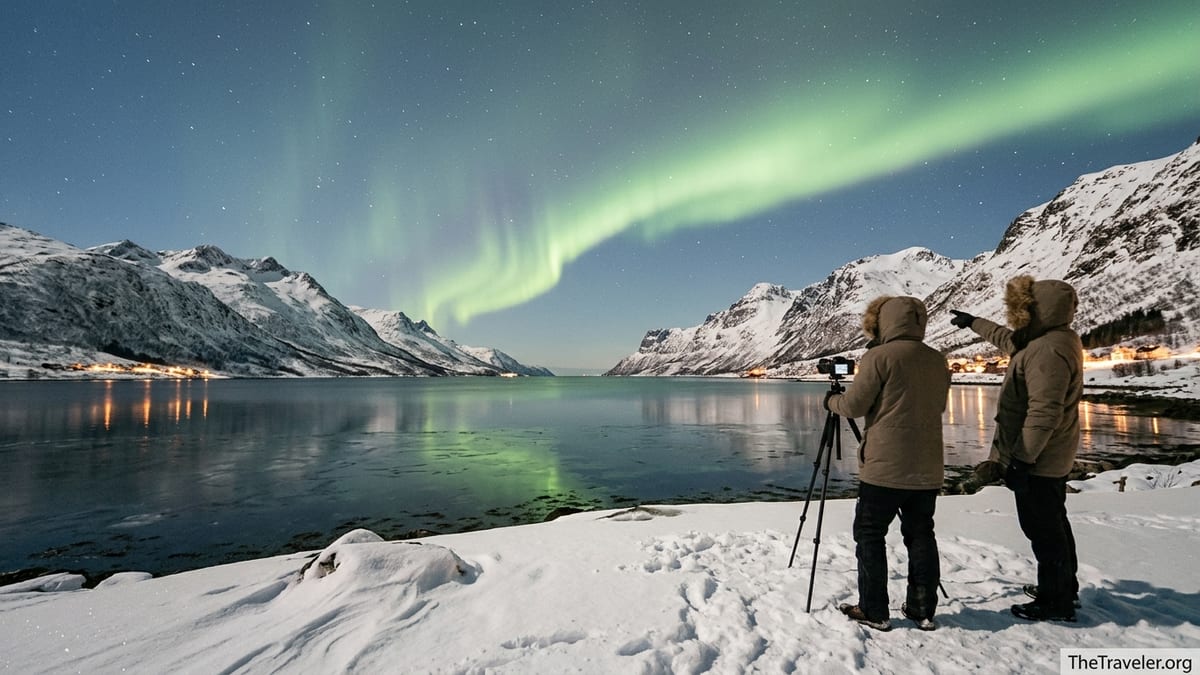
Understanding the Arctic Circle and Northern Lights
The Arctic Circle is an imaginary line sitting at roughly 66.5 degrees north latitude, crossing northern Norway, Sweden, Finland, Iceland’s offshore islands, Greenland, northern Canada and Alaska. Aurora hotspots like Tromsø in Norway, Rovaniemi and Inari in Finnish Lapland, Abisko in Sweden, Churchill in Canada and coastal Greenland all lie near or above this line, which is why they see such frequent northern lights activity.
The aurora itself is driven by solar activity, which follows an 11-year cycle. We are currently in a period of high activity running through 2025 and 2026, which tends to produce more frequent and more intense displays across the auroral oval. That said, travelers should never treat the lights as guaranteed. Even in famously clear-sky areas such as Abisko in Sweden or Inari in Finnish Lapland, clouds can roll in for several nights in a row, and local guides will honestly stress that you should come for the full Arctic experience rather than a single sky event.
Darkness is just as important as geography. In much of the Arctic Circle, the practical northern lights season runs from roughly late August through late March or early April, with the deepest winter months of December, January and February offering the longest nights. In coastal places like Tromsø, where maritime weather brings more cloud, operators often recommend planning four or five nights in town to give yourself multiple chances for clear skies. Inland destinations such as Finnish Lapland or interior Swedish Lapland can get away with slightly shorter visits, as they tend to enjoy more stable, dry weather.
Timing also shapes the kind of trip you have. Visit Tromsø or Alta in November and you might pair your aurora chase with whale watching and fjord cruises. Head to Churchill, Manitoba in February and March and the focus is more on dog sledding, snowshoeing and star-bright skies. In September and early October, parts of northern Norway and Finland combine vivid autumn colors with milder temperatures and the chance of reflections of the aurora in unfrozen lakes, which photographers particularly love.
Choosing Your Arctic Circle Base: Norway, Finland, Sweden or Canada
For most first-time visitors, the Arctic Circle question is really “which base should I use?” Northern Norway is one of the easiest gateways. Tromsø, often nicknamed the “Paris of the North,” has frequent winter flights from Oslo and other European hubs, a compact, walkable center and a huge ecosystem of tour companies offering aurora chases, Sami reindeer experiences, fjord cruises and dog sledding. Typical small-group northern lights chases in Tromsø cost in the region of 1,800 to 2,400 Norwegian kroner per person, sometimes including thermal suits, hot drinks and photographs from your guide.
Finnish Lapland is the go-to choice for travelers who want cozy, cabin-based stays or nights in glass igloos. Rovaniemi, on the Arctic Circle itself, serves as a major transport hub with direct winter flights from cities like London, Paris and Berlin and onward buses or trains north to Levi, Saariselkä, Ivalo and Inari. Around Rovaniemi you can book aurora tours from roughly 100 euros, or splurge on a multi-day package that bundles husky safaris, reindeer visits and a night in a glass-roofed suite at resorts such as Kakslauttanen Arctic Resort or glass igloo villages near Levi.
Swedish Lapland offers a slightly quieter alternative. Abisko has a strong reputation among aurora photographers thanks to its microclimate and relatively low precipitation; many visitors fly to Kiruna and then transfer by train or bus. Packages sold through Scandinavian specialists often combine several nights in Abisko with a stay in Kiruna’s famous Icehotel and daytime activities like snowshoeing and Sami cultural visits. For those who prefer smaller crowds while still having tour options, Abisko and nearby Björkliden can be more appealing than bigger Nordic hubs.
Across the Atlantic, Canada’s Churchill and northern territories deliver a very different Arctic feel. Churchill, on the shores of Hudson Bay in Manitoba, doubles as a northern lights destination in winter and a world-famous polar bear hub in October and November. Small-group aurora tours and multi-day packages here emphasize remoteness and wilderness lodges, with all-inclusive stays at eco-lodges near the bay typically priced in the thousands of Canadian dollars for several nights including flights from Winnipeg, meals, guided wildlife excursions and evening aurora watching. For a more independent option, travelers sometimes base themselves in Yellowknife in the Northwest Territories, using local operators to reach dark-sky viewpoints outside town.
Best Seasons and Sample Itineraries for Aurora and Wildlife
The best season for your Arctic Circle trip depends on what you want alongside the aurora. If your dream combines northern lights with whale watching, northern Norway in late October and November can be ideal. From Tromsø, for instance, you might spend day one exploring the city and visiting the Arctic Cathedral, then take a fjord cruise or orca and humpback whale safari on day two. Days three and four could be dedicated to guided aurora chases, either by minibus that can drive inland to clearer skies or on quieter small-boat trips into the fjords, wrapped in thermal suits while the captain kills the engine to let you watch the sky in near silence.
For those who are more drawn to reindeer, huskies and snowy forests, mid-winter in Finnish or Swedish Lapland is hard to beat. A seven-night Lapland itinerary might start in Rovaniemi with a visit to local museums and a short aurora tour, then continue north to Saariselkä or Ivalo for two or three nights of dog sledding and snowmobiling through the fells. Many travelers pair this with a night in a glass igloo near Levi or Kittilä, timing check-in to coincide with an aurora forecast that looks promising. Another night or two in Inari, known for its strong Sami cultural presence, can round out the trip with visits to reindeer farms and guided snowshoe walks under the stars.
Travelers who care most about wildlife often choose shoulder seasons. Churchill’s polar bear season in October and early November sees bears gathering near the coast as they wait for the Hudson Bay to freeze, and some evenings here also deliver impressive aurora displays. A typical package might run six or seven days, starting with a night in Winnipeg and then a flight north to Churchill, followed by a mix of tundra vehicle outings, on-foot walking safaris near remote lodges and optional helicopter flights over the ice. For Arctic foxes and seabirds, summer in places like Svalbard, Greenland or Arctic Canada is more rewarding, but the midnight sun at that time of year means you will not see aurora.
If you want decent chances of lights with less severe cold, consider September or early October itineraries in northern Norway or Finland. Lakes are often still unfrozen, forest colors are at their brightest and daytime temperatures can sit just above freezing rather than plunging to minus 20 or below. Many Tromsø operators, for example, start their aurora seasons in late August, combining early snow on the surrounding peaks with boat-based wildlife cruises where you might spot sea eagles, porpoises and occasional dolphins while you cruise the fjords.
Signature Arctic Experiences: From Glass Igloos to Dog Sleds
Beyond the aurora, what makes an Arctic Circle trip feel truly special are the experiences you choose. In Finnish Lapland, one of the most distinctive is a night in a glass igloo or glass-roofed cabin. Resorts near Rovaniemi, Levi and Ivalo offer domed or A-frame structures with heated glass ceilings and remote locations away from city lights. Guests can typically expect private saunas, thick duvets, optional in-room dinners and sometimes an aurora alarm that gently wakes you if activity is detected. These stays command a premium: a winter night for two can easily exceed several hundred euros, especially at well-known properties.
Dog sledding is another iconic Arctic activity that also supports local mushers and working dog traditions. In Tromsø and Alta in Norway, as well as Saariselkä and Inari in Finland, half-day husky safaris usually include transfers from your hotel, thermal overalls, a safety briefing and the chance to drive your own small team while a guide accompanies the group. Prices can range from roughly 180 to 250 euros per person for a two- to three-hour experience. For those wary of speed or with mobility concerns, many operators also run gentler scenic rides where you sit in the sled as a guide drives.
Reindeer experiences, often run by Sami families, offer a more cultural lens on Arctic life. Near Tromsø, Rovaniemi and Kautokeino in Norway, for example, you can book small-group reindeer sledding and feeding visits that end around a campfire inside a traditional lavvu tent, with storytelling and joik singing. These experiences typically emphasize responsible animal treatment and may be shorter and calmer than husky rides, making them a good fit for families with younger children.
On the coastal fringes of the Arctic Circle, marine life adds another layer. Northern Norwegian operators based in Tromsø and nearby ports run winter whale watching trips that search for herring-feeding orcas and humpback whales, often between November and early January. Some use hybrid or electric boats to reduce engine noise and emissions and limit the number of vessels near the animals. On these day-long excursions, travelers are issued thermal suits and boots, served a simple onboard lunch and briefed carefully on staying outside safely in freezing winds while scanning the water for blows and dorsal fins.
Budgeting, Booking and Practical Logistics
Traveling inside the Arctic Circle can be far more expensive than a typical city break, so it pays to sketch out a realistic budget during planning. Airfares from major European hubs to Tromsø or Rovaniemi in winter can fluctuate significantly, but booking several months ahead often secures return tickets in the low hundreds of euros rather than higher last-minute fares. Internal flights within Norway or Finland, such as Helsinki to Ivalo or Oslo to Alta, add to the total but can usually be found at competitive prices when booked early.
Accommodation is the other major cost. In Tromsø, mid-range hotels and guesthouses in winter regularly range from about 1,200 to 2,000 Norwegian kroner per night for a standard double room, with smaller guesthouses and apartments sometimes cheaper if you book well in advance. In Finnish Lapland, cabins with kitchenettes in places like Saariselkä or Levi can be cost-effective for families or groups, as you can self-cater rather than eating out every night. High-end options, such as all-inclusive glass igloo packages or remote eco-lodges near Churchill in Canada, can quickly climb to several thousand in local currency for a multi-night stay with meals and excursions included.
Activity costs add up quickly. A typical small-group northern lights chase in Norway or Finland might cost the equivalent of 150 to 220 US dollars per person per night, especially if it includes professional photography and hot meals around a campfire. Husky tours, snowmobile safaris and reindeer visits commonly sit in a similar bracket. Multi-day packages advertised by specialist tour companies sometimes work out slightly cheaper per activity, especially if they bundle airport transfers, some meals and outerwear rental. When comparing, look carefully at what is included: some cheaper aurora tours may not provide thermal gear, which can be a notable added hire cost in Lapland.
Logistically, winter Arctic travel requires extra margin for delays. Snowstorms can disrupt flights into Tromsø or northern Finland, and strong winds may cancel fjord cruises and whale safaris. When planning, avoid tight connections, and give yourself at least a full day buffer at the start of any fixed-date expedition such as a Churchill polar bear tour or a multi-day cruise in northern Norway. Many travelers also build flexibility into their schedule by leaving one or two evenings free, which local guides can then fill with an aurora chase if the forecast looks strong.
Safety, Clothing and Responsible Wildlife Encounters
The Arctic can be unforgiving. Temperatures in mid-winter in Lapland regularly dip below minus 20 degrees Celsius, and wind chill on an open boat in northern Norway can make conditions feel far colder than the air temperature suggests. Dressing correctly is therefore not optional. Most locals recommend starting with a moisture-wicking base layer, adding a thick insulating mid-layer such as fleece or wool and finishing with a windproof, insulated outer shell. On your feet, insulated winter boots with room for thick wool socks, plus chemical toe warmers for longer outings, make a huge difference to comfort.
Good operators in Tromsø, Rovaniemi, Abisko and Churchill typically provide heavy insulated suits, boots and mittens for activities like dog sledding, snowmobiling, tundra safaris and boat tours. Before booking, check whether this gear is included in the price or available to rent. If you plan any independent aurora hunting by rental car, ensure you are comfortable with winter driving, request a vehicle with proper winter tires and keep a small emergency kit in the trunk with blankets, a headlamp, snacks and a power bank. Many visitors who are not used to icy roads prefer guided tours precisely because they avoid these risks.
Wildlife experiences in the Arctic demand extra care. Polar bears are powerful apex predators and can be dangerous if approached; in places like Churchill and Svalbard, strict regulations govern how close people and vehicles can get. Reputable operators use experienced naturalist guides, maintain safe distances and brief guests thoroughly on behavior in bear country. The same is true for marine life: responsible whale watching companies limit time spent near feeding pods, keep engine noise low and follow codes of conduct designed to minimize stress on animals.
Supporting local communities and environments is another aspect of traveling responsibly. Choosing tours that are clearly Sami owned in northern Scandinavia, Inuit owned in Greenland or Indigenous led in Canadian Arctic communities helps ensure money stays in the region. Eco-lodges in Churchill, northern Norway and Finnish Lapland increasingly incorporate renewable energy, low-waste kitchens and small-group sizes into their operations. When comparing companies, look for transparent environmental policies and small-group caps rather than simply the lowest headline price.
Photography, Expectations and Beating Northern Lights Disappointment
Capturing the northern lights is as much about preparation as luck. Modern smartphone cameras have improved considerably, and many now include dedicated night modes that can record aurora with minimal effort. For those serious about photography, a mirrorless or DSLR camera with manual controls, a fast wide-angle lens and a sturdy tripod is ideal. Settings often begin around a wide aperture, high ISO and exposure times of several seconds, then adjusted based on how bright or fast-moving the aurora is on the night.
Many aurora tour operators in Tromsø, Abisko and Finnish Lapland include photography support as part of the experience. Guides will help you with camera settings, and in some cases they take photographs of each guest or couple and share the files afterward at no extra cost or for a modest fee. While this can be reassuring, especially for beginners, it is worth bringing spare batteries and memory cards, as cold drains power quickly. Keeping batteries in an inner pocket close to your body can help maintain their charge in sub-zero conditions.
Managing expectations is just as important as managing camera settings. Social media frequently showcases intense curtains of green and purple light arcing over snow-covered cabins, but in reality the aurora often appears as a subtle band of pale green or gray to the naked eye, particularly at the start of an outburst. Cameras, with their longer exposures, exaggerate the color and brightness. By understanding this before you travel, you are less likely to feel disappointed by a display that looks softer in person than it does on screen.
To avoid a trip defined by whether you “got the shot,” build in other highlights that do not rely on solar activity. Book time with huskies, schedule a reindeer farm visit with a Sami guide, plan a daytime snowshoe to a frozen waterfall or ride a cable car above Tromsø’s fjords. If the lights come, they become the crown on an already rich Arctic journey rather than the sole measure of its success. Many repeat visitors will tell you their most vivid memories are as much about the crunch of snow underfoot, the silence of the tundra and the warmth of a firelit lavvu as about the aurora itself.
The Takeaway
Visiting the Arctic Circle for northern lights, wildlife and one-of-a-kind experiences is more accessible than ever, but it still rewards careful planning. Choosing a base such as Tromsø, Rovaniemi, Abisko or Churchill, aligning your travel dates with both darkness and your preferred wildlife encounters, and budgeting realistically for flights, lodging and guided tours all play a role in shaping a successful trip. So does packing the right gear, selecting responsible local operators and keeping your expectations flexible when it comes to the aurora itself.
Done well, an Arctic journey delivers far more than a single spectacle in the sky. Watching faint green arcs strengthen into rippling curtains, hearing the panting of huskies as you glide through a snow-covered forest, sharing stories with Sami or Indigenous guides and knowing that your spending supports communities living at the edge of the map can make this one of the most meaningful journeys you ever take. Approach it with patience, respect and a willingness to embrace whatever weather and wildlife you encounter, and the Arctic Circle will reward you, lights or no lights.
FAQ
Q1. When is the best time of year to visit the Arctic Circle for northern lights?
The most reliable months are generally from late September to late March, when nights are longest and skies are dark enough. In many northern Norway and Lapland locations, February and early March provide a strong balance of long nights, more stable weather and ample snow-based activities.
Q2. Which Arctic Circle destination is best for a first northern lights trip?
For a first visit, many travelers choose Tromsø in Norway or Rovaniemi and nearby resorts in Finnish Lapland. These hubs offer frequent winter flights, a wide range of tours in English, and good infrastructure, while still providing quick access to dark-sky areas for aurora viewing.
Q3. How many nights should I plan to increase my chances of seeing the aurora?
Staying at least three or four nights in an Arctic Circle destination significantly improves your odds, as you have multiple chances to catch a clear sky and solar activity. In cloudier coastal areas such as northern Norway, many guides recommend four or five nights if your schedule allows.
Q4. Do I need to rent a car, or can I rely on guided tours?
You can comfortably rely on guided tours in major hubs like Tromsø, Rovaniemi and Abisko, where operators run nightly aurora chases and daytime activities with hotel pick-ups. Renting a car provides more freedom but also means dealing with icy roads, snowstorms and navigation in darkness, which some visitors prefer to leave to local drivers.
Q5. How cold does it actually get during winter trips inside the Arctic Circle?
Temperatures vary by location and month, but mid-winter readings of minus 15 to minus 25 degrees Celsius are common in inland Lapland, and wind chills on exposed coasts can make it feel even colder. Proper layering, insulated boots and good gloves or mittens are essential for enjoying long nights outside.
Q6. Are glass igloos worth the extra cost?
Glass igloos and glass-roofed cabins are a memorable splurge rather than a necessity. They can offer a wonderfully cozy way to watch the sky from bed if the aurora appears, but the higher price often makes sense as part of a special occasion trip. Many travelers combine one night in a glass igloo with more conventional, lower-cost lodging for the rest of their stay.
Q7. Can I see wildlife like polar bears and whales on the same trip as the northern lights?
In some regions you can. Northern Norway in late autumn can combine aurora hunting with orca and humpback whale watching, while Churchill in Canada in October and November mixes polar bear viewing with occasional northern lights. However, timing the exact overlap between wildlife seasons and strong aurora conditions requires flexibility and sometimes a bit of luck.
Q8. How much should I budget for activities on a one-week Arctic Circle trip?
For a week in a place like Tromsø or Finnish Lapland, many visitors set aside several hundred to over a thousand US dollars per person for activities alone, depending on how many guided tours they book. A couple of aurora chases, one husky tour, one reindeer or snowmobile outing and perhaps a fjord cruise or sauna experience can quickly add up.
Q9. Is it safe to travel in the Arctic Circle in winter as a solo traveler?
Yes, key northern lights hubs like Tromsø, Rovaniemi and Abisko are generally considered safe for solo travelers, including solo women, especially when joining group tours. As always, basic precautions apply: share your plans, avoid alcohol-fueled risk-taking in extreme cold and book with reputable operators that provide proper gear and clear safety briefings.
Q10. What should I pack that people often forget for an Arctic northern lights trip?
Commonly overlooked items include hand and toe warmers, a balaclava or buff for face protection, spare camera batteries, a headlamp with a red-light mode and a waterproof stuff sack for keeping extra layers dry. Many travelers are glad they also brought moisturizing cream and lip balm, as the combination of cold air and indoor heating can be surprisingly drying.